
Last updated September 20, 2026
Level 1 sweep and inspection to the NFPA 211 annual standard - flue, crown, cap, and flashing checked and photographed
Chimney sweep logs do not sweep chimneys. They loosen some creosote - which then falls where a brush and vacuum still have to collect it.
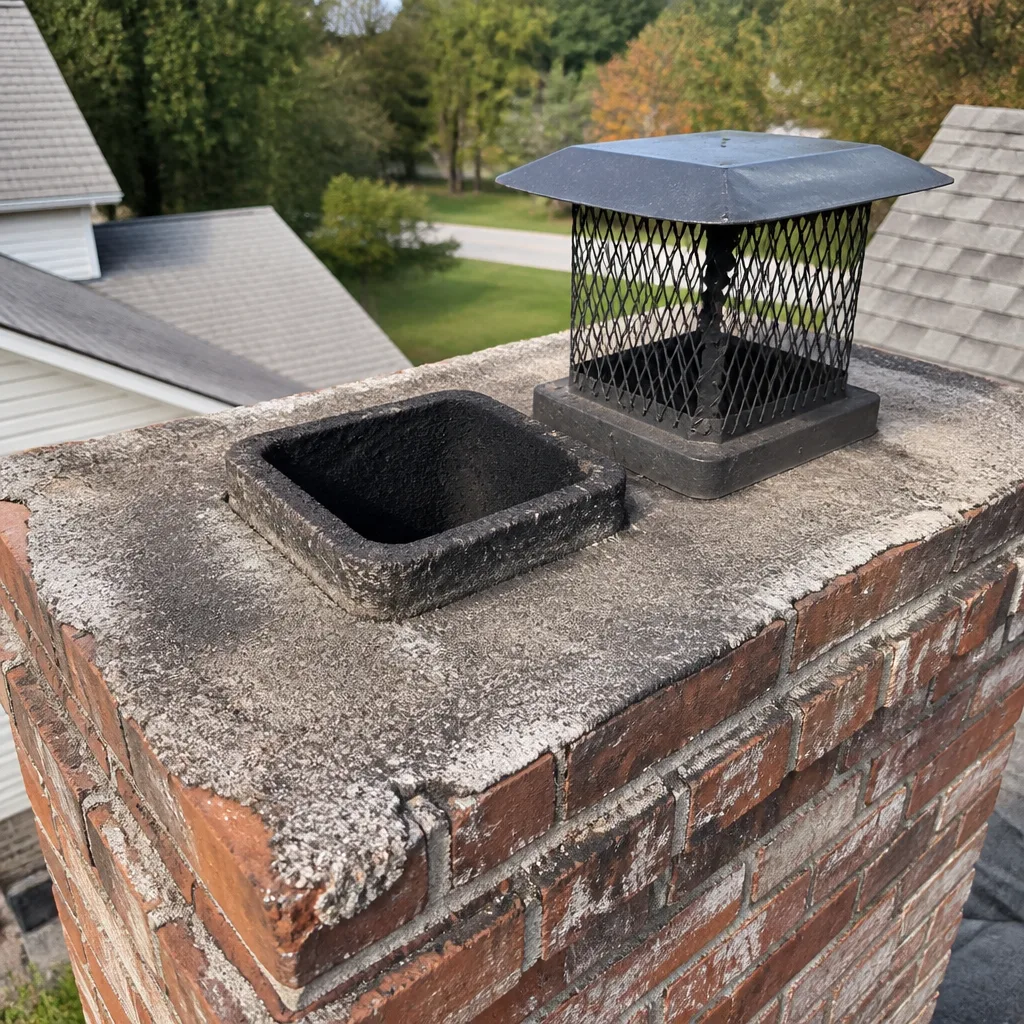
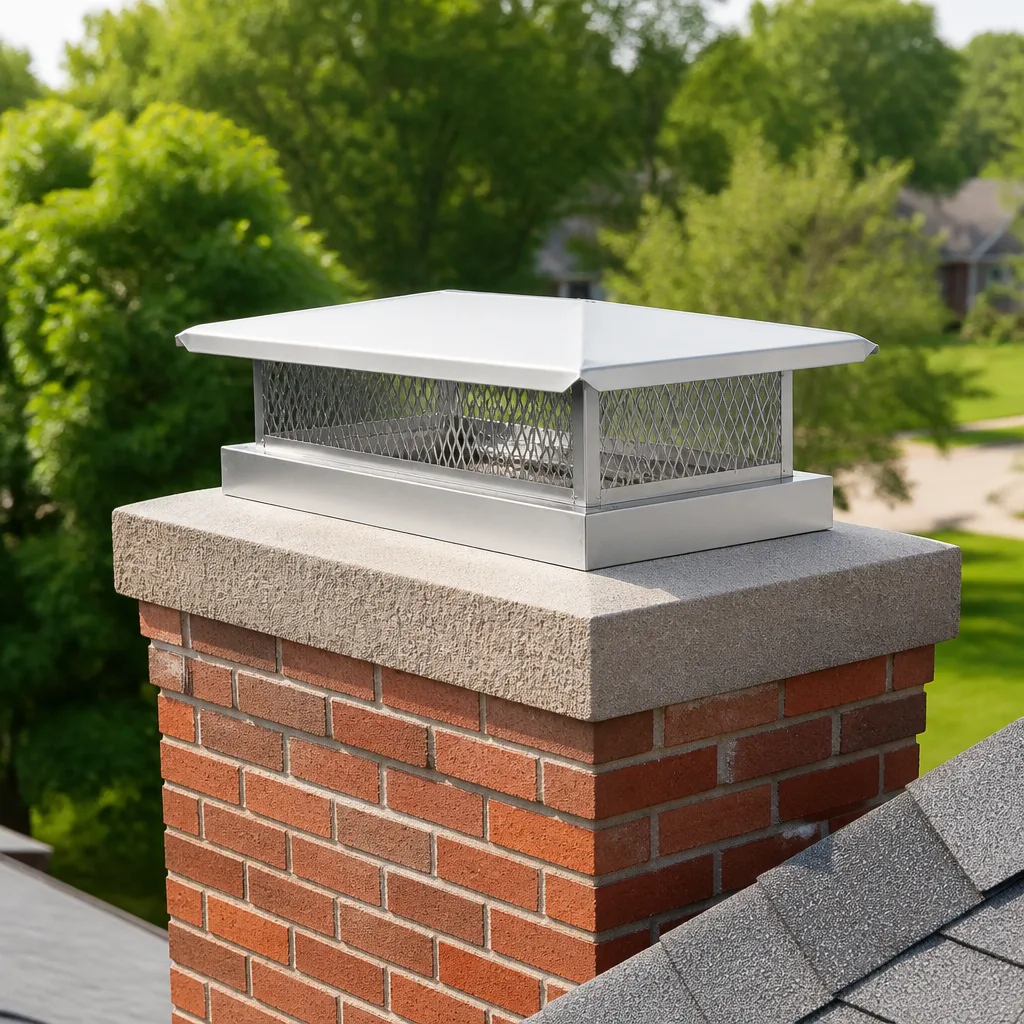
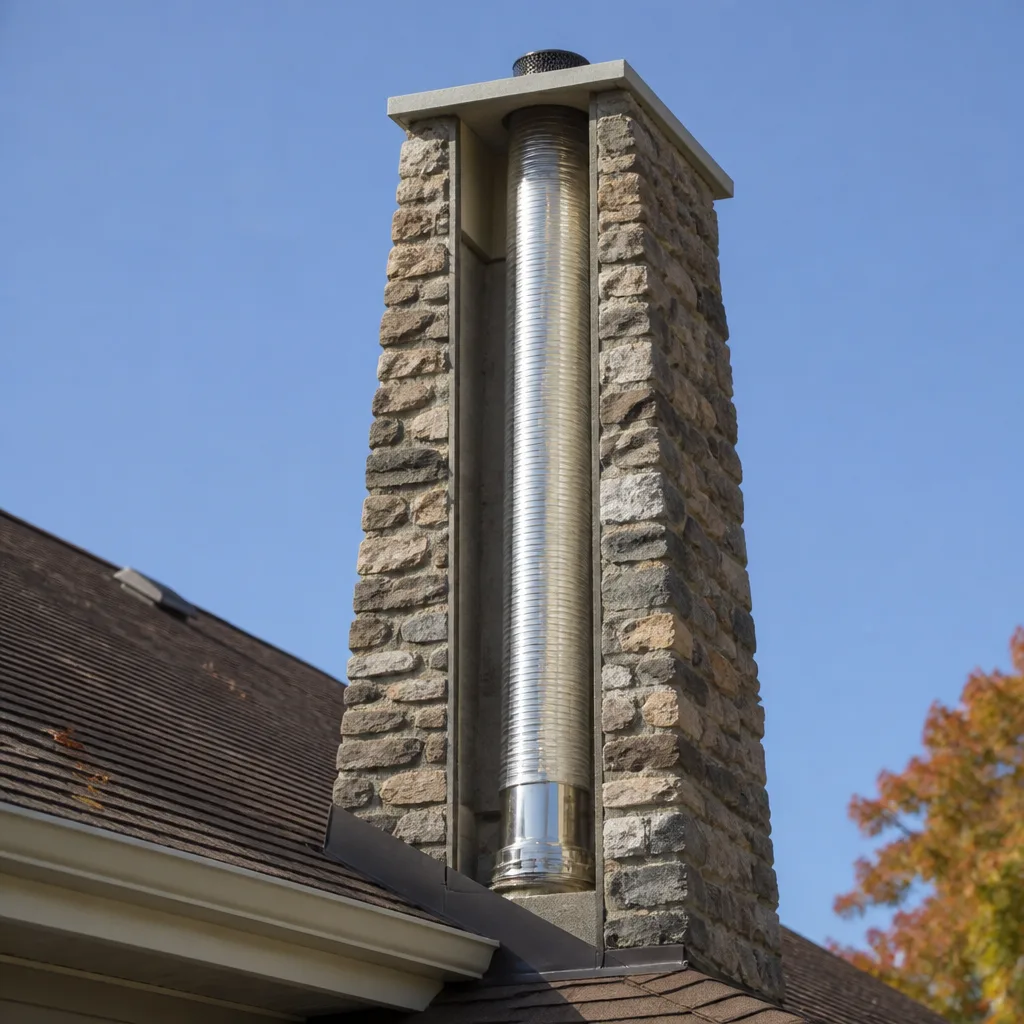
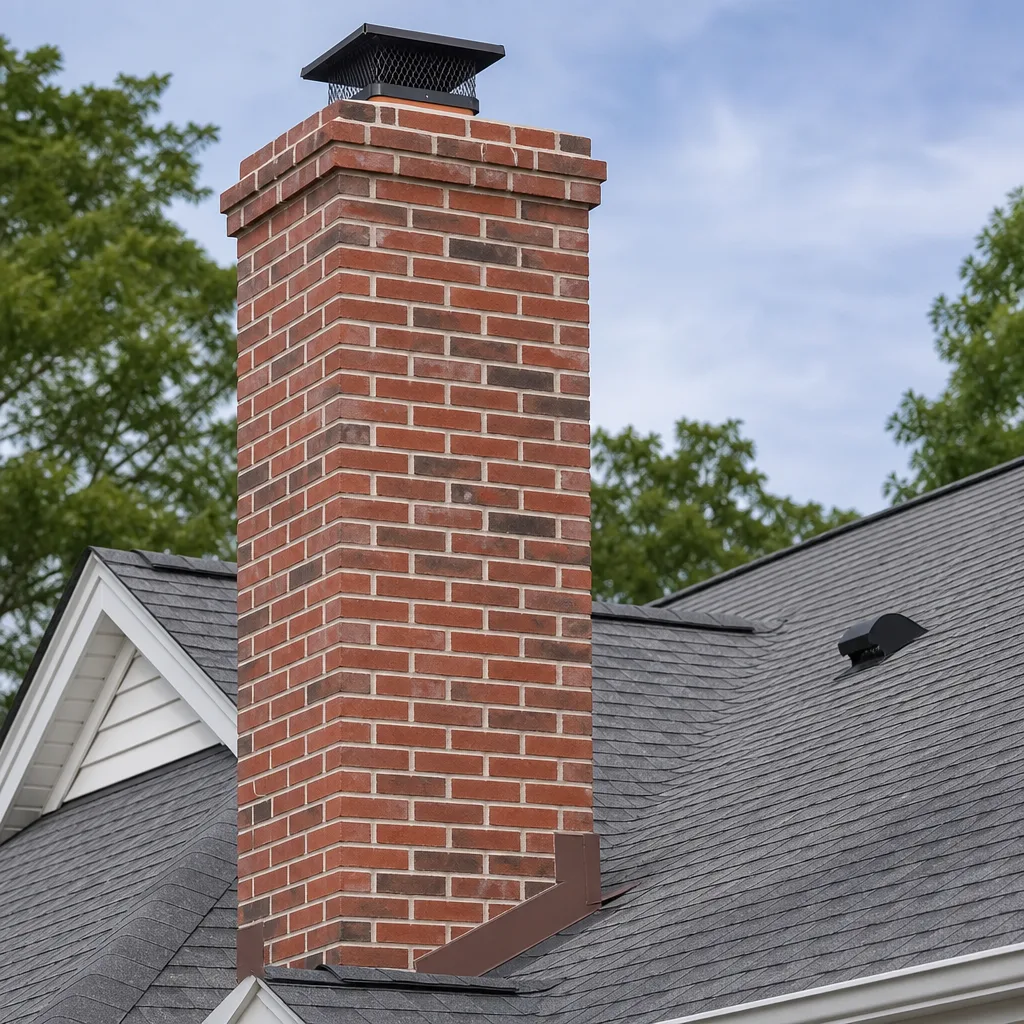
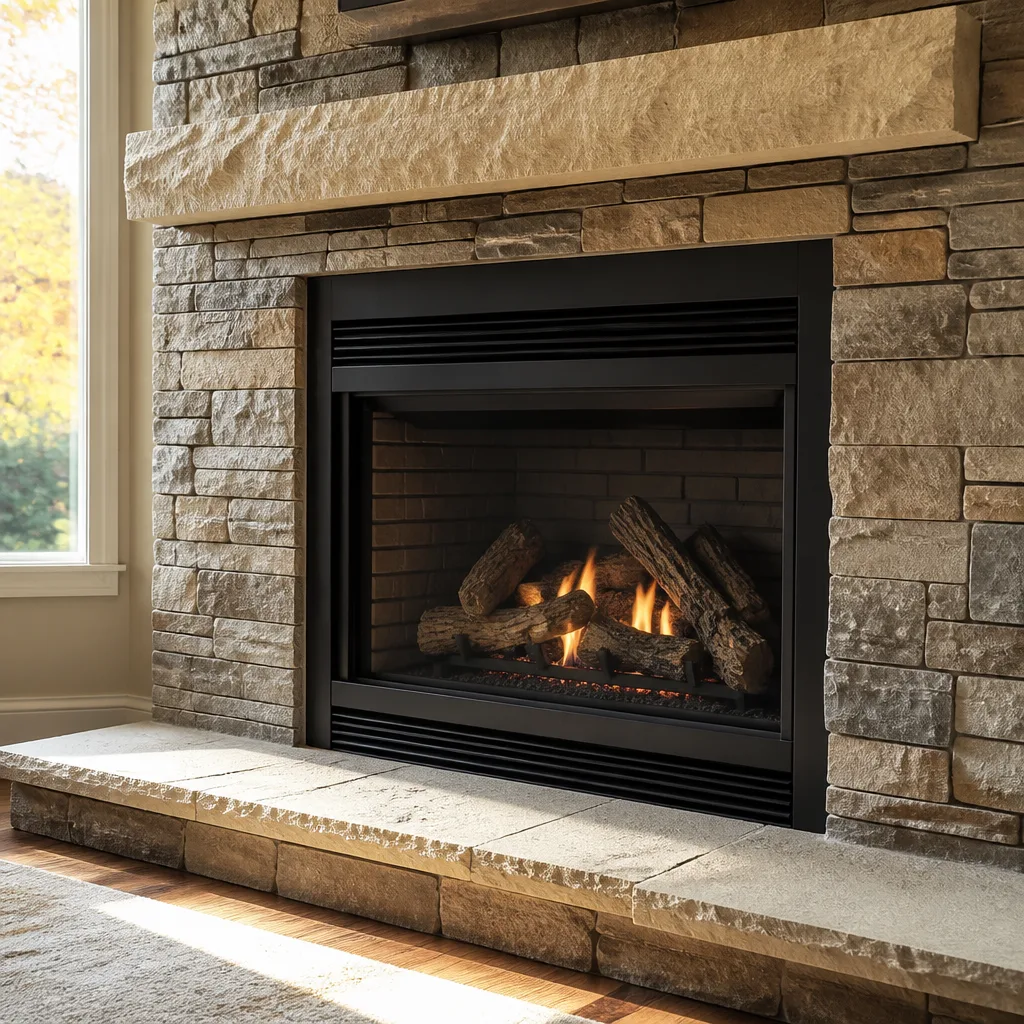
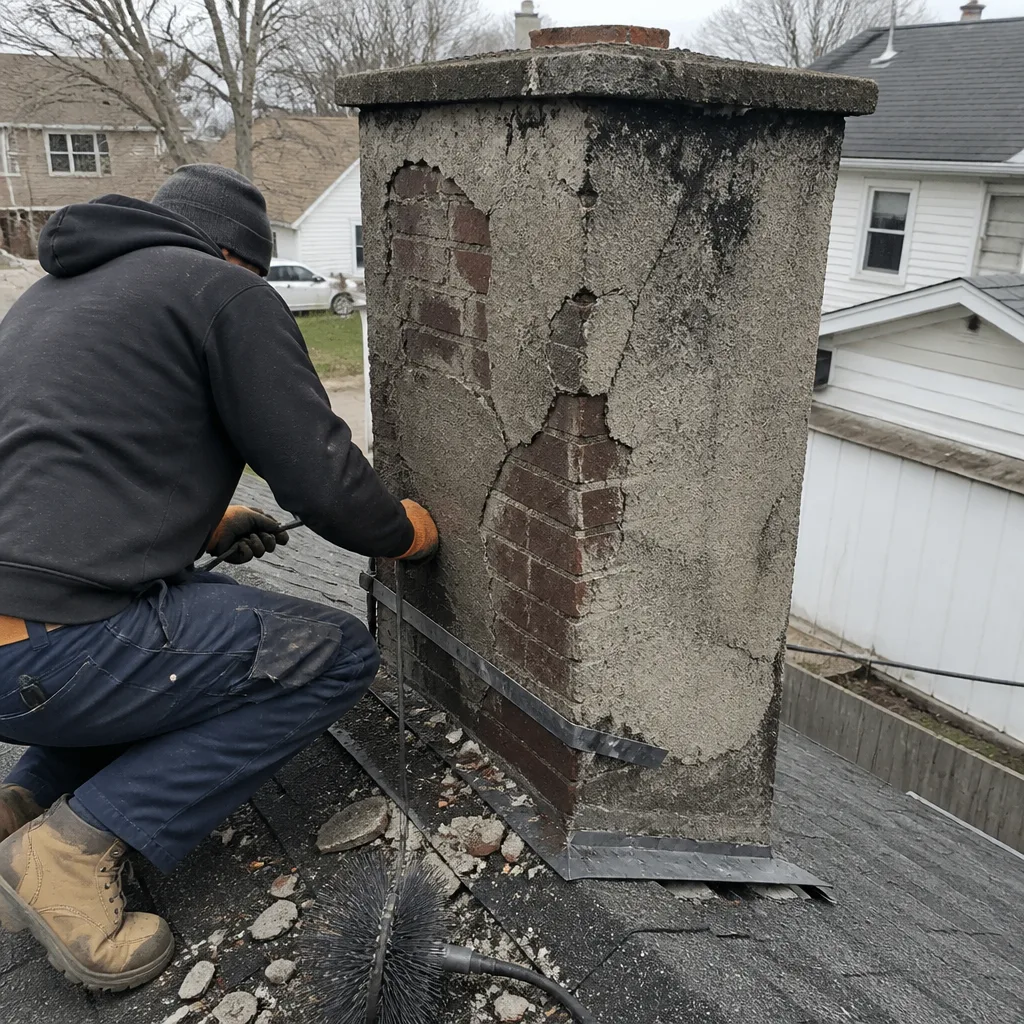 Before
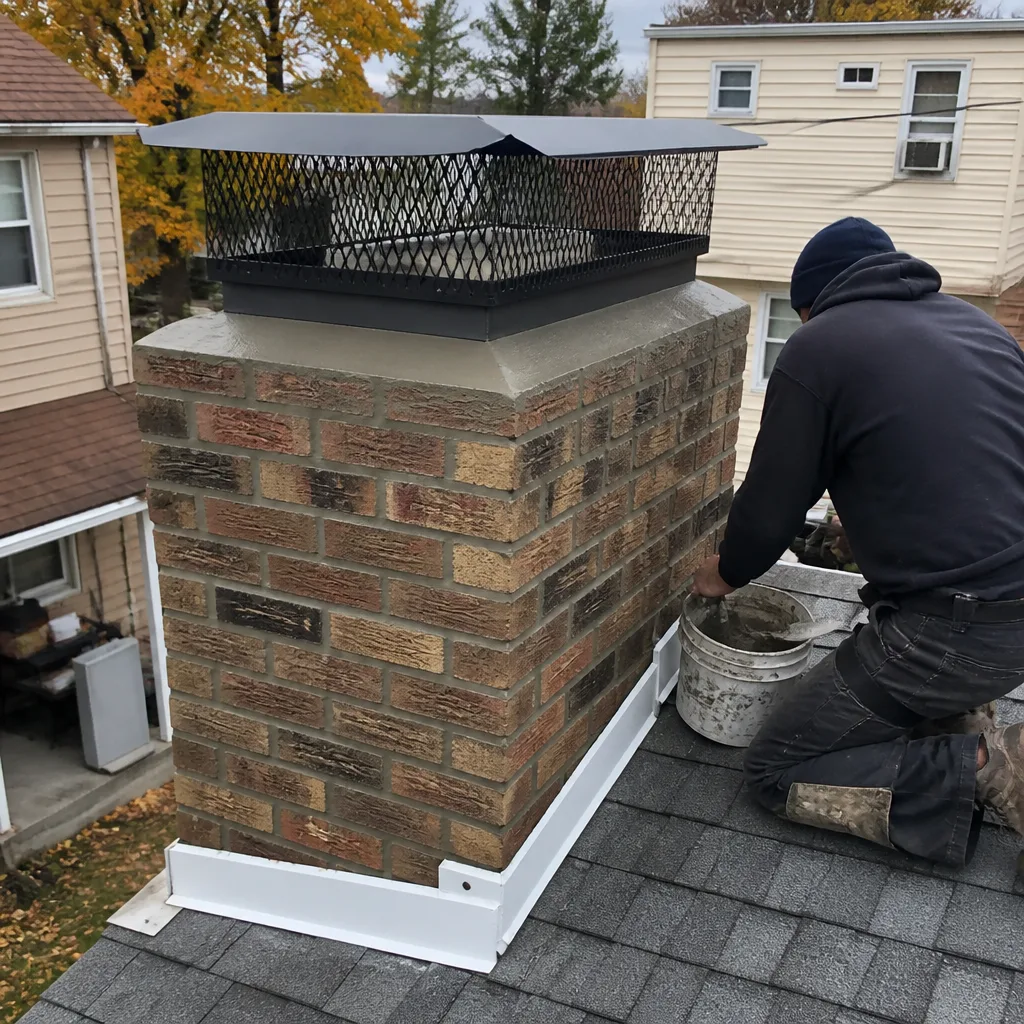 After
After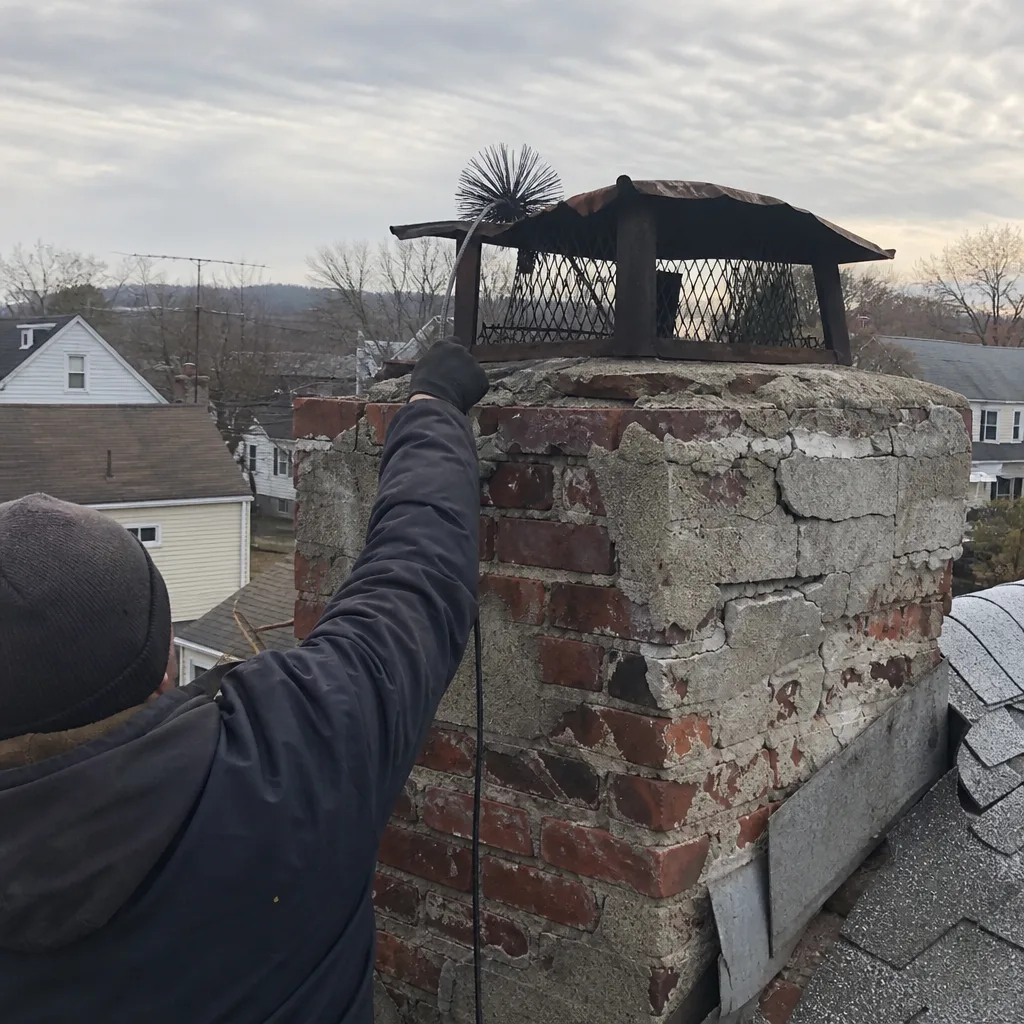 Before
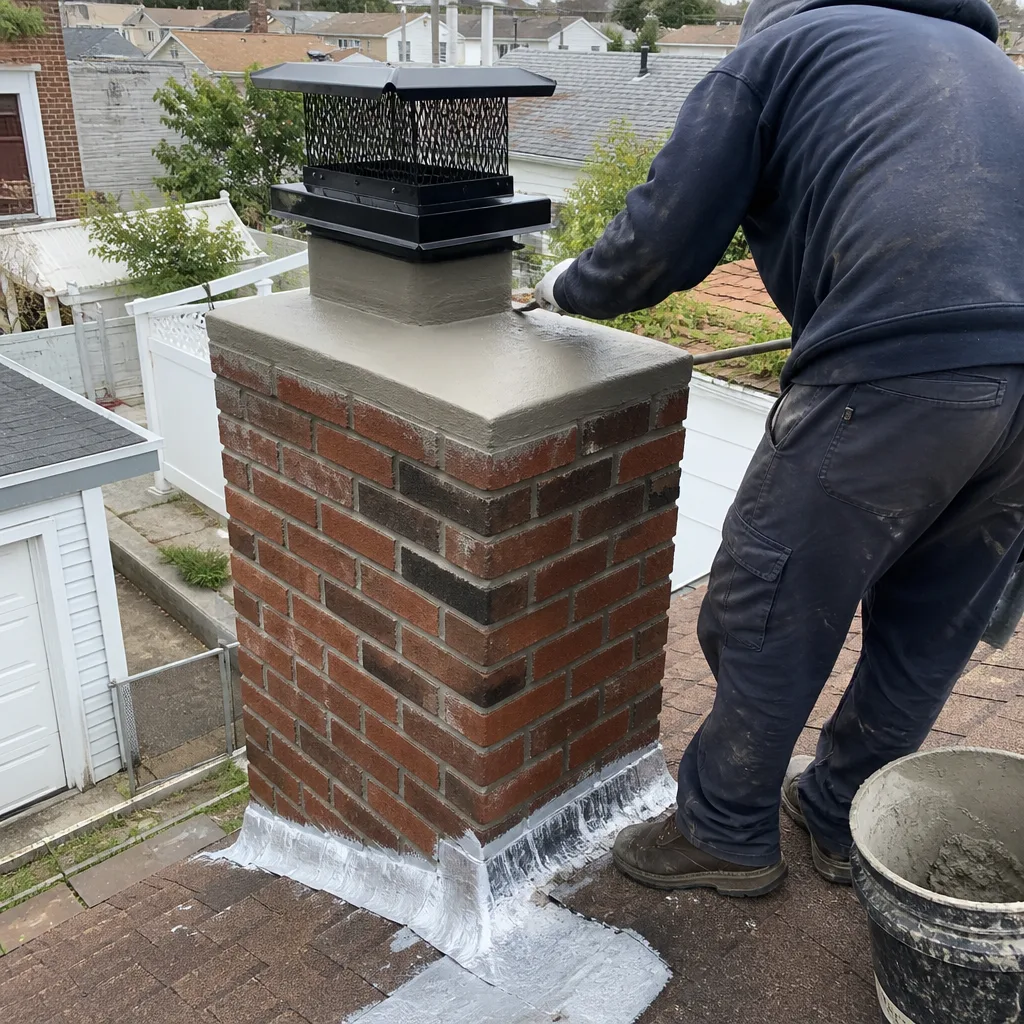 After
After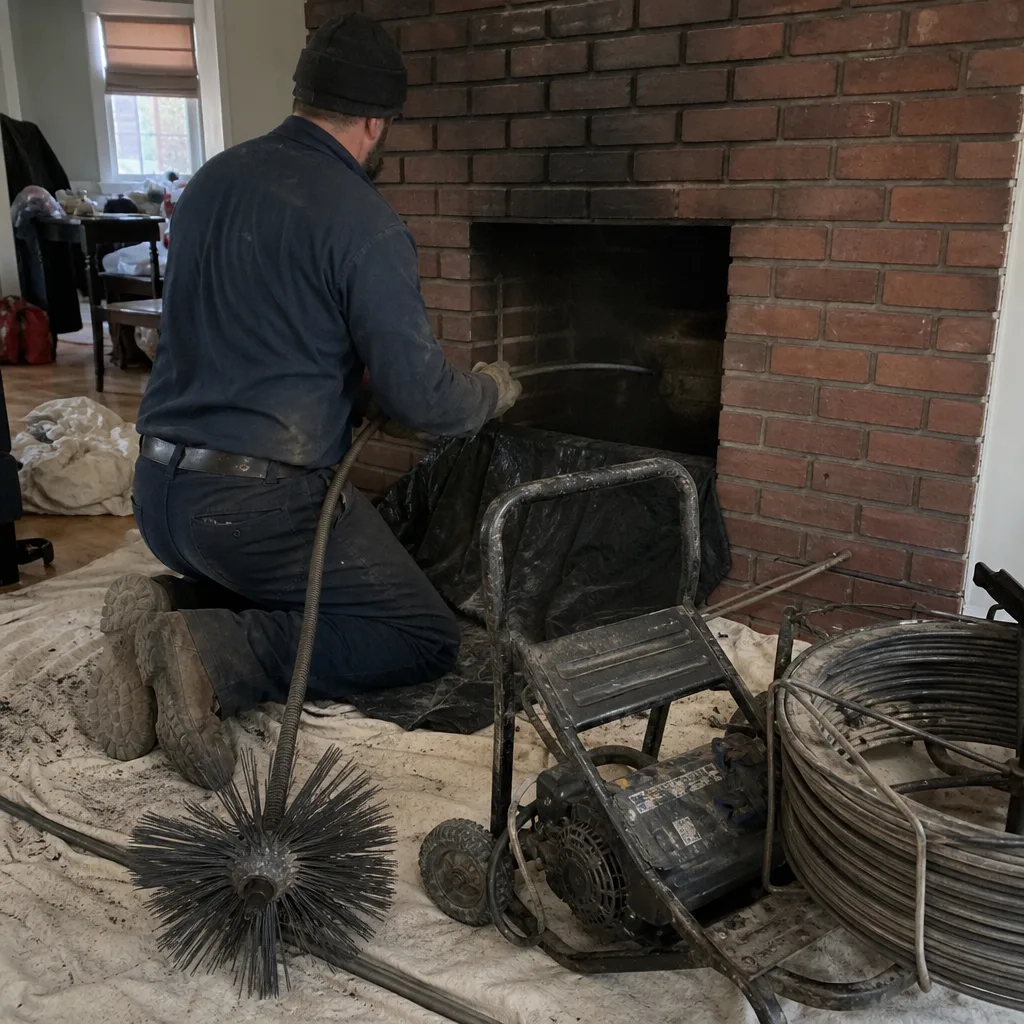 Before
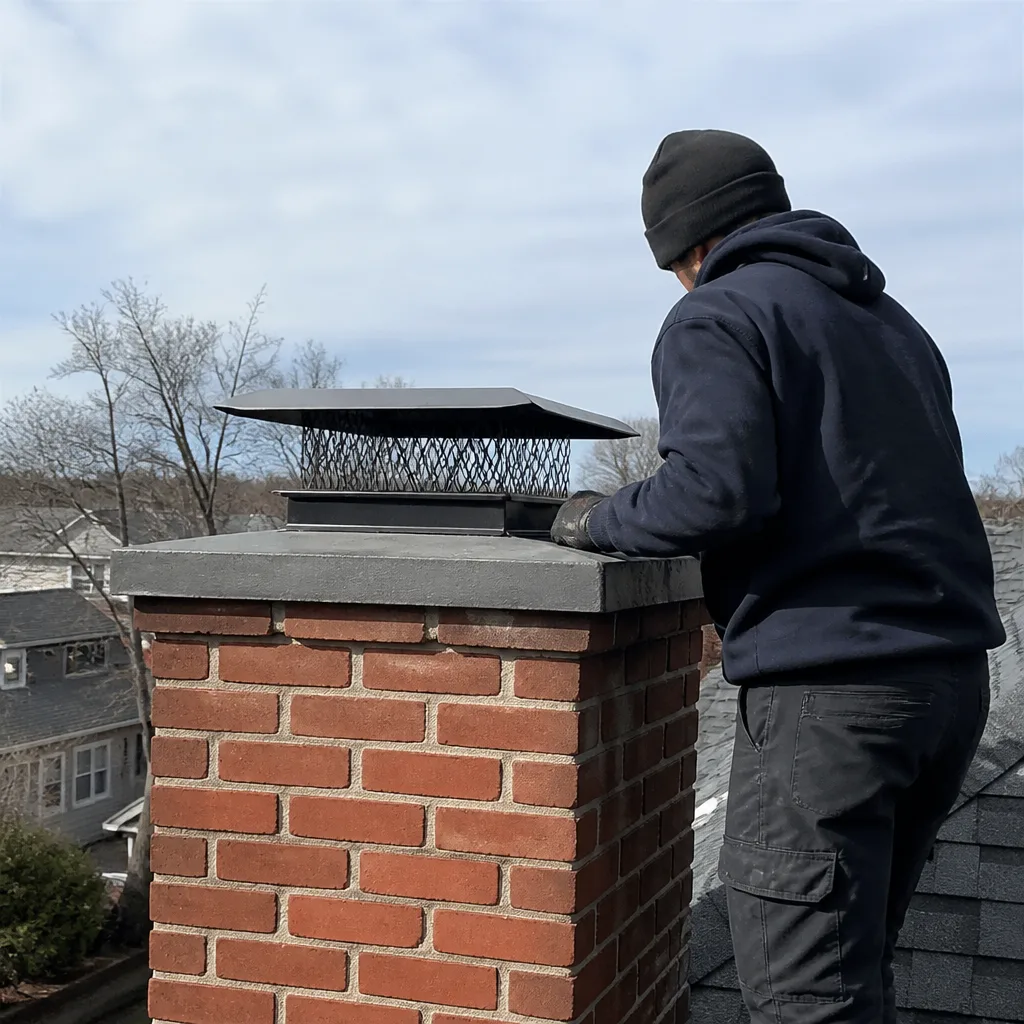 After
AfterSeasonal Chimney Cleaning Care for Paterson: Year-Round Homeowner’s Guide
The creosote that ignites in December was deposited in November. But the moisture that cracks your flue liner happened in March, during the freeze-thaw cycle Paterson averages 28 times per winter. Most homeowners have it backwards. They call for a sweep in October when the first cold snap hits, and they spend the next six months not thinking about the chimney at all. That calendar is exactly why the same repairs show up year after year: the damage was done in early spring, sat undetected through summer, and hardened into a real problem by fall. This guide restructures the maintenance year around when damage actually occurs in Paterson, so you’re not just cleaning on schedule, you’re finding problems before they become expensive ones. For more, see our Chimney Cleaning & Sweep Maintenance Checklist for Paterson Homeowners.
Quick Answer
The right time for a Paterson chimney inspection is March or April, when heating season ends and freeze-thaw damage is most visible and cheapest to fix. A chimney sweep in September removes summer debris and creosote before burning season, but it cannot reverse liner cracks, crown spalling, or cap displacement that started in spring. Year-round care means one post-season inspection, one pre-season sweep, and a few monthly observations in between. If you only pay attention in fall, you’re walking into winter with six-month-old damage.
Table of Contents
- Why Fall-Only Cleaning Works Backwards in Paterson
- The Spring Window: March and April Are Your Real Maintenance Season
- Freeze-Thaw Damage in Paterson: The 28-Cycle Problem
- Summer Risks: Moisture, Nests, and Neglect
- Pre-Season Sweep: September and October, and What It Can’t Do
- The Mid-Winter Use Check: What to Observe After the First Five Fires
- Month-by-Month Paterson Chimney Care Reference
- Common Mistakes to Avoid
- When to Call a Professional
- Frequently Asked Questions
BeforeAfterWhy Fall-Only Cleaning Works Backwards in Paterson
Paterson’s climate punishes chimneys on a schedule that doesn’t line up with homeowner intuition. The Passaic River valley runs humid, with winter temperatures that hover near freezing far more often than they stay well below it. That hovering is the problem. A chimney that goes through repeated freeze-thaw cycles absorbs water into every porous surface, then freezes, expands, and cracks it from the inside. The damage happens in late winter and early spring, not in fall. If your first and only chimney contact of the year is an October sweep, you’ve given March damage eight months to spread before anyone looks at it.
We’ve seen this pattern thousands of times across Paterson. A homeowner in Eastside Park calls in October for a sweep. The sweep goes fine. Then in January, a small amount of water shows up in the firebox. We camera-scan the flue and find a liner crack that’s been there since the previous March. The October sweep couldn’t catch it because nobody looked. A March inspection would have caught it when the repair was a simple patch instead of a liner replacement. If you only act in fall, you’re always reacting. The chimney gives you a spring warning every year. Most people miss it.
There’s a cost layer too. Chimney repair pricing in Paterson follows the same seasonal curve as every other home service: demand spikes in September and stays high through January. Contractors are busiest, material lead times are longest, and scheduling is thinnest. The same liner repair quoted in April is often 10 to 15 percent lower than in October, simply because you’re competing with fewer emergency jobs. Waiting until fall to discover a problem means paying peak-season pricing to fix it. Finding it in spring means fixing it on your schedule, with better access to both the contractor and the refunds that matter.
The Spring Window: March and April Are Your Real Maintenance Season
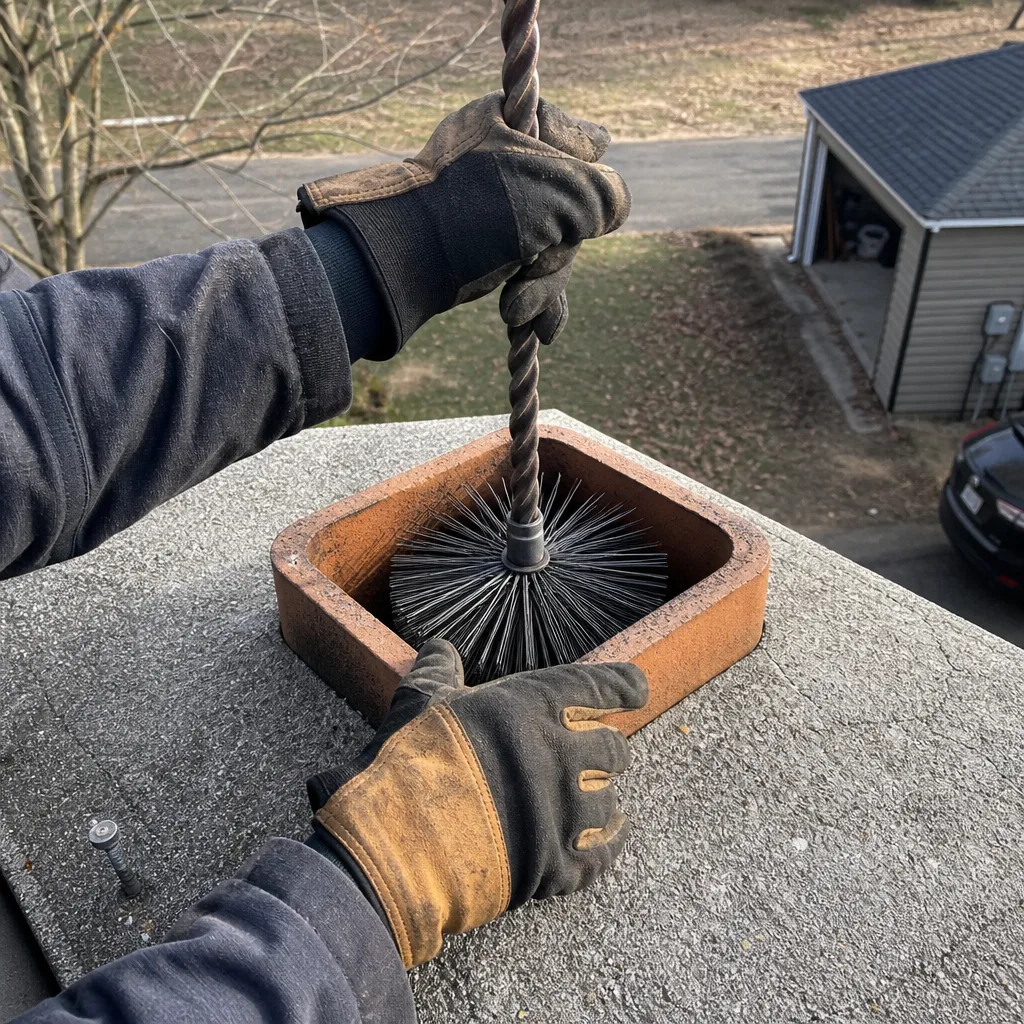
The single most valuable chimney service in Paterson is the one almost nobody schedules: a post-heating-season inspection in March or April. This is when the information is best. Here’s why a spring inspection reads differently than a fall one.
After five months of burning, the inside of your flue carries a complete record of how the season went. Creosote accumulation tells us how the wood burned. Glazing patterns tell us where the fire ran hottest. Discoloration tells us if there was a partial blockage. All of that is visible in spring. By October, some of it has oxidized, some has been moved by humidity, and some has been covered by summer nesting material. The evidence degrades over summer. If you want to know what your chimney actually did last winter, ask it in spring.
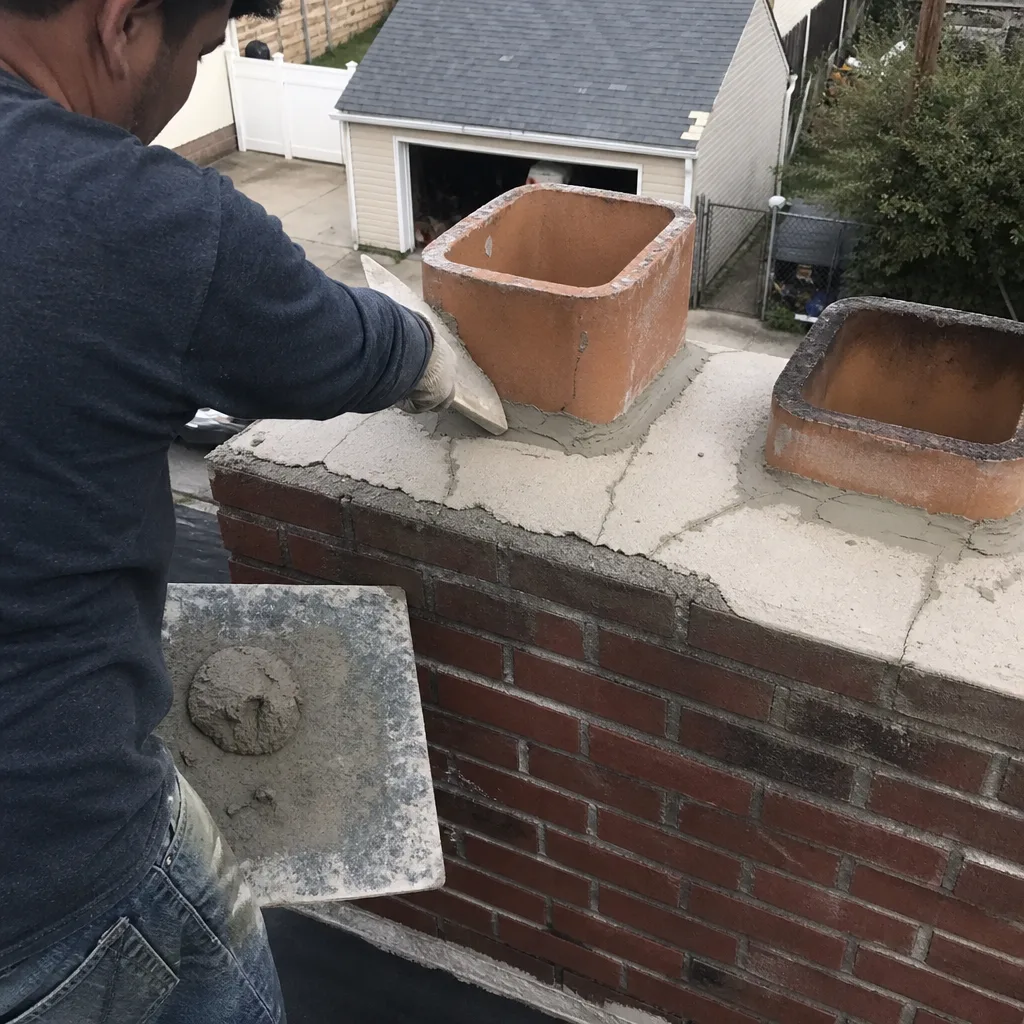
Externally, March is when freeze-thaw damage finishes announcing itself. Cracks that opened in January have propagated by March. Efflorescence, the white mineral deposits that show water moving through masonry, is at its most visible after the snow melts and before spring rain washes it away. Cap displacement from ice and wind shows up as a subtle shift you can see from the ground. Crown spalling, where the concrete slab on top of the chimney starts flaking off, is easiest to quantify before summer greenery hides it. A spring inspection catches all of this at its freshest and cheapest. If you wait until fall, you’re finding it after a full season of rainfall has worked its way into every crack.
Here’s what a March or April inspection should include in Paterson:
- Camera scan of the flue liner to check for cracks, separation, and creosote classification. This is an NFPA 211 Level 2 inspection, the standard that matters for any chimney that’s been in service longer than a year. We’ve done this as the default on every job since 2009.
- Crown and cap assessment from the roof, not from the ground. Cracks smaller than a quarter-inch don’t show from below but move water all summer.
- Masonry surface check for spalling, efflorescence, and mortar joint erosion, especially on the north side of the chimney where Paterson’s prevailing winter wind drives moisture.
- Smoke chamber and damper inspection to catch creosote buildup and damper warp before summer humidity makes them worse.
We recommend this inspection even if you had a sweep in October. The two services answer different questions. A fall sweep makes the chimney safe to burn for the season. A spring inspection tells you what the season did to the chimney. Both matter. Neither replaces the other.
Freeze-Thaw Damage in Paterson: The 28-Cycle Problem
Paterson averages 28 freeze-thaw cycles per winter. That number matters more than total snowfall or lowest temperature. Each cycle is a small hammer. Water enters a hairline crack, freezes, expands by about 9 percent, and wedges the crack wider. Then it thaws, more water gets in, and the next freeze wedges it further. Over 28 cycles, a crack that started as a cosmetic line can become structural. Over three or four winters, it can turn a chimney crown into gravel and a flue liner into a series of connected fractures.
The reason Paterson gets hit hard is the temperature pattern. Places with consistently cold winters have far fewer freeze-thaw cycles because the water stays frozen. Places with mild winters don’t freeze at all. Paterson sits in the worst zone: daytime highs above freezing, nighttime lows below, over and over, from late November through March. That’s the ideal machine for masonry destruction.
The materials that suffer most are the ones homeowners can’t easily see. A clay tile flue liner, the standard in older Paterson homes, is brittle. Once a crack starts, it propagates quickly under thermal stress. A cracked liner is not just a water problem; it’s a fire problem. The liner exists to keep combustion gases inside the flue and to protect surrounding framing from heat. A crack in the liner creates a path for sparks and high-temperature gases to reach wood framing. In Chimney Repair in Paterson, we regularly find liner cracks in March that weren’t visible in October and were not present the previous spring. The damage is seasonal. It happens on a schedule you can plan around.
Chimney crowns take a different beating. A crown is the concrete slab that caps the masonry, and it’s the first line of defense against water intrusion. Concrete is porous. It absorbs rain, and when that rain freezes, the surface spalls, flaking off in small pieces. By March, a crown that was installed five years ago can show significant surface loss. The fix is a proper sealant or a crown rebuild, and it’s dramatically cheaper in April than in December. For Paterson homeowners, the crown is the most overlooked component on the entire house because it sits up high, out of sight, doing a job nobody thinks about until water starts running down the inside of the living room wall. By then the repair is not a crown seal. It’s a crown seal plus a liner inspection plus drywall work.
One more thing about spring and water: if you see efflorescence, act on it. That white deposit is not dirt. It’s salt being carried out of the brick by water migrating through it. Efflorescence means water is moving through your chimney structure, and in Paterson, water moving through masonry means freeze damage next winter. It’s a warning, not a cosmetic issue.
Summer Risks: Moisture, Nests, and Neglect
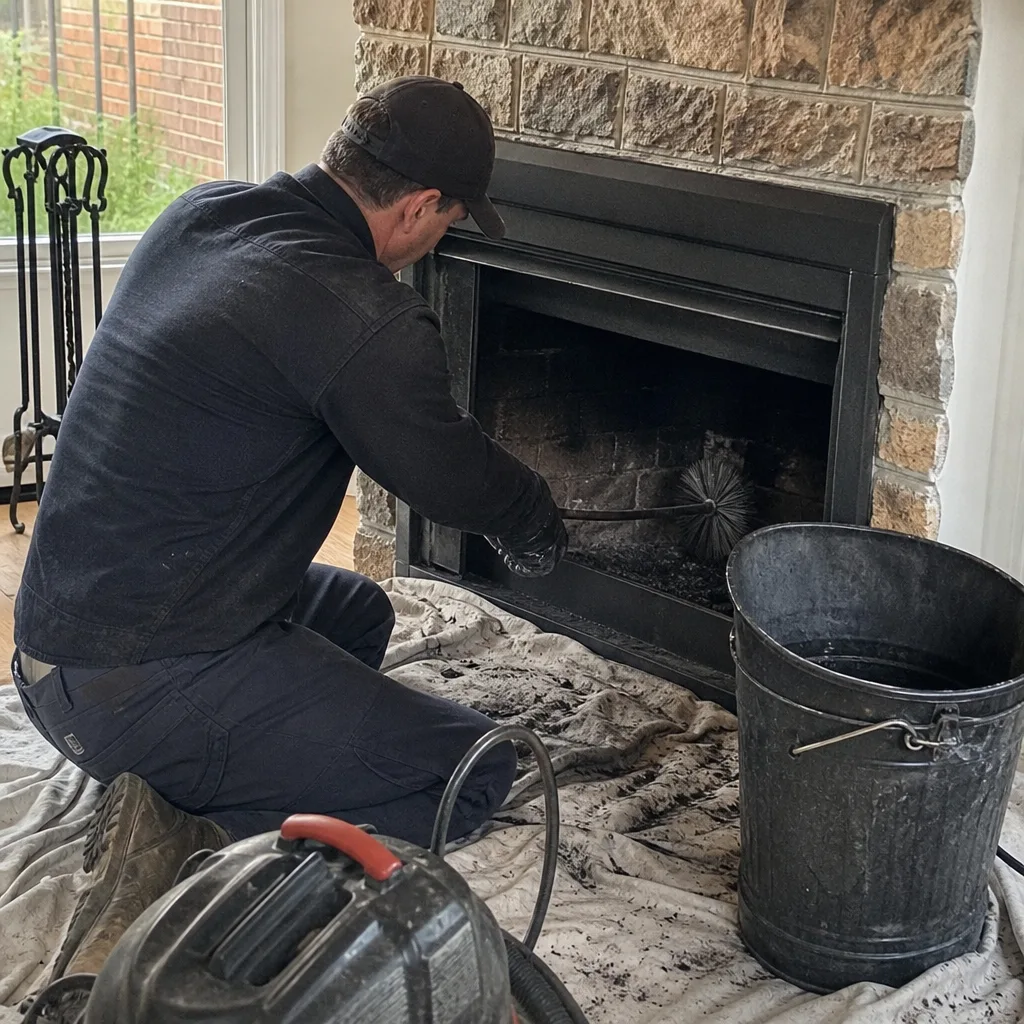
Summer is not the off-season. It’s the season when your chimney, if you leave it unprotected, starts collecting problems that materialize in October. Paterson’s humid continental summer does three specific things to an unmaintained chimney.
First, moisture. Summer humidity in the Passaic River valley is high, and it combines with rain to keep masonry damp for weeks at a time. A cracked crown or a missing chimney cap lets rain in directly, but even a sealed chimney absorbs ambient moisture from the air. The damage comes from the cycle of wetting and drying that never really stops. Moisture that got into a liner crack in March now has all summer to sit against the clay or metal, corroding and expanding. By fall, a hairline crack can become a visible gap.
Second, animals. Paterson’s summer nesting calendar is predictable if you know it. Chimney swifts arrive in April and May and leave by early November. They’re protected by federal law, which means if they nest in your chimney, you can’t remove them, and you can’t sweep until they’re gone. Raccoons use chimneys as den sites in April and May. Squirrels, birds, and wasps move in during June and July. The common thread: once a nest is established, your sweep is delayed until the animal leaves or is professionally removed, and in the meantime the nest material sits against your flue creating a serious fire hazard. The way to prevent this is a properly fitted chimney cap with mesh screening, installed before nesting season starts. A missing or damaged cap in May is not a small issue by August.
Third, neglect itself. When a chimney goes from March to September without inspection, it doesn’t stay static. The damage it has compounds. Water moves, rust spreads, mortar continues to erode, and animals find the openings. Summer is when a $400 spring repair becomes a $3,000 fall replacement. The math isn’t complicated; it’s just that nobody sees the chimney in July, so nobody thinks about it.
The most important summer action is the simplest one: get the cap checked and confirmed before May. We can’t overstate how many Paterson calls in October start with an animal or a water stain that could have been prevented five months earlier with a $250 cap replacement.
Pre-Season Sweep: September and October, and What It Can’t Do
The pre-season sweep is the service everyone knows they need, and they’re right. A September or October sweep in Paterson does three things. It removes creosote that accumulated during the previous burning season and any debris that fell in over summer. It confirms the flue is clear and the draft is working before you light the first fire. And it gives you an up-to-date record of the chimney’s condition going into the heaviest use months.
Here’s what a proper pre-season sweep includes and what each element actually accomplishes:
- Creosote removal by brushing or mechanical sweeping. This is the core job. Creosote is the tar-like residue left by wood combustion, and it’s the fuel for chimney fires. A sweep removes the accumulated layer so that when you burn, there isn’t fuel waiting in the flue.
- Flue inspection with a camera. The sweep itself clears debris, but only a camera down the flue shows the liner condition. We’ve been doing camera scans on every job since 2009, not as an add-on. It’s the only way to know if the liner has cracks, separation, or a partial blockage the brush won’t touch.
- Smoke chamber cleaning. The smoke chamber is the sloped area above the damper where creosote and soot collect in thick layers. A burn that cleans the flue can leave the smoke chamber loaded, and that’s where chimney fires commonly start.
- Cap and crown verification. The sweep should include a visual check of the cap and crown. If the cap is missing or the crown is cracked, the sweep can’t fix it, but it should flag it so you know before the rainy season.
Every sweep we do comes with a written price before work starts, a named technician assigned, and a documented photo record when it’s done. That’s Clause 4 of the Haven Standard, and it’s been the rule since 2009, not a nice-to-have.
But here’s what a pre-season sweep can’t do. It can’t reverse freeze-thaw damage that’s already occurred. It can’t close a crack in the liner. It can’t repair a spalled crown or re-seat a displaced cap. It can’t remove a chimney swift nest if the birds are still present. A sweep in October is the right time to clear the flue and confirm it’s safe to burn; it is the wrong time to discover structural damage and expect it to be fixed cheaply and quickly, because you’re now in peak season with every other Paterson homeowner who just found the same issue.
That’s why the spring inspection matters so much. The fall sweep is part of the system. By itself, it’s a safety measure. Combined with a spring inspection, it’s a maintenance program.
The Mid-Winter Use Check: What to Observe After the First Five Fires
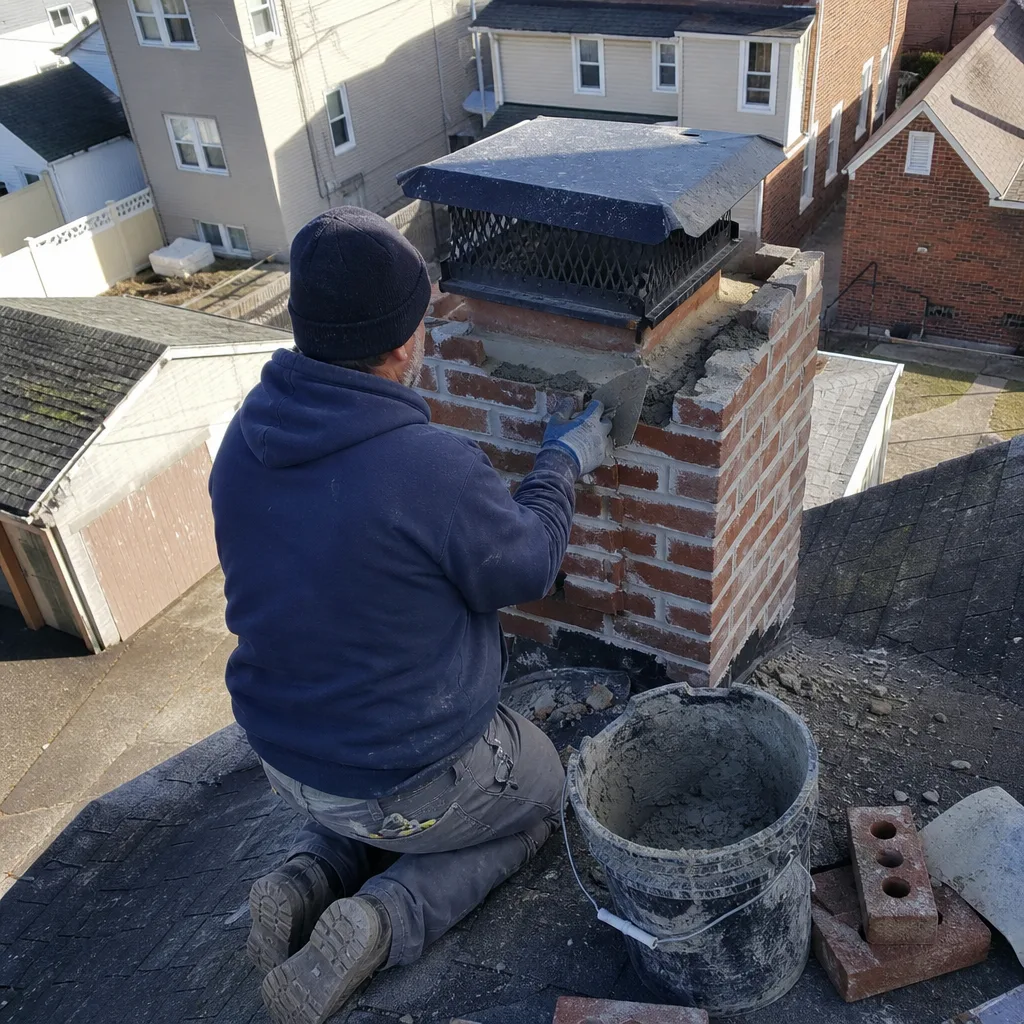
There’s a simple set of observations any Paterson homeowner can do after the first five fires of the season, and it catches most of the problems that slipped through the fall sweep or developed during early winter use. None of these require getting on the roof. All of them are looking at what the chimney is telling you from inside the house.
After five fires, here’s what to check:
- Glassing or shiny creosote. If you can see a shiny, tar-like coating inside the firebox or on the damper after a few fires, that’s Stage 3 creosote, the type that fuels chimney fires. It means the wood is burning too cool or wet. The fix might be as simple as using drier wood, but it also means the flue should be re-checked sooner than the spring inspection.
- Draft reversal or smoke entering the room. Small, occasional smoke spill when lighting a fire is common. Persistent smoke while the fire burns, or smoke smell in the room after the fire is out, indicates a draft problem: a partially blocked flue, a poorly functioning damper, or negative pressure from the house. Paterson homes with tight windows and newer insulation are more prone to this.
- Water or staining near the firebox. If water appears in the firebox after rain, or if you see dark staining on the walls or ceiling near the chimney, water is getting in somewhere. It’s likely the crown, the cap, or the flashing where the chimney meets the roof. This is a finding that should prompt a call, not wait until spring.
- Animal noise. Scratching, chirping, or rustling in the chimney after the fire has been out for a while almost always means something nested before the cap was reinstalled or found an opening. Don’t burn. Get it checked.
- Odor on wet days. A strong creosote smell in the house on rainy or humid days means accumulated creosote is absorbing moisture and off-gassing. It’s a sign the sweep was incomplete or the creosote level has built up faster than expected.
The pattern here: these are all symptoms of a problem that already exists. If the spring inspection was done and the fall sweep confirmed a clean flue, none of these should appear in the first five fires. When they do, they tell you something was missed. Call then. The chimney is talking to you every time you use it. Most people don’t listen until the room fills with smoke.
Month-by-Month Paterson Chimney Care Reference
Here’s the full year, restructured around when damage happens. Not vague reminders. Specific observation tasks for each month in Paterson’s climate.
| Month | What’s happening | What to do |
|---|---|---|
| January | Peak burning month. Freeze-thaw cycling active, often several cycles this month. Creosote accumulating with every fire. | Watch for smoke entering the room. Check firebox for shiny creosote after each week of heavy use. If the fire is hard to start or won’t stay lit, note it. |
| February | Freeze-thaw continues. Ice may sit on the crown for days. Flue liner under maximum thermal stress from frequent fires. | Look for new water staining near the firebox or ceiling. Listen for creaking or popping from the chimney masonry (minor movement as freeze cycles work). Continue using dry, seasoned wood. |
| March | Freeze-thaw season ending. Damage is now most visible. Efflorescence peaks as snow melts. Cracks have propagated through winter. This is the single most important month for inspection. | Schedule the post-heating-season inspection. Include camera scan of liner, crown assessment from roof level, and masonry surface check. Do it before spring rain washes away efflorescence evidence. |
| April | Spring rain begins. Animal nesting season starts. Chimney swifts may be arriving. Any water path opened in winter now carries rain into the structure. | If the March inspection flagged issues, get them quoted and scheduled now while off-season pricing holds. Confirm the chimney cap is intact and properly meshed before nesting takes hold. |
| May | Nesting in full swing. Humidity rising. Any damaged masonry absorbs spring rain and sits damp for weeks. | Verify no animal activity. Don’t attempt removal if swifts are nesting; they’re federally protected. If you saw efflorescence in March and haven’t addressed it, do not let this month pass. |
| June | Warm and humid. Squirrels and birds may investigate uncapped flues. Moisture that entered in spring is now working into masonry and liner. | Check for animal noise if the chimney is uncapped. If you haven’t had a spring inspection, it’s still worth doing before peak demand hits. Off-season repairs remain inexpensive. |
| July | Summer humidity at peak. Creosote from last season absorbs moisture, creating odor. Cracks continue to widen slowly. | If you smell creosote in the house on humid days, the flue needs cleaning even though it’s summer. Note the odor. It tells you the creosote load was heavier than the last sweep assumed. |
| August | Animals may still be present. Nest material sits against the flue. Peak-season pricing hasn’t hit yet, but demand is starting to stir. | Schedule the pre-season sweep now. Don’t wait until September, when every Paterson homeowner is calling at once. You’ll get better scheduling and off-peak attention. |
| September | Pre-season sweep time. This is when the flue gets cleared and confirmed safe for burning. Crew demand spikes, scheduling tightens. | Complete the sweep. Confirm the cap and crown are intact. If the spring inspection was missed, this sweep should include a full camera-scan inspection so you at least know the liner condition before first burn. |
| October | First fires begin. Half of Paterson is discovering problems that were present since March. This is peak repair season and peak pricing. | Do the mid-winter check after the first five fires. Watch for smoke smell, shiny creosote, and draft reversals. Address anything unusual immediately. |
| November | Heavy burning begins. Creosote deposits accumulate quickly, especially with softwood or stored wood. Freeze-thaw season starts again. | Maintain dry, seasoned wood. Watch the firebox after hot fires for signs of glazed creosote. The chimney is under full load; this is when March damage shows up as a functional problem. |
| December | Coldest month in Paterson. Freeze-thaw in full swing. The creosote deposited in November is now inches thick in an un-swept flue and is the fuel for chimney fires. | If you see firebox glow on the chimney walls or hear a roar from the chimney, that’s a chimney fire in progress. Call 911. This is the event the entire year’s maintenance prevents. |
Common Mistakes to Avoid
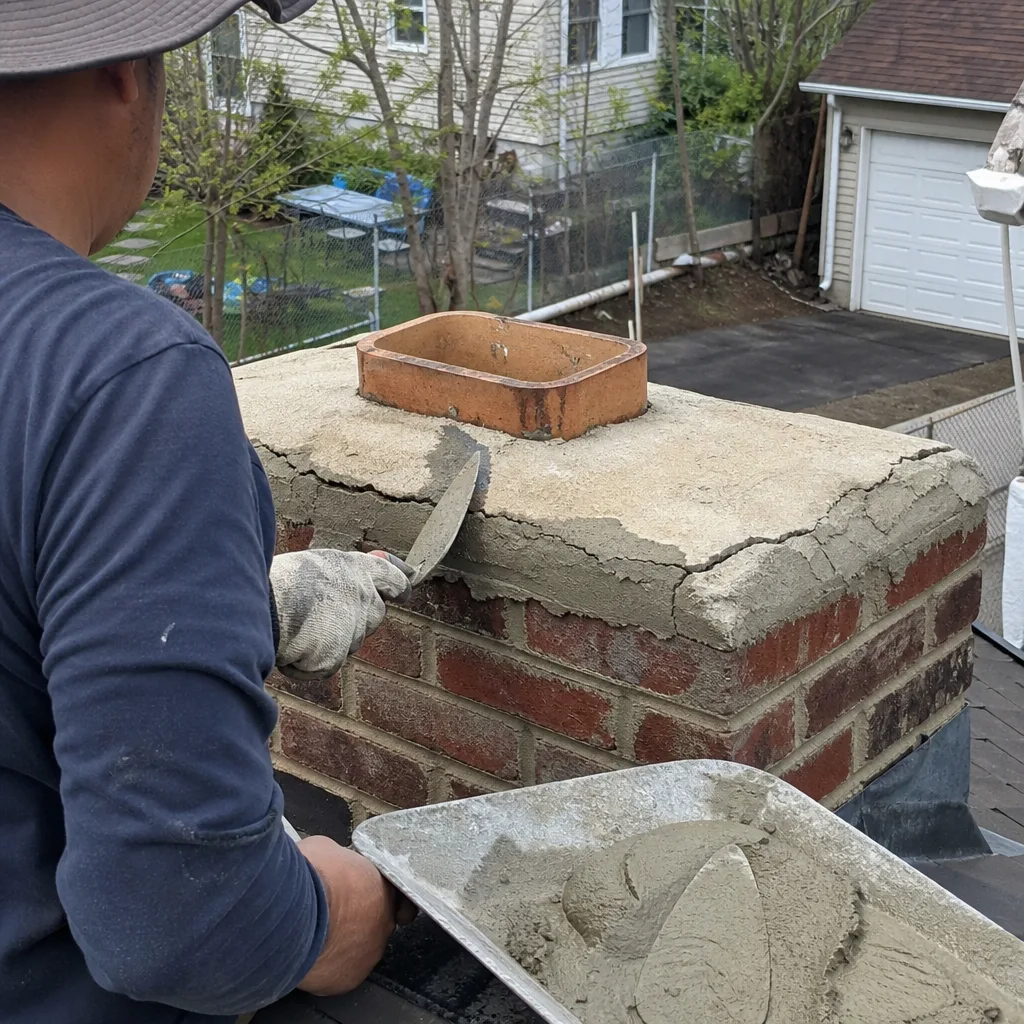
- Skipping the spring inspection because “we didn’t use the fireplace much.” The freeze-thaw cycle doesn’t care how often you burned. Your chimney still went through 28 freeze-thaw cycles. The liner still absorbed moisture. The cap still got hit by wind and ice. Low use changes creosote accumulation, not structural vulnerability.
- Assuming a fall sweep is an inspection. A sweep clears the flue. An inspection reads the condition. These are different services with different findings. A fall sweep confirms the flue is clear; it doesn’t tell you the liner is intact unless a camera scan is included.
- Ignoring white efflorescence as “salt stain” or dirt. Efflorescence is the visible record of water moving through your masonry. It means the chimney is getting wet through a crack or failed cap and will fail worse next winter. Ignoring it doesn’t make it stop; it gives the freeze cycle more material to work with.
- Waiting until fall to call when you saw a problem in March. Every month of delay added cost. A liner patch quoted in April is a liner replacement in October. Same problem, same house, just eight months of water and thermal cycles making it worse.
- Removing animal nests yourself. Chimney swifts are protected by federal law. Raccoons and squirrels can carry disease and will defend a nest. The right move is a professional with the proper removal process and the right cap installation to prevent recurrence.
- Burning wet or unseasoned wood all winter. Wood that hasn’t been split and stacked for at least six months creates more creosote per fire and burns less efficiently. The result is a flue that loads up faster and needs a mid-season sweep. In Paterson, with its humid summers, even stacked wood needs a covered top.
When to Call a Professional
Some things you can observe from the ground. Some things require a camera down the flue and a person on the roof who knows what a cracked crown looks like. Call a professional when you see water in the firebox after rain, when smoke enters the room persistently while burning, when you hear animal activity in the chimney, when you see shiny creosote after only a few fires, or when the last inspection was more than a year ago. If you see fire in the chimney that isn’t in the firebox, get everyone out and call 911. Level Two Chimney Paterson offers free estimates in Paterson, and every quote is written before work starts, with a documented photo record included when the job is done. Call (862) 356-5229. If you have a written estimate from another company, bring it. We’ll give you a free second opinion on it.
Frequently Asked Questions
A standard chimney sweep in Paterson typically runs $180 to $320, depending on flue size, creosote load, and whether a camera-scan inspection is included. Every quote from Level Two Chimney Paterson is written before work starts, so you know the exact number before the technician arrives. Call (862) 356-5229 for a free estimate.
Yes. The fall sweep clears the flue for burning, but the spring inspection reads what the winter did to the chimney. Freeze-thaw damage, liner cracks, cap displacement, and crown spalling are all most visible and cheapest to fix in March and April. Waiting until the next fall sweep means letting that damage sit for eight months. The two services answer different questions and don’t replace each other.
A chimney in regular use in Paterson should be swept once per year, in September or October, before burning season. If you burn frequently or with softwood, you may need a mid-season sweep after the first three months. The National Fire Protection Association says any visible creosote layer of 1/8 inch or more warrants a sweep regardless of schedule.
One skipped year usually means the creosote layer thickens and any existing small crack in the crown or liner propagates through another 28 freeze-thaw cycles. The most common outcome in Paterson is a liner crack that opens in March, isn’t seen, and by fall has widened enough to show up as smoke smell or water staining. The repair cost escalates from a patch to a replacement in the same calendar year. The best single-year decision is the spring inspection; it’s the one that catches the damage while it’s still cheap.
You can do a ground-level observation: look for cap displacement, visible crown cracks larger than a quarter inch, efflorescence, and spalling on the masonry face. What you can’t do from the ground is see inside the flue liner, assess the smoke chamber, or read the creosote classification. Those require a camera scan and a person on the roof. The ground check is useful for monthly monitoring, but it’s a screening, not an inspection. A proper NFPA 211 Level 2 inspection includes the camera, and we’ve made that the default on every job since 2009.
The best time for inspections and repairs is March through August, when demand is lower and scheduling is flexible. The best time for a sweep is late September or early October, before the pre-season rush. The worst time to discover a problem is October through January, which is exactly what happens if the spring inspection was skipped. You’re competing with every other homeowner for the same crews at peak pricing.
The Bottom Line
The Paterson chimney maintenance calendar runs opposite to how most people think about it. Fall is for sweeping, but spring is for inspecting, and skipping the spring is what turns minor damage into major repairs. The freeze-thaw cycles that crack liners and crowns happen in March, not October. The water that moves through those cracks all summer is what the fall sweep finds too late. If you do one thing differently this year, make it the post-heating-season inspection in March or April. It’s the cheapest, most informative chimney service available, and it’s the one that keeps the other nine months from becoming expensive. You can find us at Level Two Chimney Paterson home for more, or see the specific services at Chimney Cleaning & Sweep in Paterson and Fireplace Services in Paterson. Call (862) 356-5229 when you’re ready, and we’ll give you a written price before anything starts.
Written by Corrine Halstead, Owner at Level Two Chimney Paterson, serving Paterson since 2009. Browse more guides & resources.