
Last updated September 20, 2026
Level 1 sweep and inspection to the NFPA 211 annual standard - flue, crown, cap, and flashing checked and photographed
Chimney sweep logs do not sweep chimneys. They loosen some creosote - which then falls where a brush and vacuum still have to collect it.
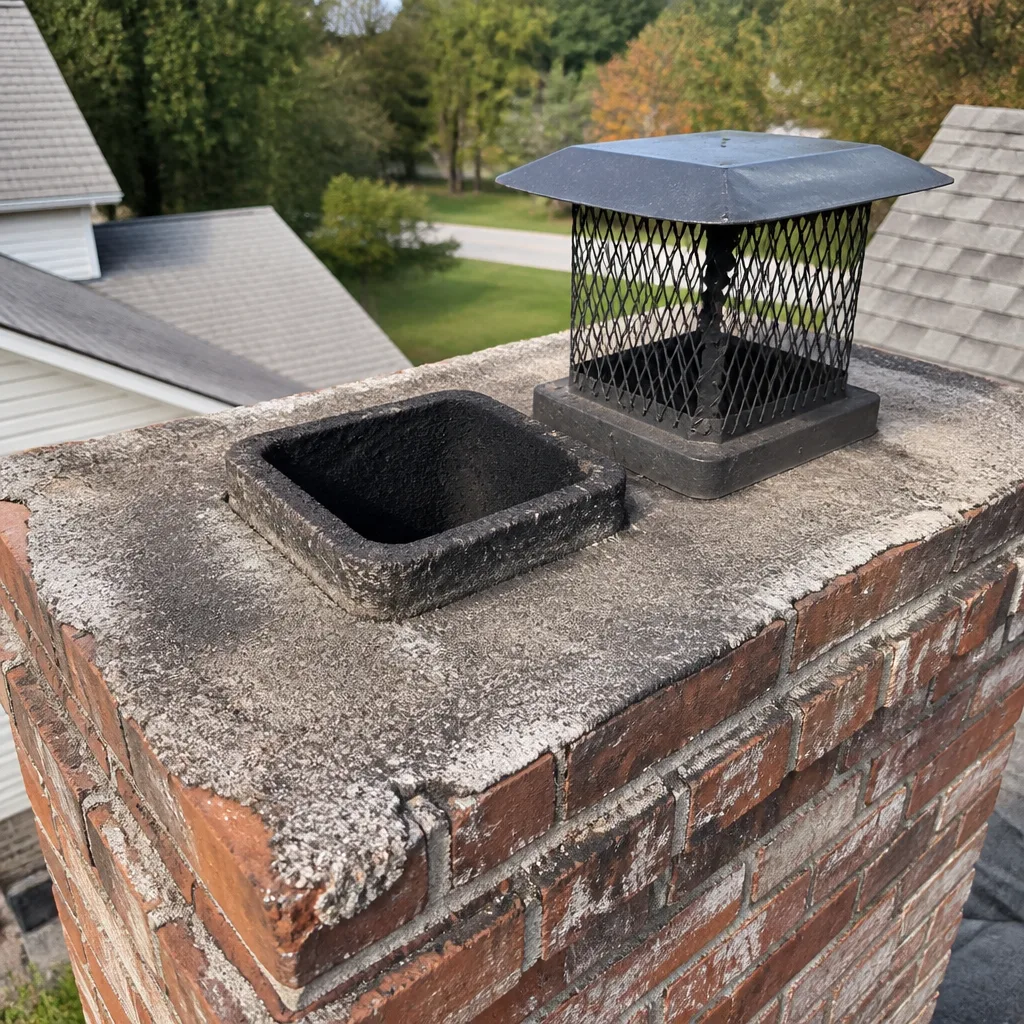
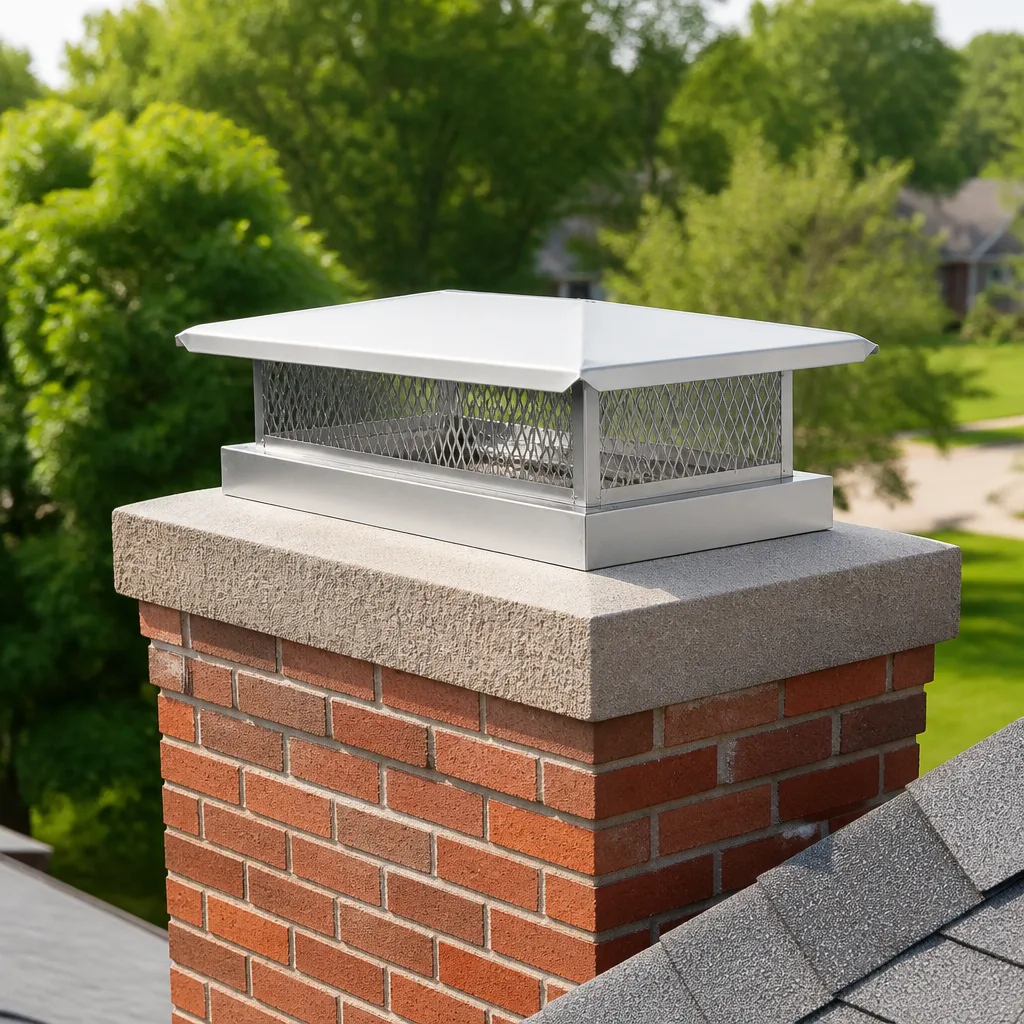
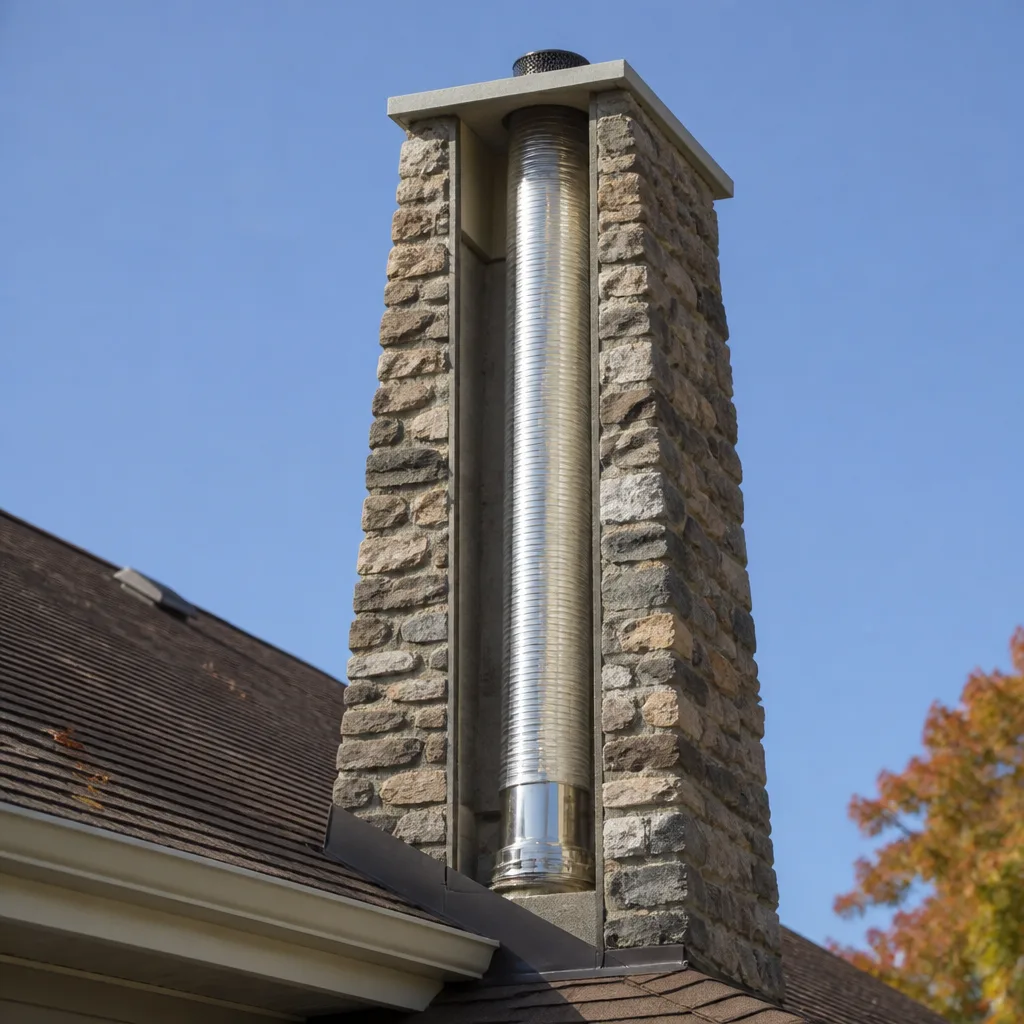
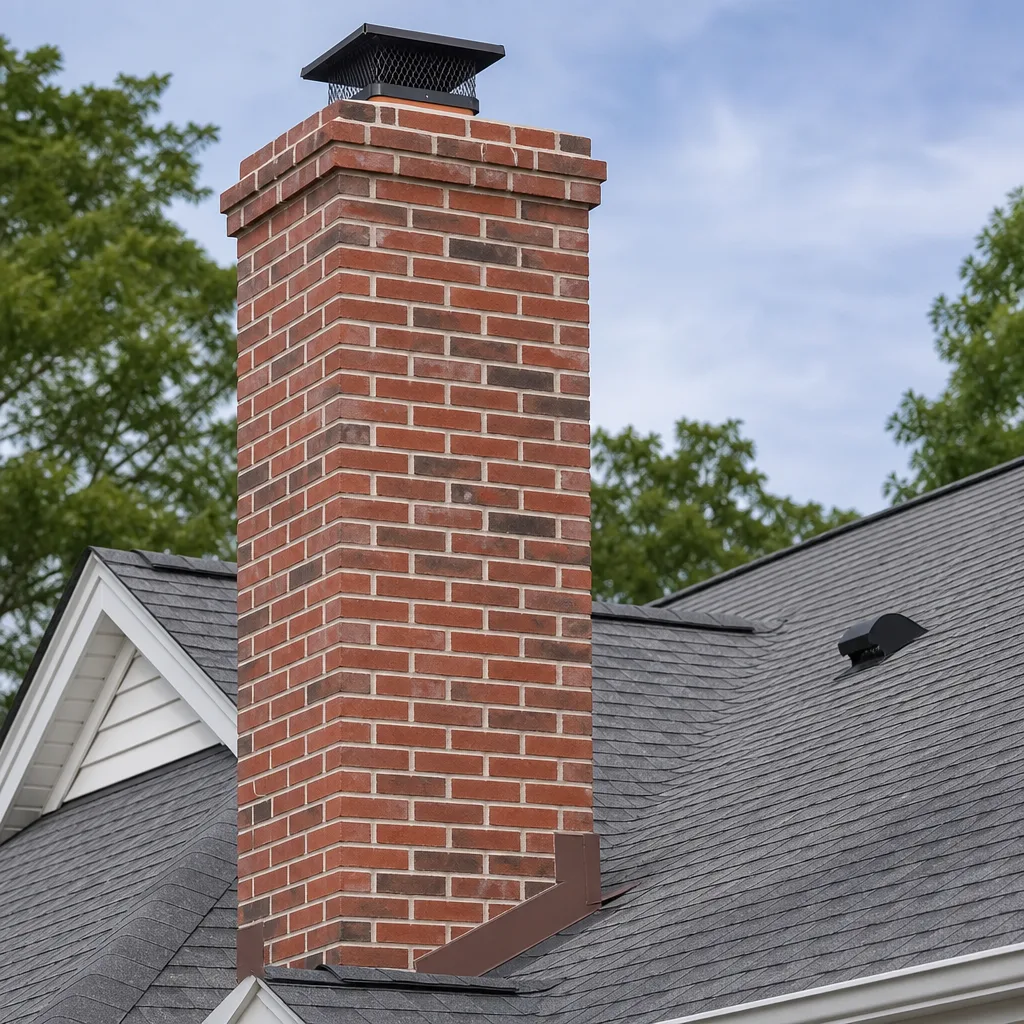
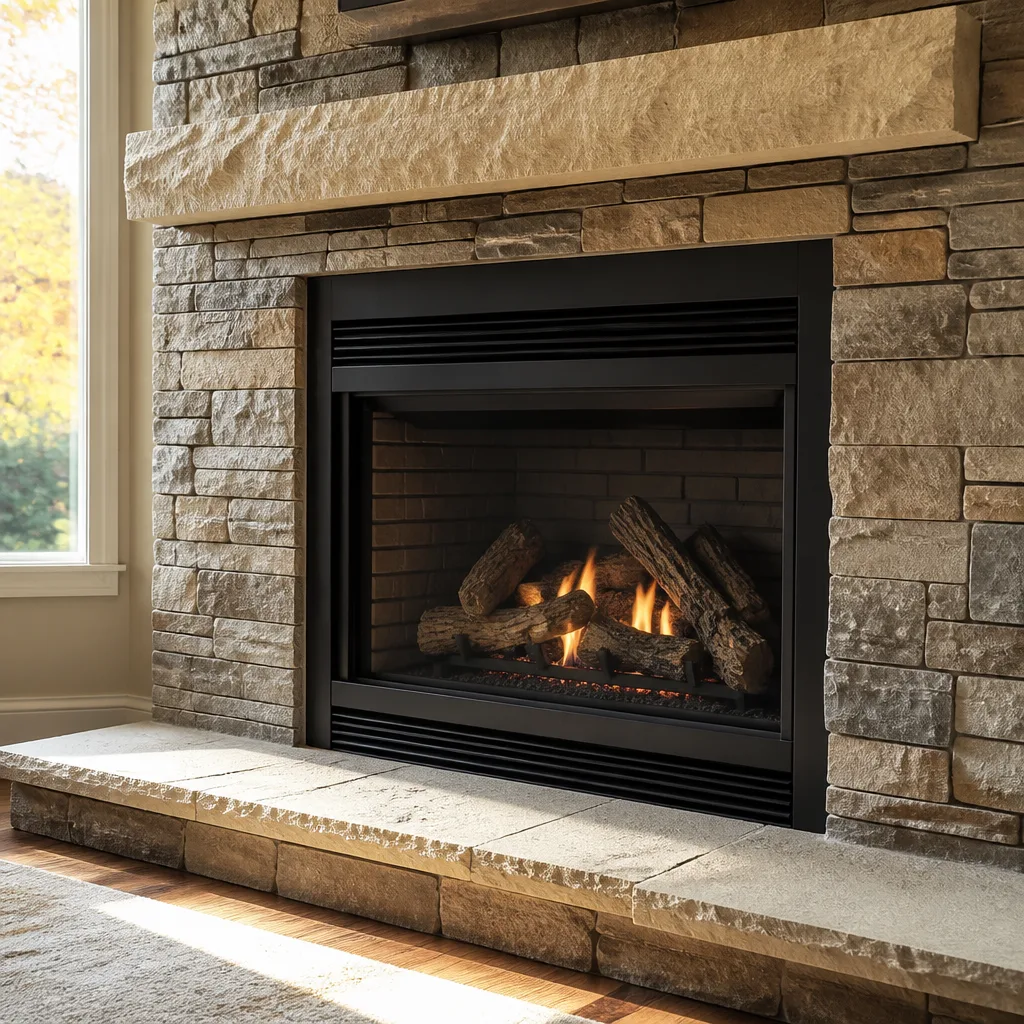
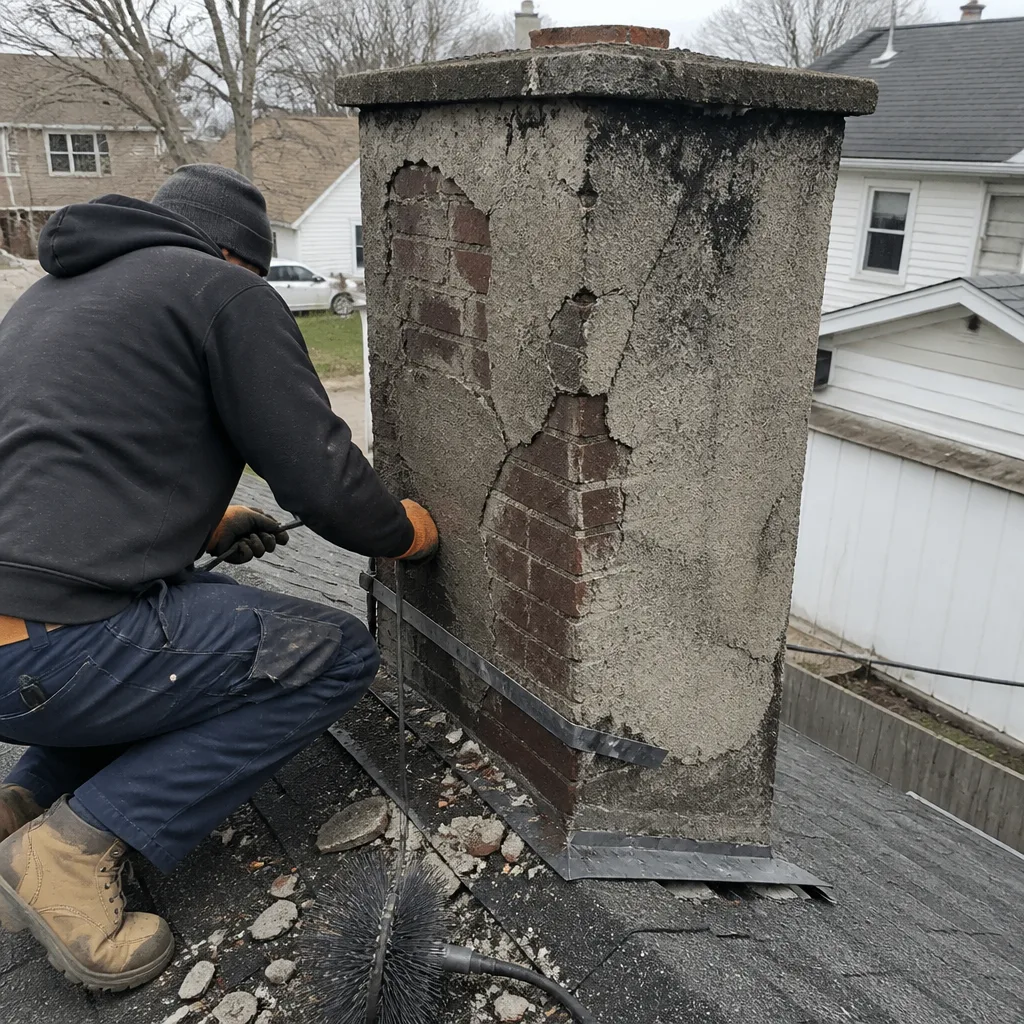 Before
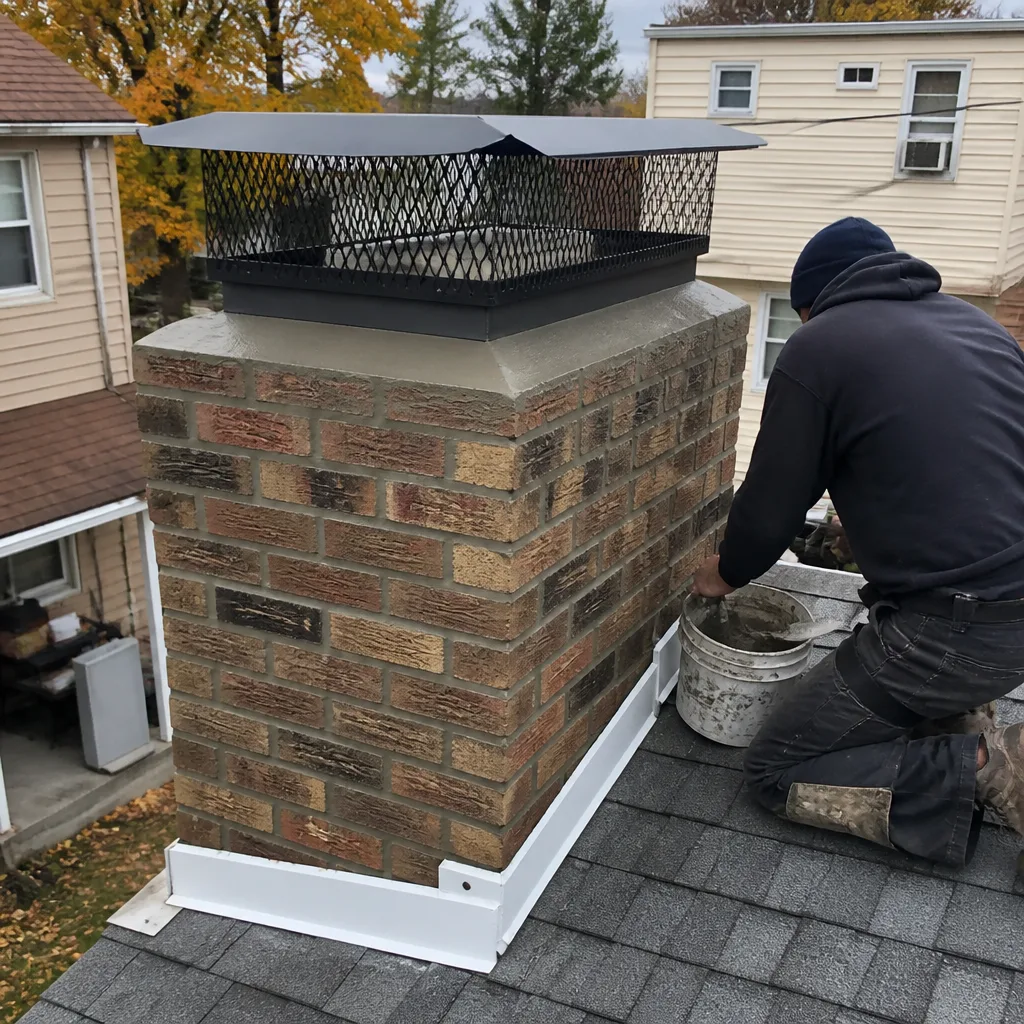 After
After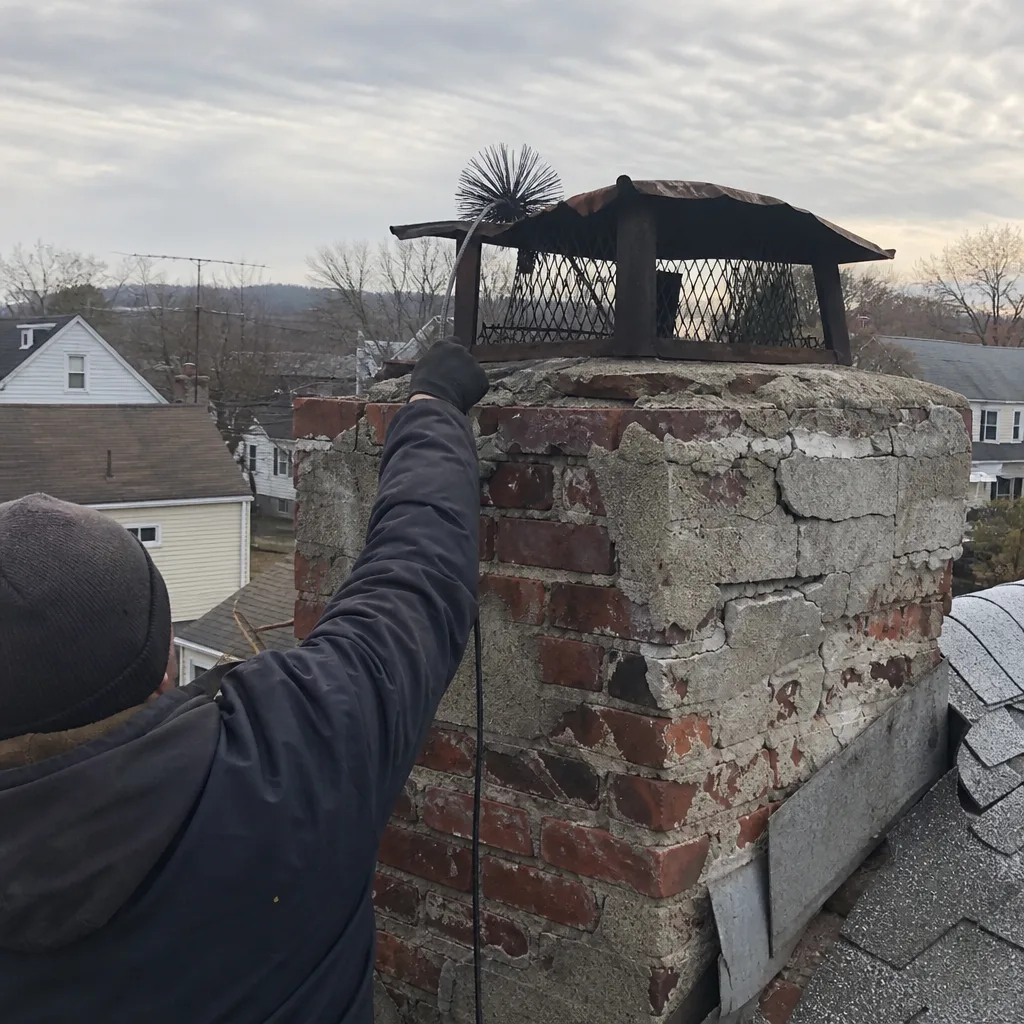 Before
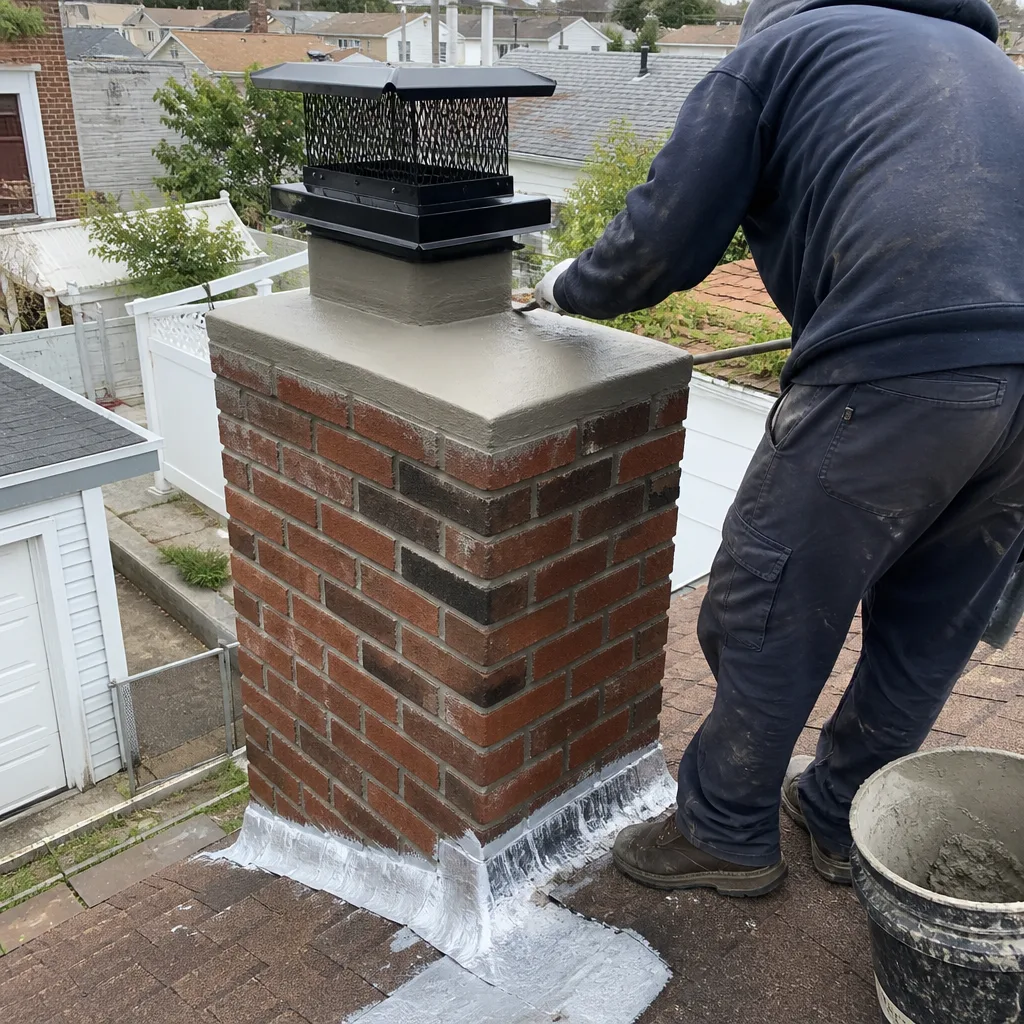 After
After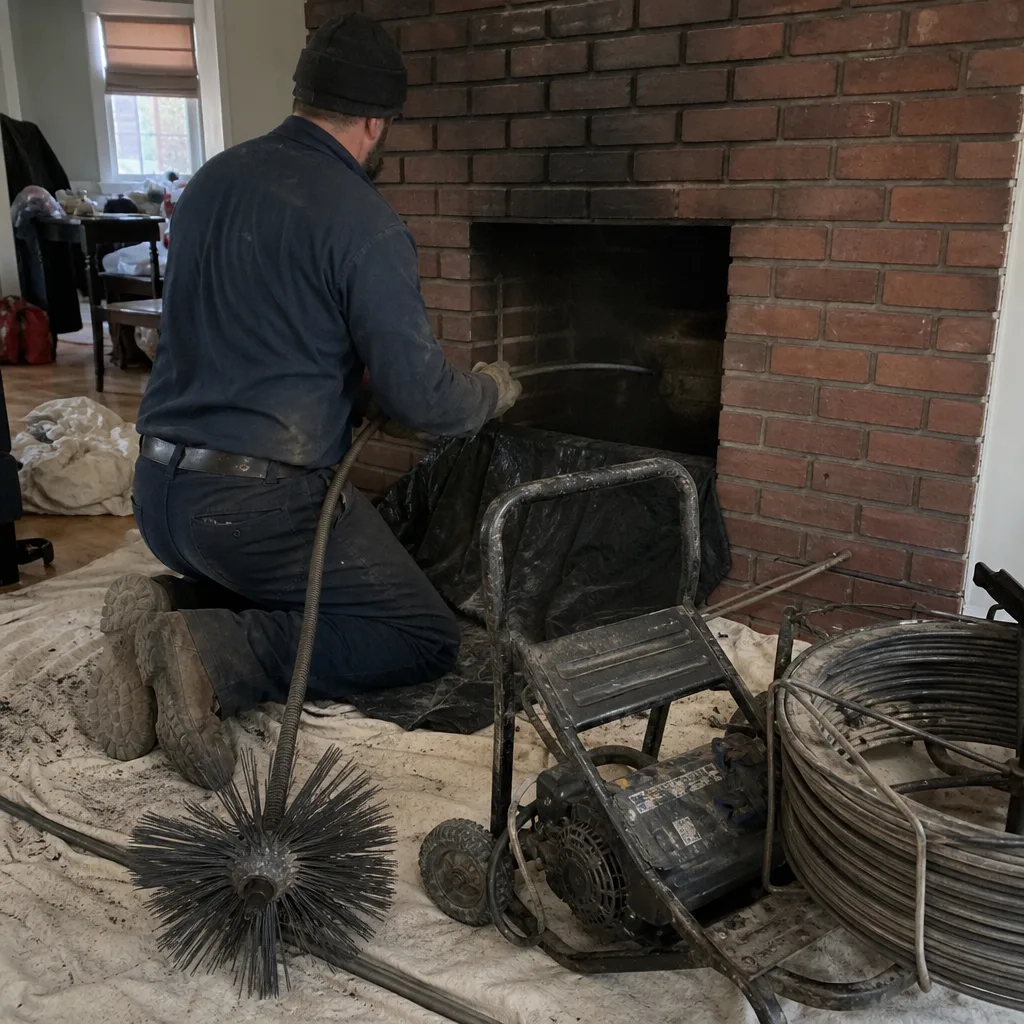 Before
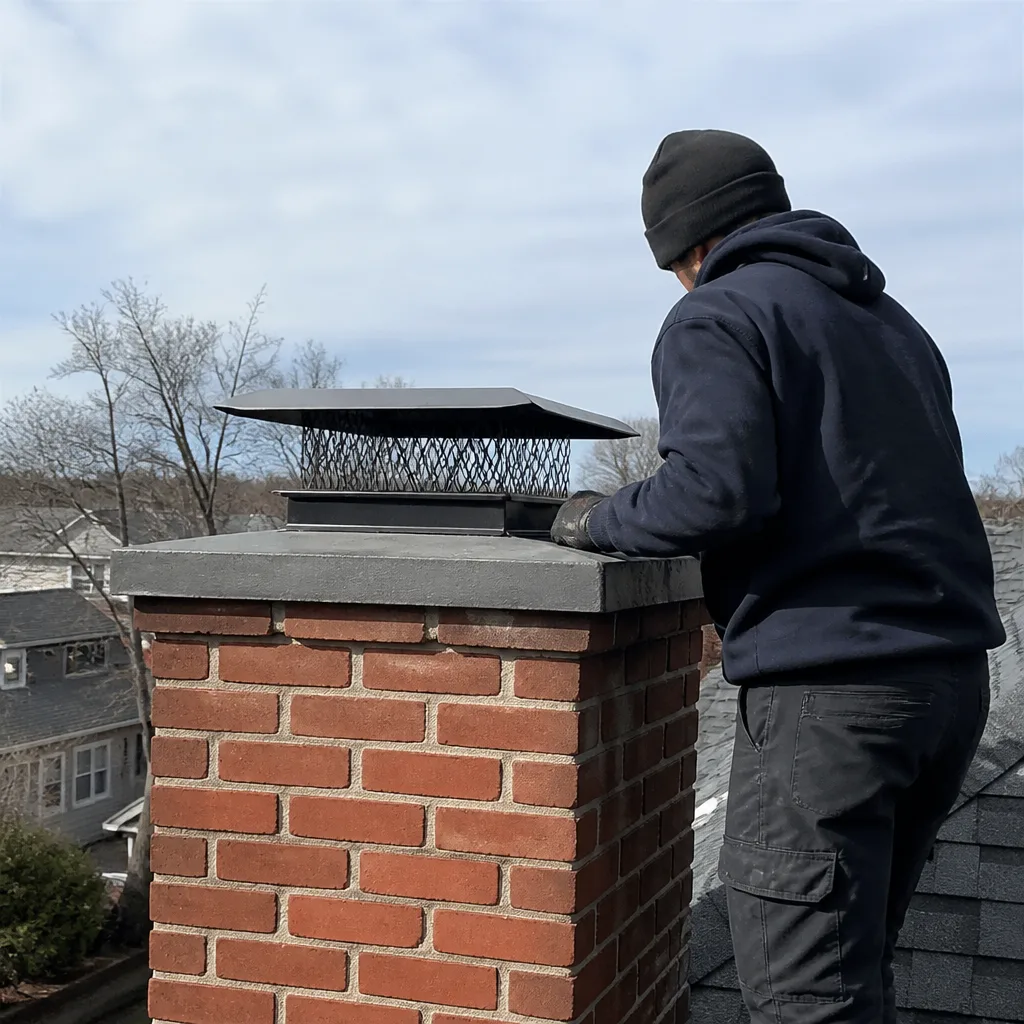 After
AfterChimney Cleaning Permits, Codes & Inspections in NJ: What You Need to Know
New Jersey does not require a permit for routine chimney cleaning, but it does require one for relining. That distinction, which sounds minor until an insurance adjuster asks for paperwork, has caught more Paterson homeowners off guard than failed mortar. Most people find out which code governs which situation only after a chimney fire, a failed home sale, or a denied claim. This guide - along with our complete guide to chimney cleaning in Paterson - maps the layers: NFPA 211, the International Fire Code, and the local Paterson ordinances that can all apply to the same brick stack at the same time.
Quick Answer
Routine chimney sweeping in New Jersey is permit-exempt, but relining, rebuilding, or structural modification of a chimney requires a construction permit from the local building department. Codes that govern chimney work in NJ include NFPA 211 (the inspection and maintenance standard), the International Fire Code (adopted at the state level), and local ordinances in municipalities like Paterson. The fastest way to avoid surprise enforcement is to have your chimney inspected to NFPA 211 Level 2 standard and keep the written documentation.
Table of Contents
- What Chimney Work Is Permit-Exempt in New Jersey?
- Chimney Work That Requires a Permit in NJ
- NFPA 211 and the Three Levels of Chimney Inspection
- What Your Insurance Company Actually Looks For
- Paterson-Specific Code Enforcement: What Triggers an Inspection
- The Written Record That Satisfies Code Officials and Adjusters
- Step-by-Step: What to Do Before You Book a Chimney Service in Paterson
- Common Mistakes to Avoid
BeforeAfterWhat Chimney Work Is Permit-Exempt in New Jersey?
Under the New Jersey Uniform Construction Code, which derives its fire safety provisions from the International Fire Code, routine maintenance on an existing chimney does not require a permit. That includes what most homeowners think of as a chimney sweep: removing creosote and soot from the flue, cleaning the smoke chamber, and clearing debris from the smoke shelf. It also includes minor repairs that don’t alter the structure, such as replacing a damaged chimney cap or re-attaching a loose mortar joint on the crown.
In Paterson, this permit exemption holds. We’ve cleaned chimneys in the Eastside, Lakeview, and South Paterson, and the city’s building department has never asked for a permit for a standard sweep or a camera scan. The key distinction is simple: if the work changes the condition of the chimney but not its structure, no permit is triggered. If a service includes removing and replacing brick, installing a new flue liner, or rebuilding part of the firebox, the permit question changes.
Here’s what you can have done without pulling a permit in most New Jersey municipalities, including Paterson:
- Chimney cleaning and creosote removal - cleaning the interior flue surfaces, including Class I, II, and III creosote removal.
- Camera-scan chimney inspection - running a video camera up the flue to document liner condition; this is the core of an NFPA 211 Level 2 inspection.
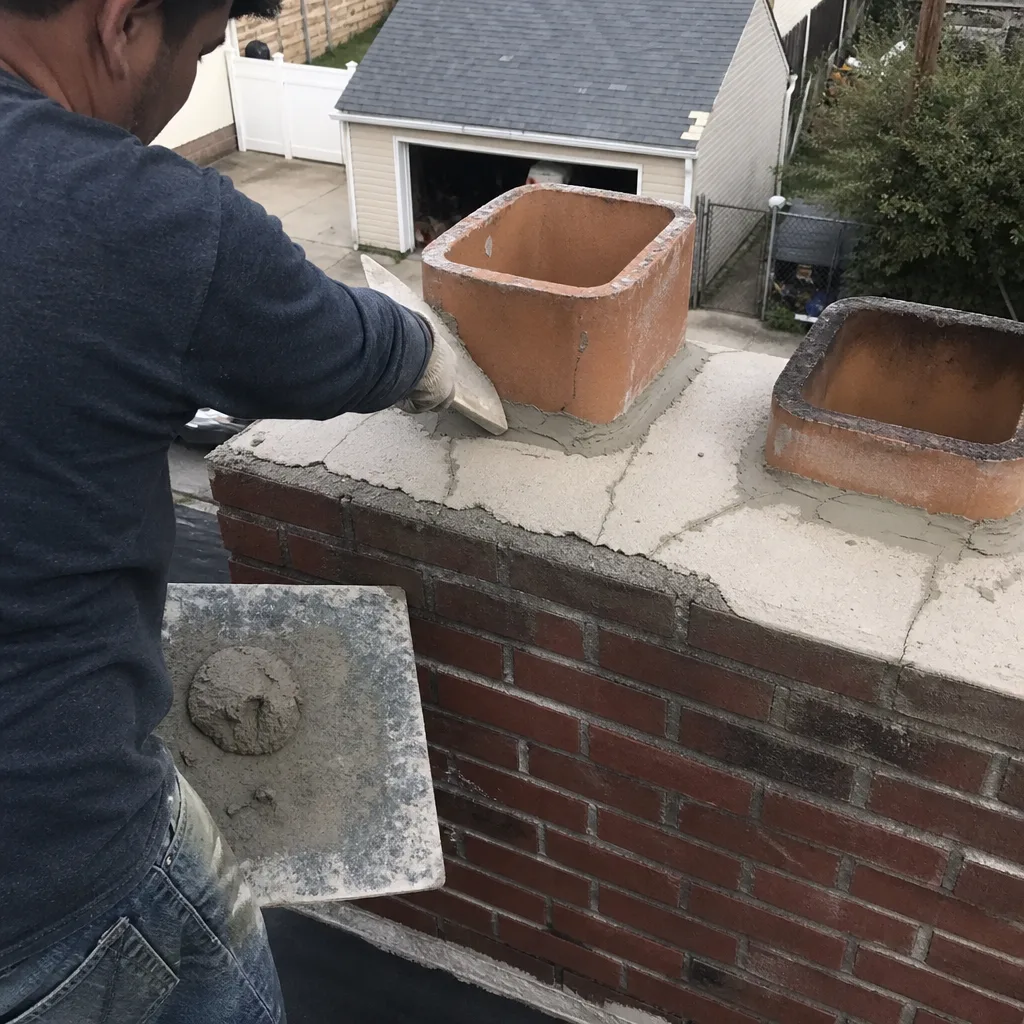
- Chimney cap and crown repair - replacing a rusted cap or re-sealing a cracked crown with a patch product. If the crown is removed and repoured, a permit may be required.
- Minor masonry pointing - tuckpointing small areas of loose mortar between brick units, as long as you are not dismantling part of the chimney.
- Fireplace door or damper replacement - swapping a throat damper for a top-sealing damper requires no permit in most cases.
If you are planning to sell your home in Paterson, read the next section carefully. Relining is where the line is.
Chimney Work That Requires a Permit in NJ
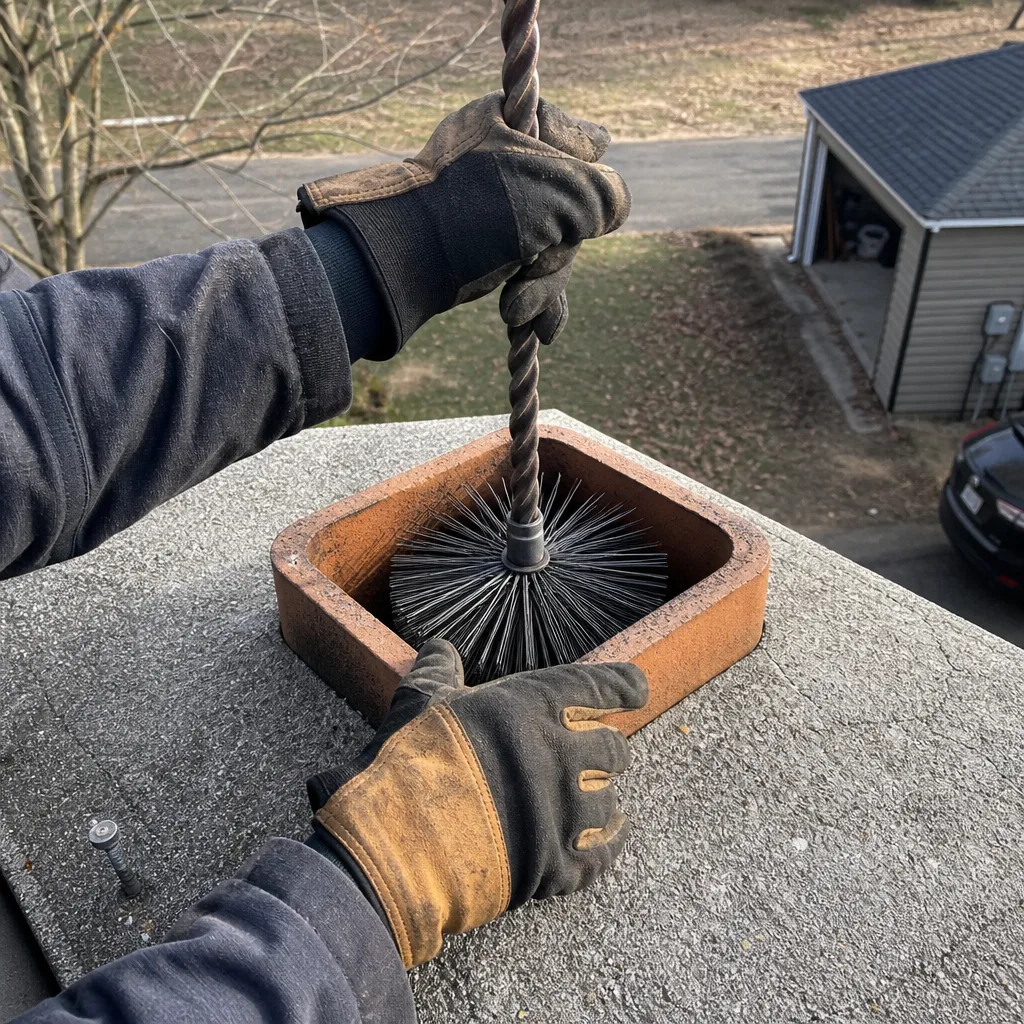
Under the New Jersey Uniform Construction Code, any work that involves structural alteration, reconfiguration, or replacement of a chimney component above a cosmetic threshold requires a construction permit. This is where homeowners get surprised: a relining project, regardless of method, almost always crosses the permit threshold. Whether you are installing a stainless steel liner from a brand like Olympia Chimney or a HeatShield resurfacing system, the work changes the flue’s dimensions, function, or material, which triggers a required inspection.
Here are the chimney projects that require a permit in Paterson, and most of New Jersey:
- Flue relining - installing a new stainless steel or poured-in-place liner system. The permit application typically requires a description of the existing liner condition, the new material, and the system’s UL listing.
- Chimney rebuild - removing and rebuilding part or all of the chimney stack above the roofline, or dismantling and reconstructing the firebox.
- Fireplace conversion - converting a wood-burning fireplace to a gas insert or a direct-vent appliance. The permit involves gas line work and changes to the venting configuration.
- Smoke chamber reconstruction - parging or rebuilding the smoke chamber changes the interior geometry of the chimney, which is structural by code definition.
- Structural repair to the flue or firebox - if the firebrick in the firebox is removed and replaced with new refractory panels, the work crosses the threshold.
A good way to know: if the work requires a manufacturer’s UL listing or a sizing calculation, it requires a permit. The permit process triggers an inspection by a Paterson building code official, and that inspection can expose deferred repairs that a cleaning-only company never documented. This is why the chimney repair services in Paterson we recommend are structured around documentation: the permit inspection becomes much simpler when you already have a camera record of the condition before the work was done.
NFPA 211 and the Three Levels of Chimney Inspection
NFPA 211 is the national standard for chimneys, fireplaces, and venting systems, and it defines three levels of inspection. The code does not mandate a specific level for routine cleaning; it mandates a level based on the reason for the inspection. In New Jersey, and in Paterson specifically, the moments that trigger a higher inspection level are often tied to real estate transactions, system changes, or damage events.
Here’s the breakdown:
- Level 1 inspection: a visual inspection of accessible portions of the chimney. It is the standard for routine, annual maintenance when nothing has changed about the system.
- Level 2 inspection: a more detailed inspection that includes camera scanning of the interior flue, attic, and crawlspace accessible areas. NFPA 211 requires a Level 2 inspection when a property is being sold, when a system change is made (such as replacing the fuel source), or after a chimney fire, earthquake, or weather event. This is the standard level we have used as a default on every service visit since 2009.
- Level 3 inspection: an invasive inspection that may require removing portions of the chimney or surrounding structure. It is used when a Level 2 inspection reveals an area of concern that cannot be evaluated without dismantling.
For a Paterson homeowner selling an older home, the Level 2 requirement is the one that matters. A buyer’s home inspector will not dismantle the chimney - they will note that the system is older than 10 years or that they observed potential blockages, and the buyer’s lender or insurance underwriter may ask for a Level 2 inspection. If you have not had one, the sale can stall. We handle those calls regularly from neighborhoods like Hillcrest and Wrigley Park: a requested inspection becomes urgent because the paperwork is tied to a closing date, and the inspection reveals a condition that should have been caught earlier.
What Your Insurance Company Actually Looks For
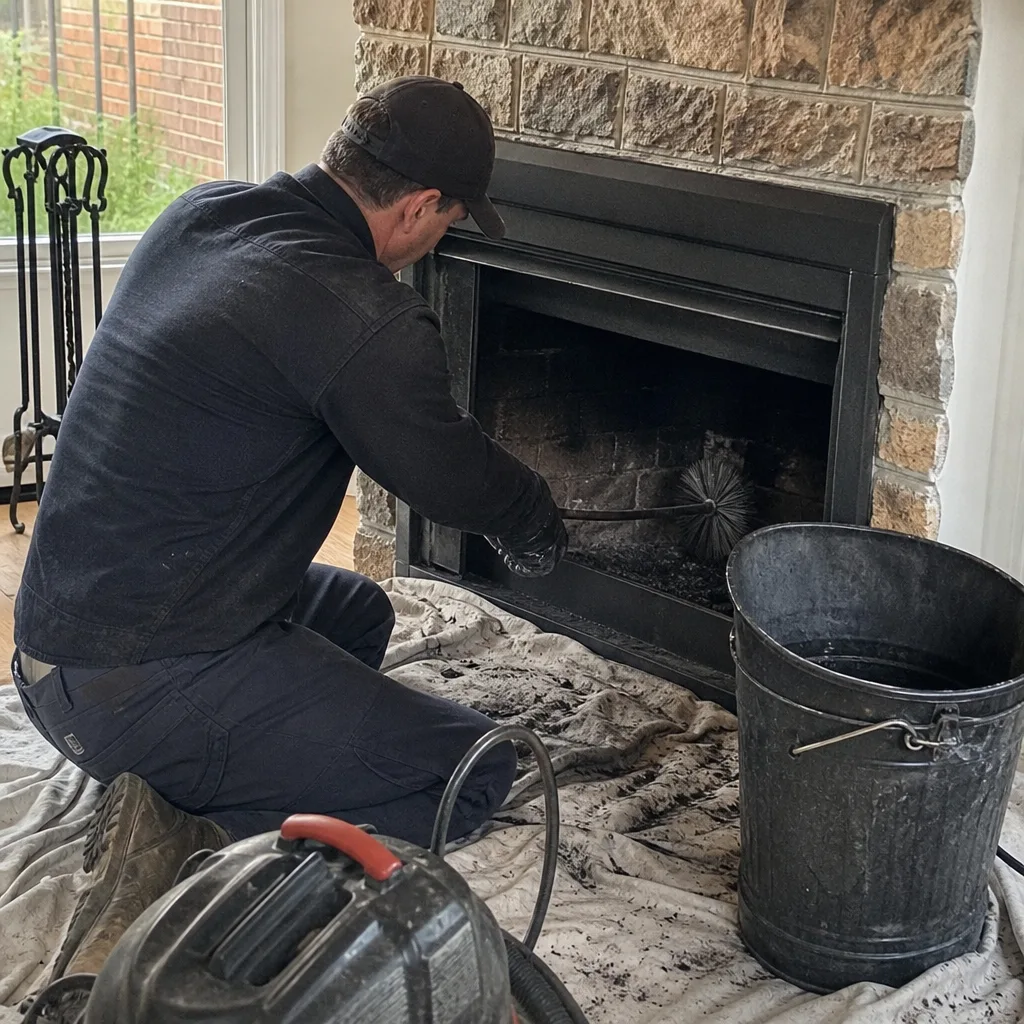
Insurance claims for chimney fires are among the most commonly denied in New Jersey, and the reason is always the same: lack of documentation that the chimney was maintained. See our Chimney Cleaning Warning Signs: A Paterson Homeowner’s Reference Guide for what to watch for before problems escalate. The carrier will not ask how well the chimney was cleaned. They will ask for records that prove the flue was maintained to an accepted standard, and they will compare that record to the date of the loss.
Here’s what matters to an adjuster:
- Dates. A chimney fire claim is difficult to win if the last documented cleaning was six years before the fire. The carrier will cite NFPA 211’s recommendation of annual inspection and cleaning as a maintenance standard.
- Photos. A written invoice that says “cleaned chimney” is almost worthless. A dated photo record showing the flue before and after the work is evidence. We have always operated under Haven Standard Clause 4: a camera-scan photo record is required on every visit, and it has been part of the standard since 2009.
- Condition findings. If the last record describes a damaged flue liner or a Class III creosote accumulation and the homeowner did not act, the carrier may cite that as failure to maintain. The finding must be in writing.
- Written warranty. Some carriers will accept a workmanship warranty as evidence of professional-level work. A written warranty, with a stated term, is stronger than a verbal assurance.
In our experience with Paterson homeowners, the typical claim denial looks like this: the homeowner has one invoice from years ago, no photos, and no condition report. The adjuster applies a maintenance standard, finds no evidence, and denies. The homeowner then calls us, and the first thing we ask for is the previous documentation. The answer is almost always that there isn’t any. That’s the gap this guide is designed to close: documentation is not an add-on. It is the only thing that satisfies the standard.
Paterson-Specific Code Enforcement: What Triggers an Inspection
Paterson, as a densely built city with a large stock of pre-1940 masonry chimneys and a history of industrial and residential conversion, presents a specific enforcement environment. The city’s building department, under the New Jersey Uniform Construction Code, is most likely to inspect a chimney in these situations:
- Permit-pulled work. When a contractor pulls a permit for relining or rebuilding, the city inspector will visit at the pre-work and post-work stages. The post-work inspection verifies that the liner is properly listed and installed to the manufacturer’s specification.
- Real estate transactional inspections. Some Paterson home sales involve the city’s certificate of continued occupancy or fire safety inspection. An older chimney noted as having visible soot, loose brick, or missing caps can trigger a requirement for a Level 2 inspection before the sale closes.
- Fire department responses. After a chimney fire, the Paterson Fire Department will typically inspect the structure, and the homeowner will be required to have the flue evaluated before the system is put back into service.
- Complaint-driven inspections. Neighbor complaints about smoke, odor, or falling masonry can trigger a code enforcement visit, which then references the chimney condition.
We have seen the difference a documented chimney cleaning and sweep in Paterson makes in these situations. When the homeowner can produce a camera-scan record showing the flue’s condition before and after, the inspector’s job is much easier. When the record doesn’t exist, the inspector has to assume the worst and often requires the more expensive path just to verify safety.
The Written Record That Satisfies Code Officials and Adjusters
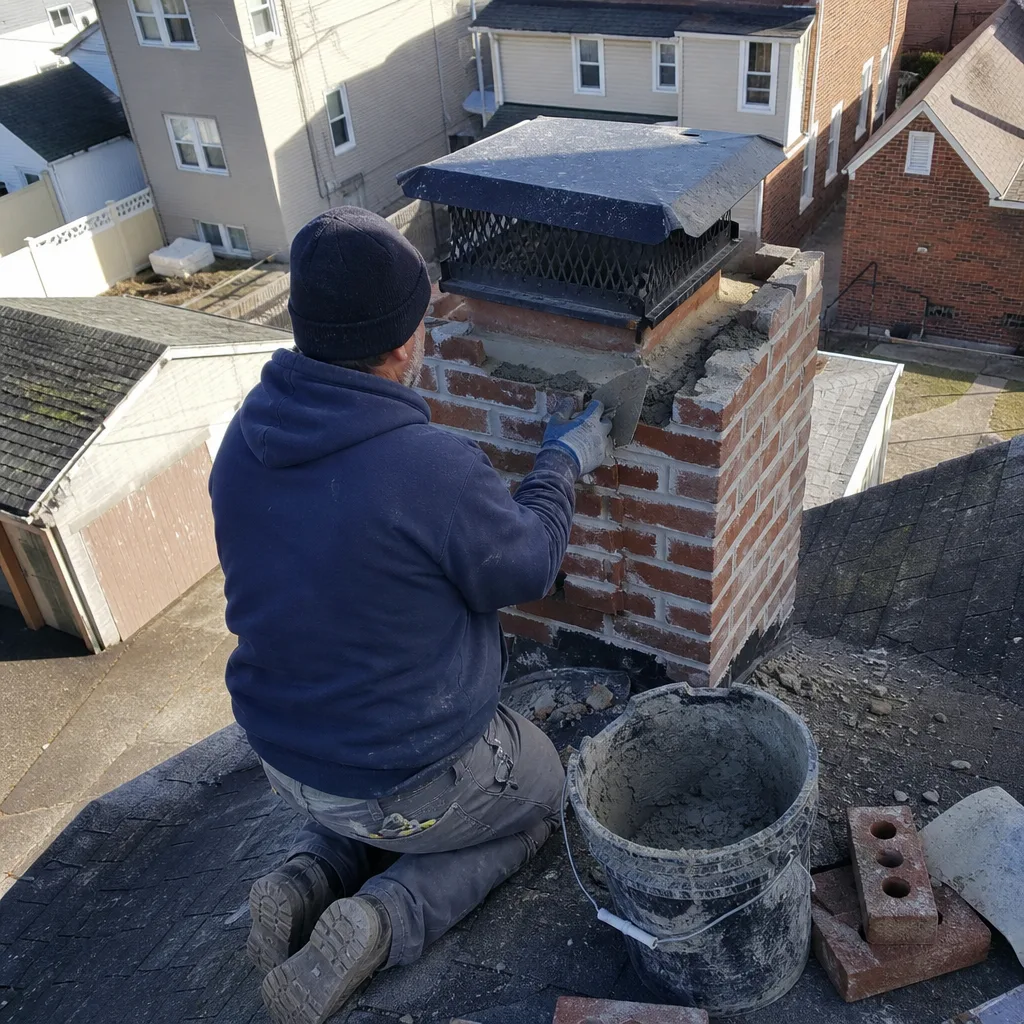
There is no single “permit” document for chimney maintenance in New Jersey. The document that satisfies a code official, an insurance adjuster, and a future buyer simultaneously is not a permit; it is a written inspection and maintenance record that contains specific information. Here is what the record must include:
- Property address and inspection date. The document must tie the observation to the specific house and the specific date.
- Technician identification. A named, background-checked technician, not a generic company signature. This is part of Haven Standard Clause 3: Arrive on schedule, verified crews.
- Inspection level performed. The record must state “Level 2 inspection to NFPA 211” or “Level 1 inspection” so the reader knows the standard that was applied.
- Interior flue condition. A written description of the liner: material (clay, stainless steel, etc.), condition (spalling, cracked, void, intact), and any observed deficiencies.
- Photo evidence. Dated photos from the camera scan, labeled with the location (e.g., “flue section 12 feet above firebox”). This is the core of Haven Standard Clause 4, and the reason we have run a continuous photo archive on every job since 2009.
- Creosote classification. The record should state the creosote class (Class I, II, or III) in the NFPA 211 terms. A homeowner does not need to know the difference, but the adjuster does.
- Written price and scope. The written scope, signed before work begins, is part of the record and protects the homeowner against scope creep. It is Haven Standard Clause 1: Have it in writing.
- Written warranty. A warranty with a term, not a verbal promise. The 365-Day Done Right Promise is our version: if it’s not done right, we make it right, and it’s stamped on every job.
This record, kept in a folder or digital file, is the single most useful document a Paterson homeowner can have. It answers every question a code official, adjuster, or buyer is likely to ask, and it eliminates the “he said, she said” ambiguity that kills claims and delays sales.
Step-by-Step: What to Do Before You Book a Chimney Service in Paterson
If you are planning to sell, file a claim, or simply want to know your chimney is safe, here is the sequence we recommend - drawn from our Chimney Cleaning & Sweep Maintenance Checklist for Paterson Homeowners - based on how the code and enforcement process actually works in Paterson:
- Determine your situation. Are you selling within 12 months? Has there been a chimney fire, a storm, or a fuel-purchase change (converting from wood to gas)? If yes to any, you will likely need a Level 2 inspection to NFPA 211.
- Pull your existing records. Find any prior sweep invoices, receipts, or inspection reports. If you don’t have any, that itself tells you something: you have no maintenance documentation, which is the single biggest reason claims are denied.
- Book a documented inspection. Not a “check” - an inspection that uses a camera scan and produces a photo record. Ask before booking whether the photo record is included or an extra charge. For us, it is included on every visit, and has been since 2009.
- Get the written price and scope. The written quote should include exactly what will be done, what the total is, and what the warranty is. If a company refuses to put a price in writing before starting, walk away. That is Haven Standard Clause 1.
- Review the findings before work proceeds. The technician should walk you through the camera video or stills and explain what they show. You should be able to see the condition yourself, not just trust a verbal summary.
- Keep the completed record. File the written report, the photos, and the invoice in a dedicated folder. You will need them for a future sale, a claim, or a permit application.
Common Mistakes to Avoid
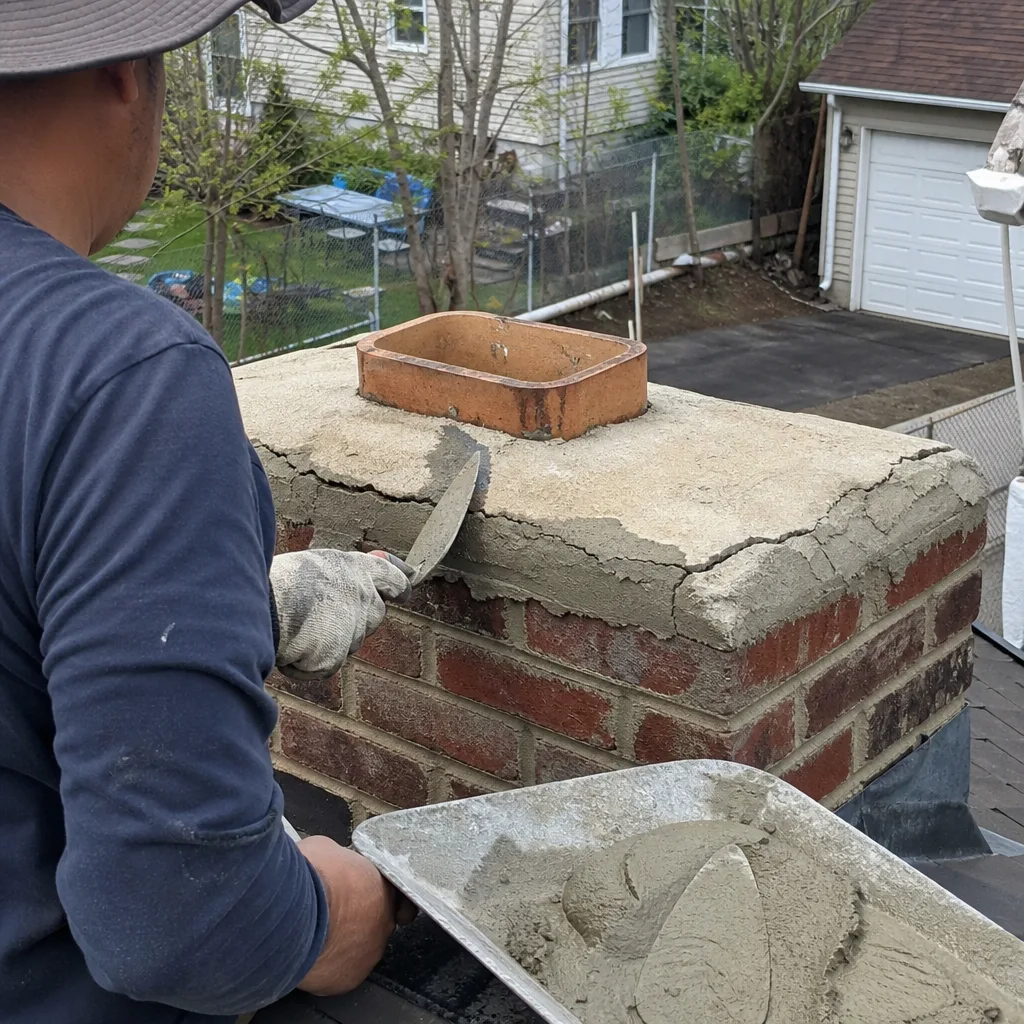
- Assuming “cleaned” equals “documented.” A receipt for a sweep without photos or a condition report is nearly worthless to an insurance adjuster. Demand the photo record.
- Skipping the permit on a relining job. Some contractors will offer to reline without a permit. The work may be fine, but the lack of a post-work inspection means the job has no official verification, and future claims or sales can be denied on that basis.
- Using the cheapest sweep before a sale. A cut-rate cleaning company that does not inspect to NFPA 211 Level 2 will not satisfy the buyer’s lender or insurer. You will end up paying for two inspections.
- Waiting until after a chimney fire to start documentation. Documentation must exist before the loss, not after. An insurer will look at the record history, and a record created after the fire is not useful.
- Confusing a Level 1 visual check with a Level 2 inspection. A flashlight look at the visible part of the chimney is not a Level 2 inspection. The Level 2 standard requires a camera scan of the interior flue.
- Ignoring the small findings. A “minor” crack noted in an inspection is not minor if it lets carbon monoxide into the house. Address it while it is a repair, not after it becomes a rebuild.
When to Call a Professional
Call a professional if you are selling your home and the buyer’s inspector has flagged the chimney; if you’ve had a chimney fire, even a small one; if you smell smoke in the house after using the fireplace; if you see loose brick or crumbling mortar on the exterior stack; or if you have not had the flue camera-scanned in the last three years. These are the conditions where code compliance and documentation matter most.
Level Two Chimney Paterson offers free estimates in Paterson - call (862) 356-5229. We will provide a written price and scope before any work begins, and every visit includes a camera-scan inspection and photo record under Haven Standard Clause 4. Bring us a competitor’s written quote, and we’ll give you a free second opinion.
We work throughout Paterson, including Eastside, Lakeview, Hillcrest, South Paterson, and Wrigley Park, and our fireplace services in Paterson cover the full range from standard sweeps to full liner replacements. For questions about a specific chimney condition, start with a Level Two Chimney Paterson home visit, and we’ll answer plainly.
Frequently Asked Questions
No, routine chimney cleaning is permit-exempt under the New Jersey Uniform Construction Code. The work is considered maintenance, not structural alteration. However, if the cleaning reveals damage that requires relining or rebuilding, the repair work will require a permit.
Permit fees in Paterson vary by the scope and valuation of the work. A typical relining permit is calculated as a percentage of the total project cost, and the fee is typically a few hundred dollars. For an exact quote based on your specific project, call (862) 356-5229 and we’ll give you a written price including the permit cost.
An NFPA 211 Level 2 inspection with camera-scan photos and a written condition report is the documentation most likely to satisfy an insurance carrier after a chimney fire. A simple cleaning receipt without photos or a condition report is often considered insufficient. The documentation must exist before the loss, not after.
Technically yes, but the buyer’s lender or insurance underwriter may require an NFPA 211 Level 2 inspection before the mortgage is approved. For older Paterson homes with masonry chimneys, this is common. A pre-listing Level 2 inspection gives you the documentation to negotiate without a time crunch.
The only way to know is to see the camera footage. At Level Two Chimney Paterson, we will not recommend a liner replacement without camera evidence you can review yourself. If the liner is intact and properly sized, we will say so in writing. That is the difference between a documented inspection and a sales pitch. Call (862) 356-5229 for a free estimate and see the photos for yourself.
NFPA 211 recommends annual inspection and cleaning as needed for wood-burning fireplaces. In Paterson, where many homes have older masonry chimneys that were built without modern clearances, we recommend at least a Level 2 inspection every three years for documentation purposes and annual cleaning if you burn regularly.
Creosote accumulates and becomes a chimney fire risk; moisture degrades the liner and crown; and carbon monoxide can leak into the home if the flue cracks. If a fire occurs and you have no maintenance documentation, your insurance claim is likely to be denied. The cost of a documented sweep is a fraction of the cost of a denied claim or a liner rebuild. Call (862) 356-5229 for an exact quote - estimates are free.
The Bottom Line
Routine chimney cleaning in New Jersey needs no permit. Relining, rebuilding, and structural changes do, and those permits trigger inspections that are much easier to pass when you already have a camera-recorded inspection history. The smartest thing a Paterson homeowner can do is this: have a Level 2 inspection to NFPA 211 every time the system changes or the house sells, keep the written record with photos, and never accept a recommendation you cannot see with your own eyes. Documentation is not an add-on. It is the whole point. For more guides & resources, visit our blog.
Written by Corrine Halstead, Owner at Level Two Chimney Paterson, serving Paterson since 2009.