
Last updated September 20, 2026
Level 1 sweep and inspection to the NFPA 211 annual standard - flue, crown, cap, and flashing checked and photographed
Chimney sweep logs do not sweep chimneys. They loosen some creosote - which then falls where a brush and vacuum still have to collect it.
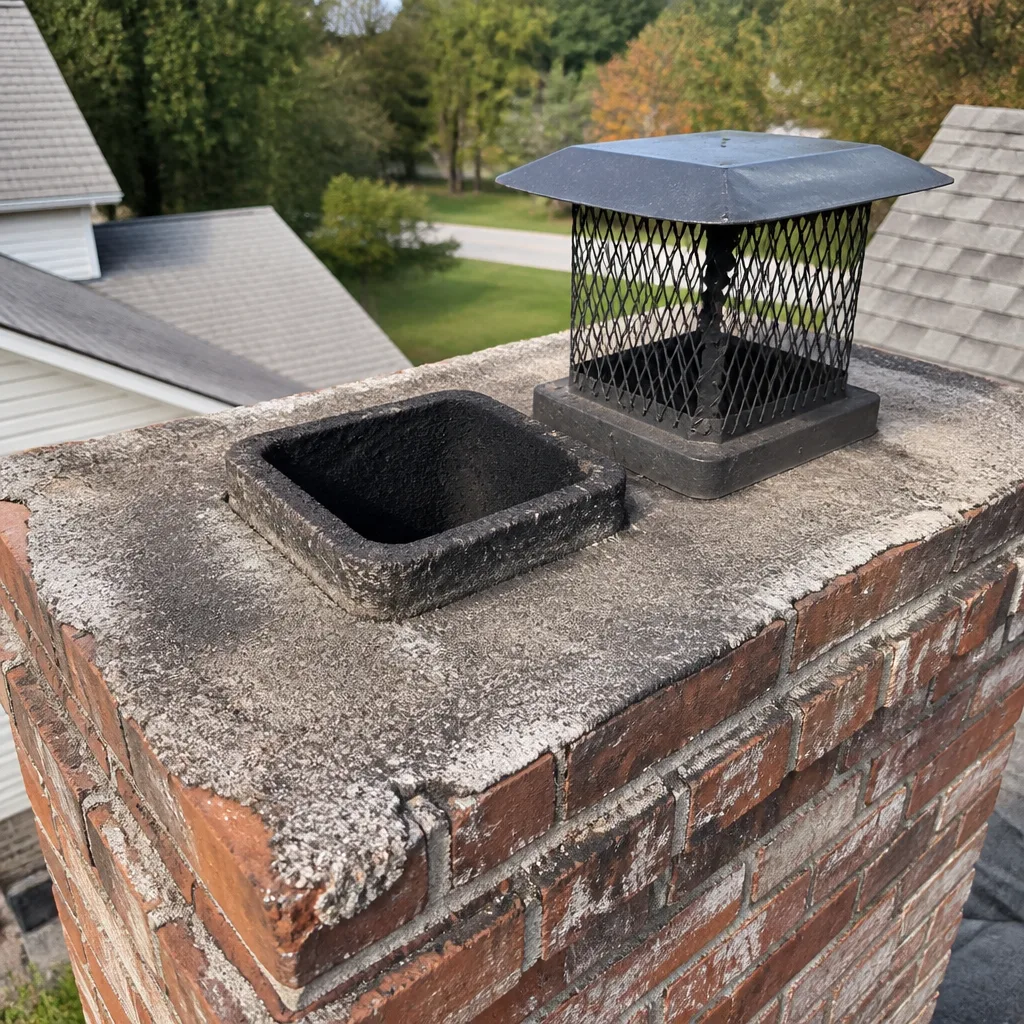
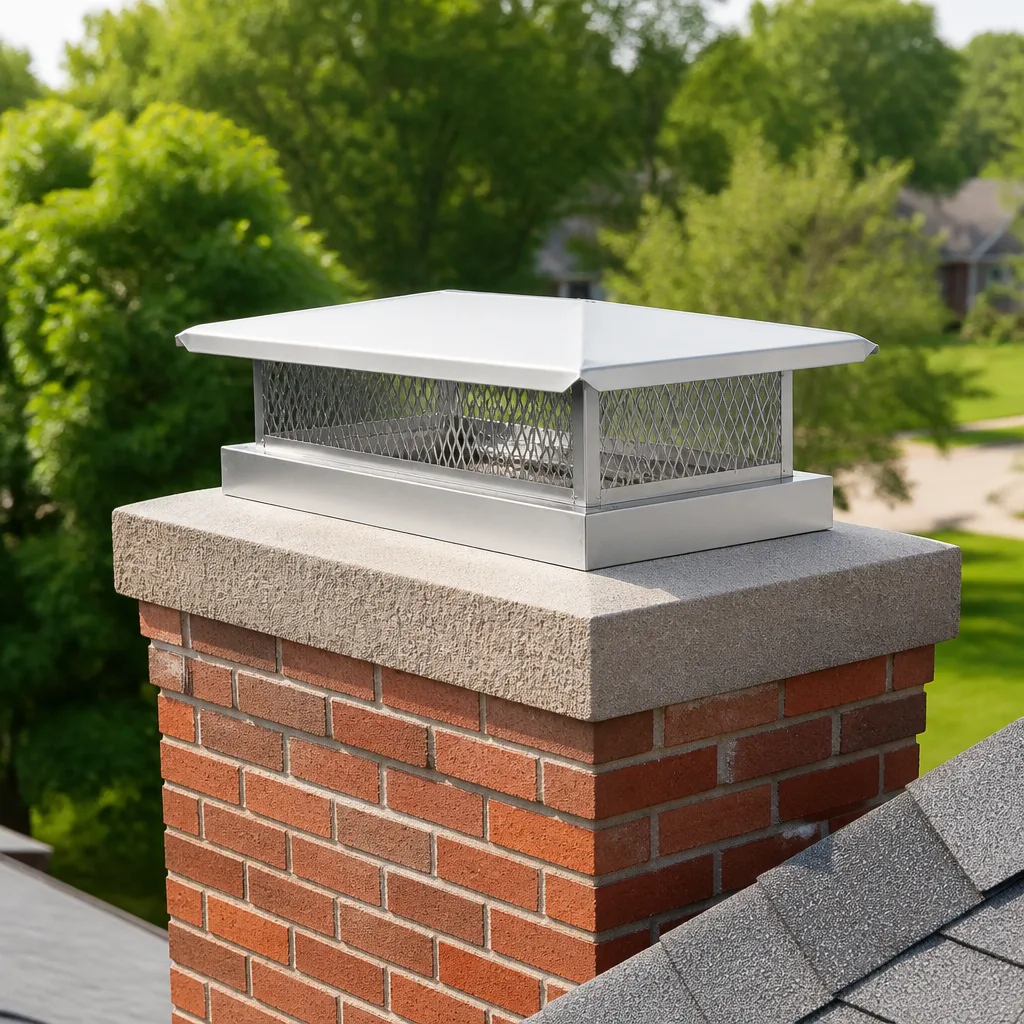
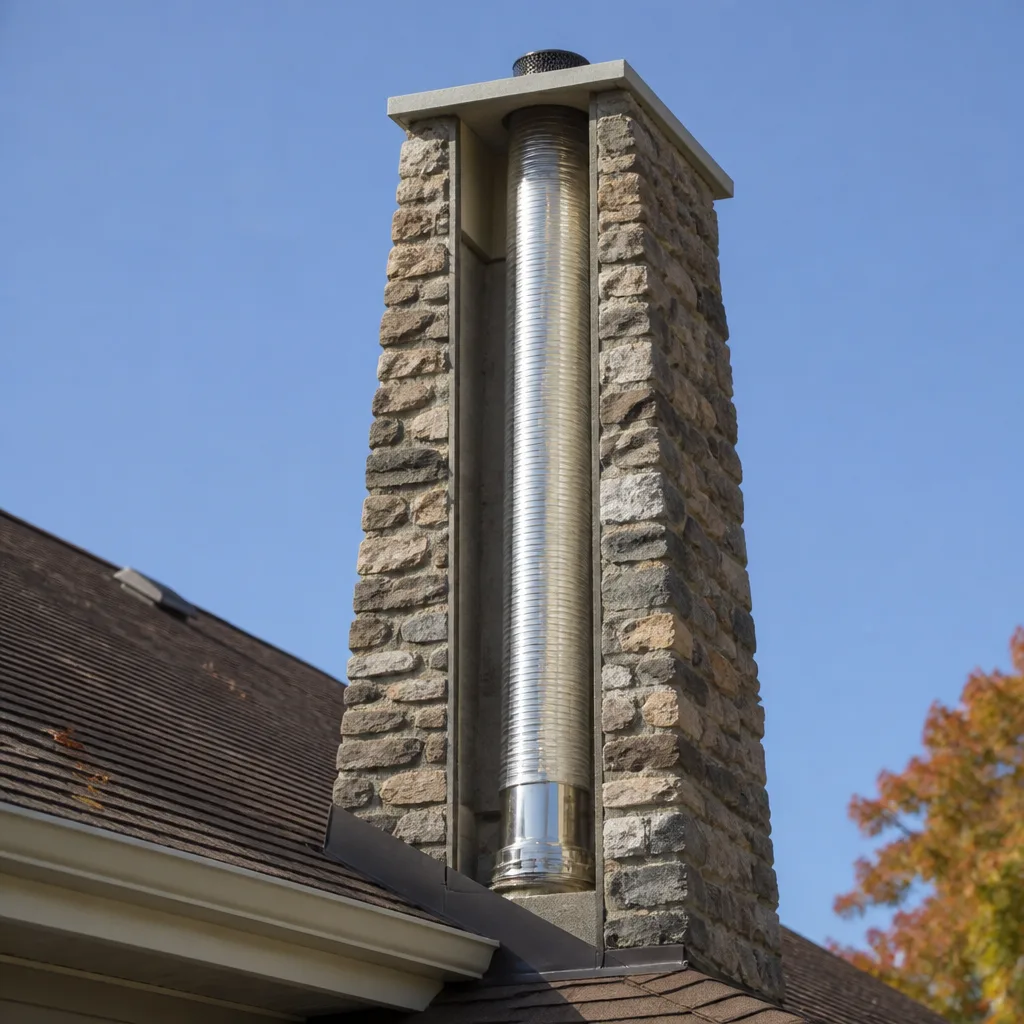
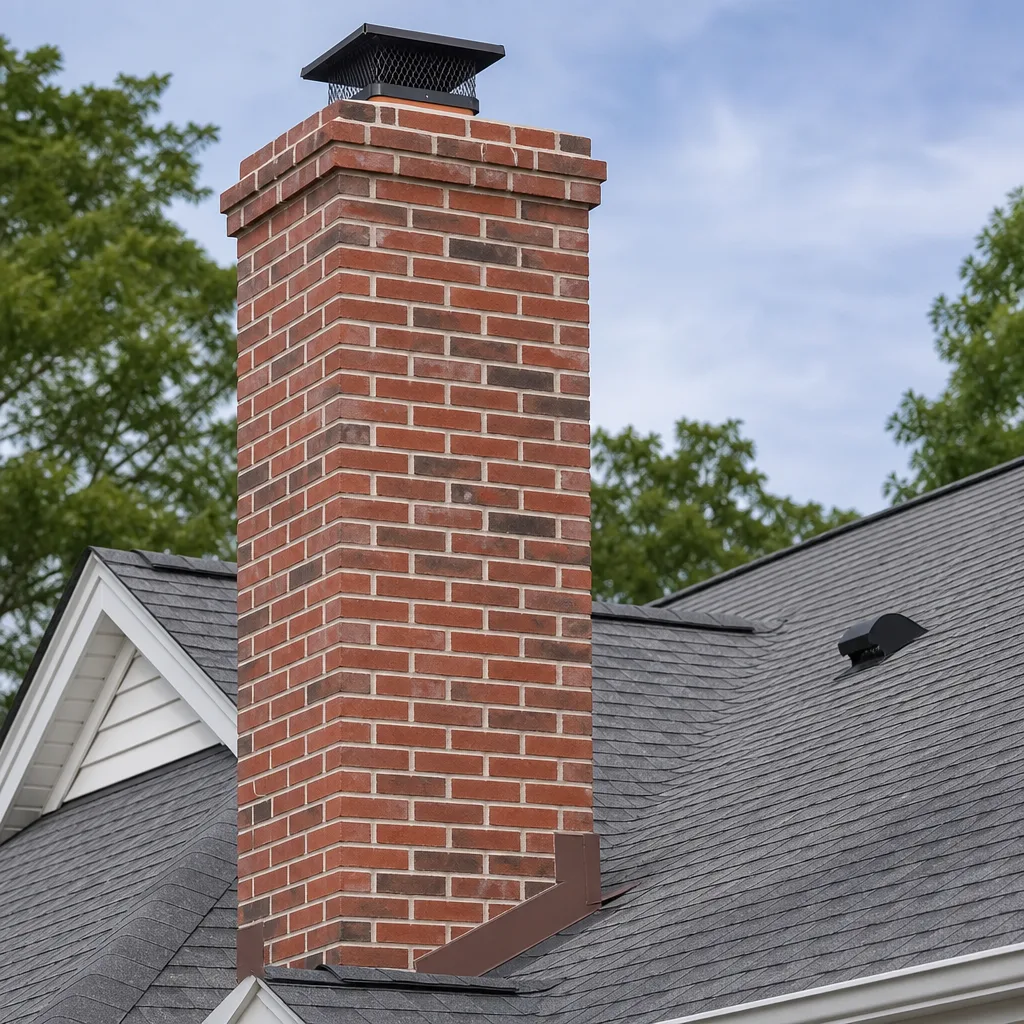
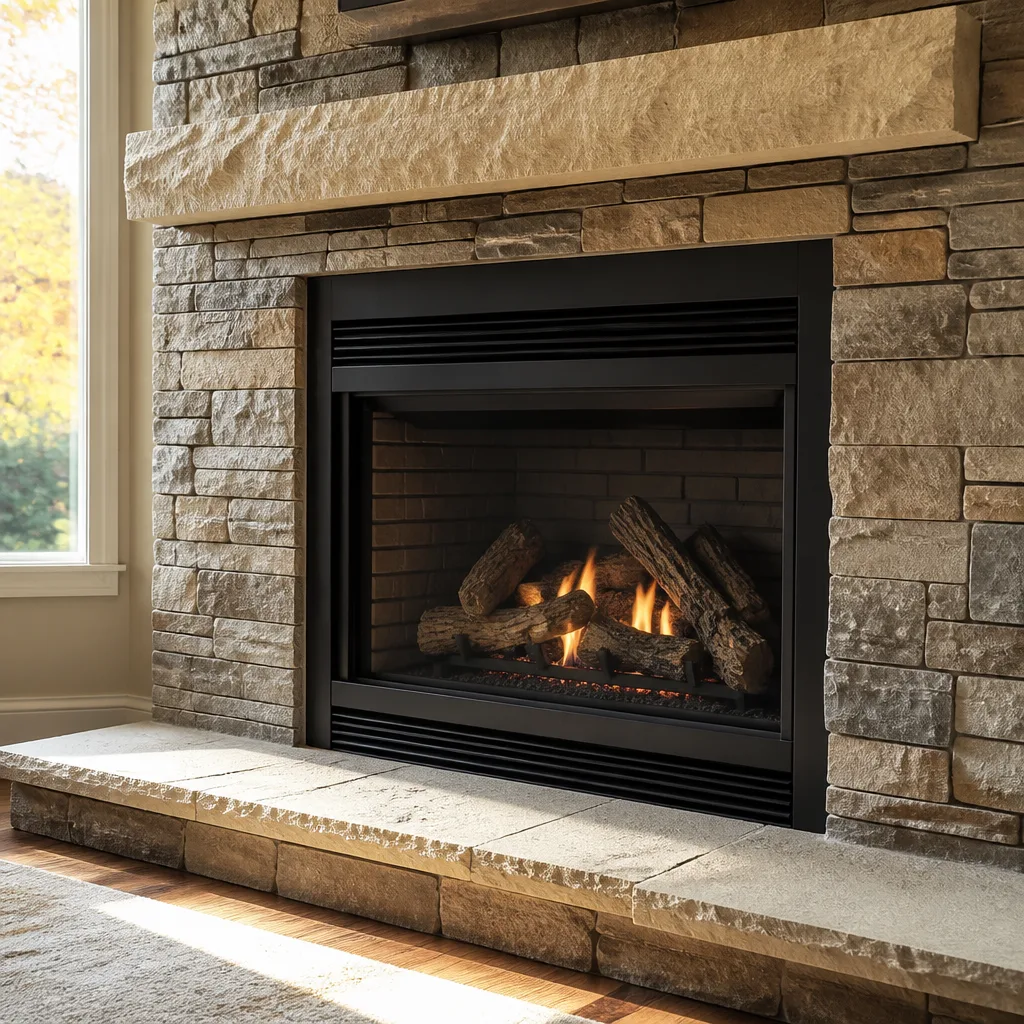
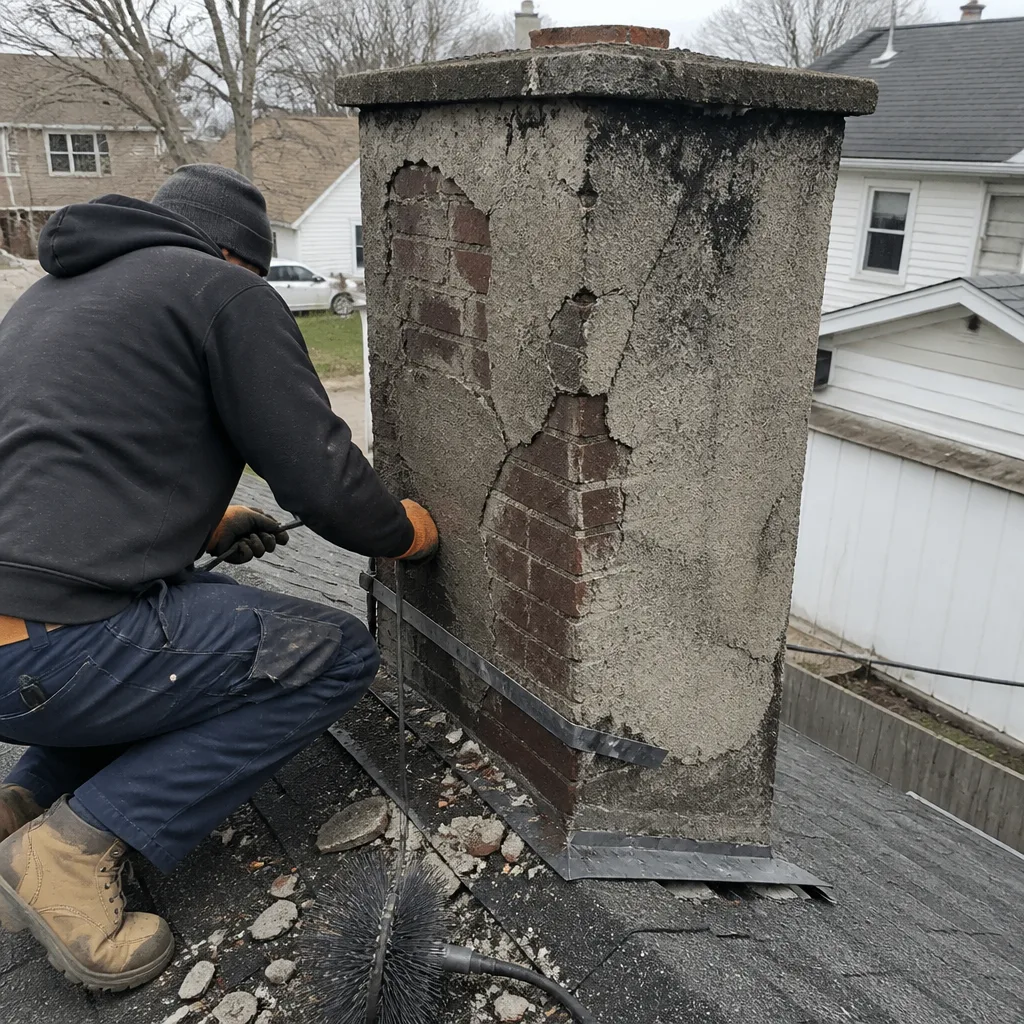 Before
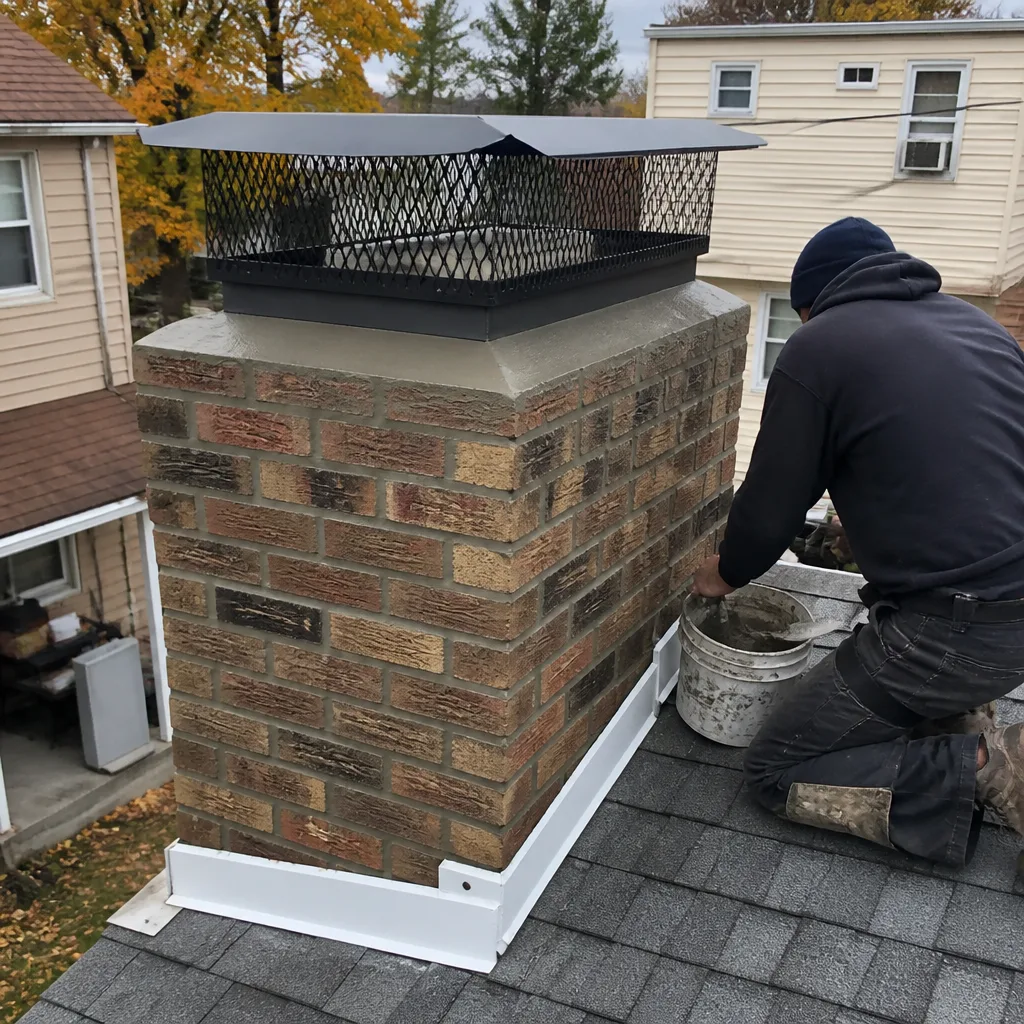 After
After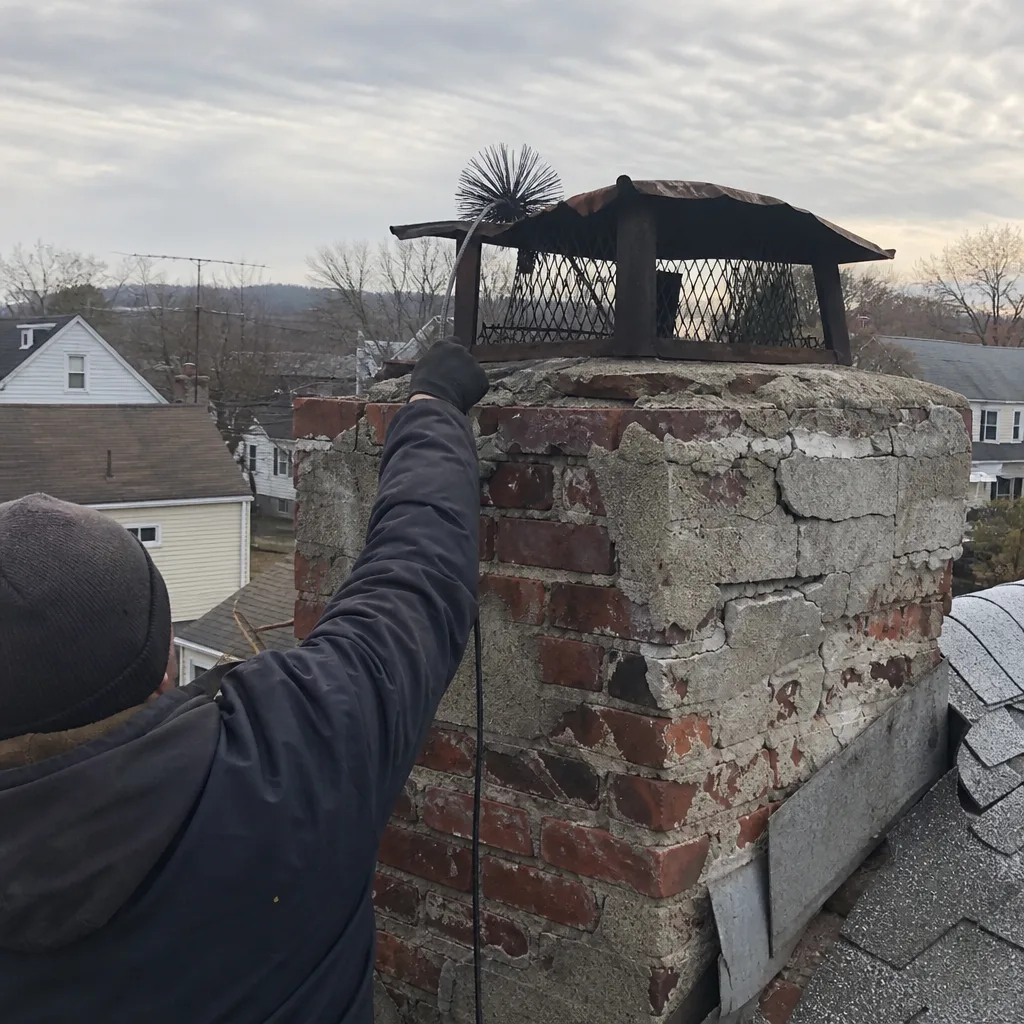 Before
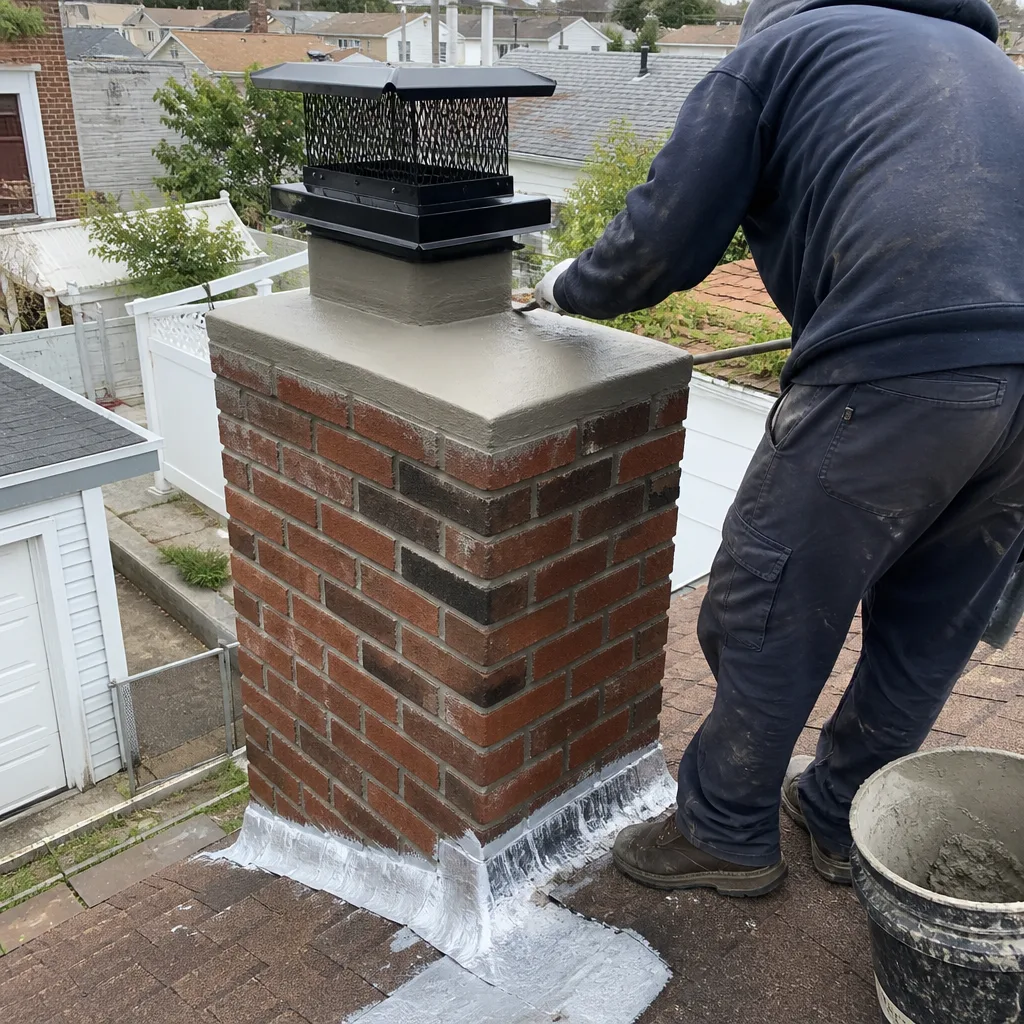 After
After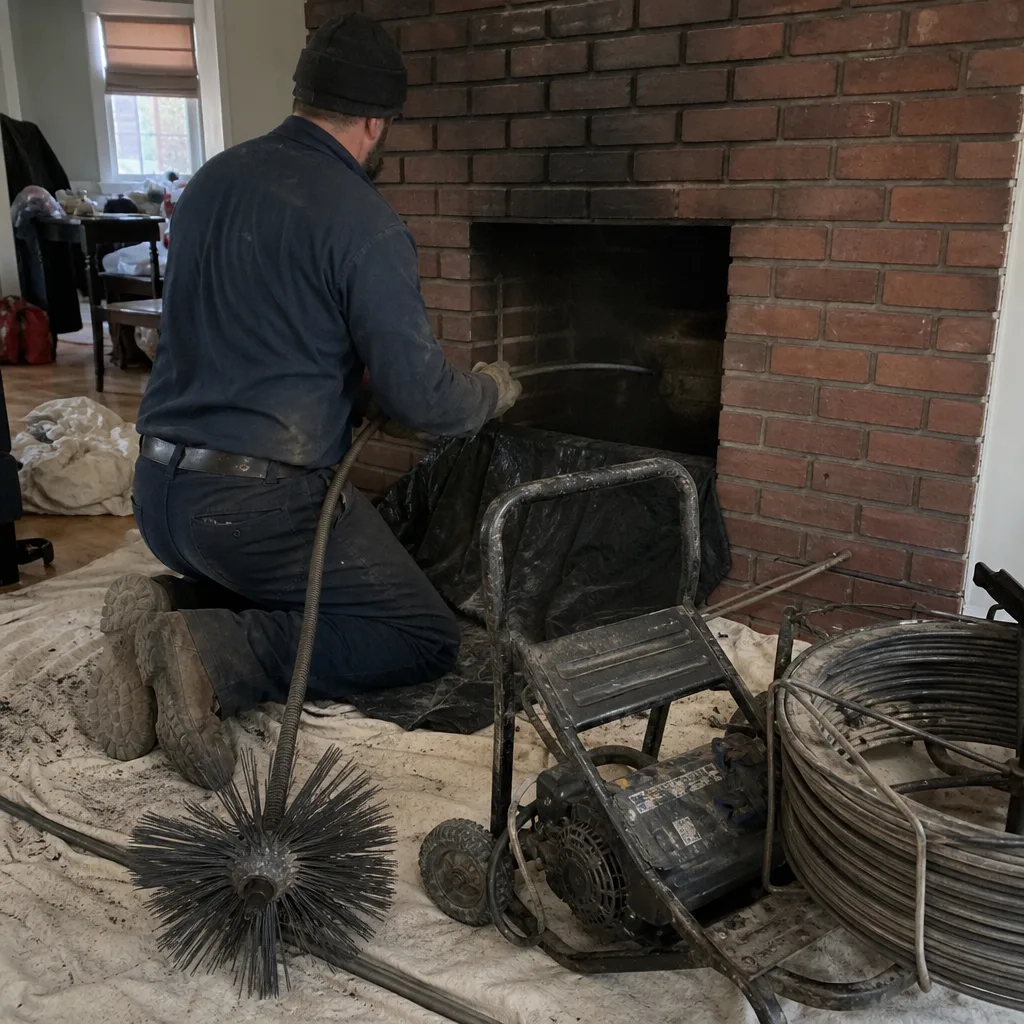 Before
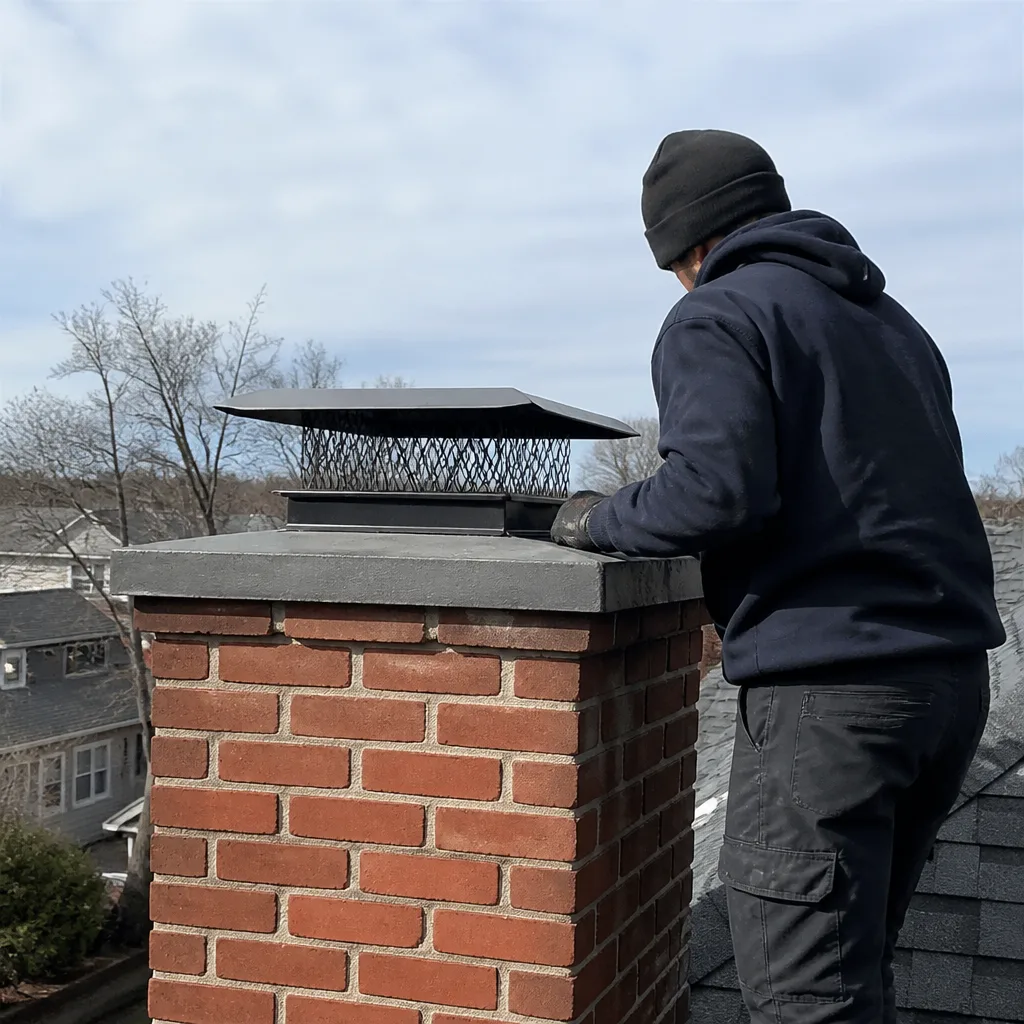 After
AfterChimney Cleaning Warning Signs: A Paterson Homeowner’s Reference Guide
The most dangerous chimney warning sign in a Paterson home is also the one you will never see. Stage 3 glazed creosote - the tar-like substance that fuels most chimney fires - builds up on the flue walls where no amount of crouching at the hearth with a flashlight will reveal it. A chimney can look spotless from below and still carry a quarter-inch of combustible glaze three feet above the damper. This guide walks through the warning signs that actually show up in a Passaic County house: what they look like, what they mean, and which ones mean stop using the fireplace today. For a deeper dive, see The Complete Guide to Chimney Cleaning in Paterson.
Quick Answer
Common chimney cleaning warning signs in Paterson homes include a strong campfire-like odor in humid weather, black or shiny creosote visible on the damper or firebox walls, smoke rolling into the room instead of up the flue, white staining (efflorescence) on the exterior brick, and animals or debris sounds coming from the chimney. Any one of these warrants a professional inspection; several together usually indicates the flue needs cleaning and likely repair, not just a sweep.
Table of Contents
- The Campfire Odor That Won’t Go Away
- Creosote You Can See vs. Creosote You Can’t
- Smoke Behavior: Rollout, Backdraft, and Slow Clearing
- White Stains on Brick: Efflorescence and What It Actually Signals
- Spalling Brick and Freeze-Thaw Damage in Paterson
- Animal Sounds, Debris, and Nesting
- What a Camera Scan Reveals That a Flashlight Cannot
BeforeAfterThe Campfire Odor That Won’t Go Away
A faint wood-smoke smell in the living room a day after a fire is not “normal,” but it is common. In Paterson’s older housing stock - much of it brick construction from the 1920s through 1960s - the smell usually traces to one of three things: creosote buildup absorbing moisture on humid days, a partially blocked flue that is not drafting fast enough to clear combustion byproducts, or a downdraft reversal pushing air from the chimney back into the house. Each has a different fix and a different level of urgency.
When we inspect a Paterson home with a persistent smoke smell, the camera down the flue usually settles the question in under ten minutes. A heavy creosote layer looks like black frosting on the flue walls - and creosote absorbs moisture from the air, which releases that sharp campfire smell on muggy July days. A flue blocked by a squirrel nest or years of soot and a dead bird will force smoke to linger and drift back down. The odor is the notice, not the problem itself.
What fixes it: a full chimney cleaning and sweep removes the creosote and the organic material causing the smell. If the odor returns within weeks of cleaning, the flue liner usually has cracks or gaps allowing moisture and gases to collect - and that points toward chimney repair in Paterson rather than repeated sweeping.
Creosote You Can See vs. Creosote You Can’t
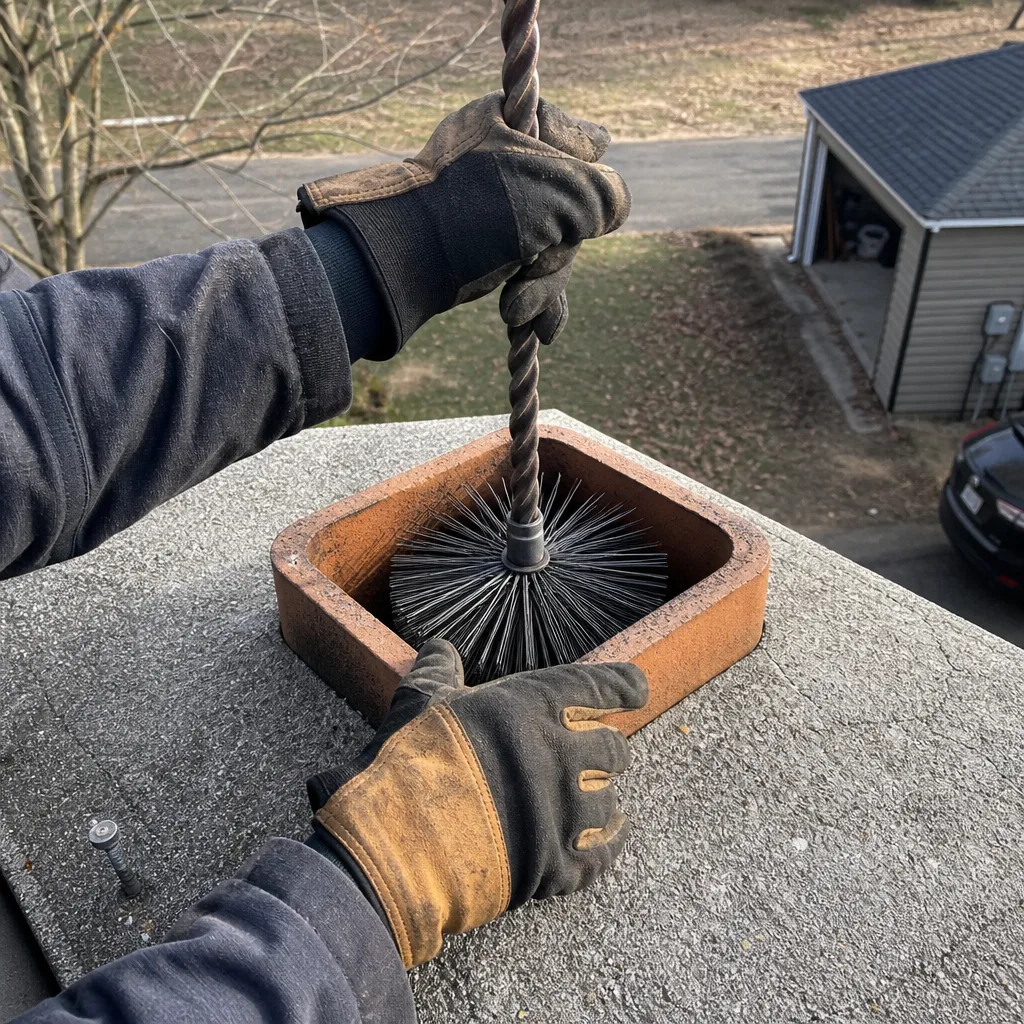
Creosote forms in three stages, and the one you can see from the fireplace opening is rarely the worst of it. Stage 1 is a flaky, dull black soot that brushes off easily. Stage 2 is a shiny, brittle flake that looks like crushed black glass. Stage 3 is a thick, tar-like glaze that flows when hot and burns at temperatures above 2,000°F - hot enough to crack flue liners and ignite a chimney fire. By the time Stage 3 creosote is visible at the damper level, it has already been building higher in the flue for months or years.
- Stage 1 - powdery soot: Normal byproduct of wood fires. A sweep removes it. Safe to use the fireplace until your scheduled cleaning if visible buildup is light.
- Stage 2 - shiny black flakes: Formed from lower-temperature fires or burning unseasoned wood. Indicates the flue is running cooler than it should. Needs a sweep soon; repeated Stage 2 finds suggest a liner sized wrong or a damper that is not open fully.
- Stage 3 - glazed tar: A fire hazard. This is what chimney sweeps in Passaic County mean when they write “glazed creosote” on an inspection report. It generally requires chemical treatment or mechanical removal with rotary tools, and the chimney should not be used until it is gone.
The unpleasant truth is that a visual check from the firebox opening cannot tell you which stage you have past the first few feet of flue. That is why we made camera-scan documentation the default on every chimney cleaning and sweep in Paterson back in 2009 - the photo record shows the creosote class in the upper flue, not just the section you can crouch and squint at.
Smoke Behavior: Rollout, Backdraft, and Slow Clearing
Before any creosote is visible, smoke behavior will tell you more about the chimney than a visual inspection. A correctly functioning chimney moves smoke up and out in a continuous draw. When the draft fails, the smoke has to go somewhere - and that “somewhere” is usually back into the room. Different draft failures point to different flue problems.
Smoke rollout from the front of the firebox means the chimney cannot establish draw at all. The most common causes we see in Paterson are a cold flue (common in uninsulated masonry chimneys on January mornings), a closed or partially closed damper, or a flue blocked by a nest. If the damper is open and the chimney was swept recently, rollout usually means the flue is too large for the fireplace or there is a structural obstruction.
Slow clearing after the fire is lit - smoke that gathers at the top of the firebox and takes a minute to pull upward - usually indicates creosote narrowing the flue passage or a chimney cap screen that has clogged with soot. It is a sign that the chimney works but is losing capacity. If it is worsening season over season, the flue is getting progressively narrower, and that is a maintenance problem, not a quirk.
Backdraft on cold start or windy days - smoke comes back down the chimney before the fire even gets going - points to negative pressure inside the house running against the chimney’s draw. Tightly-sealed newer windows and doors, range hoods vented outside, or a house in a low spot in Paterson’s river valley can all create this. A chimney cap designed to resist wind can help, but if the backdraft persists with the fireplace doors open and competing exhausts turned off, the flue itself needs inspection.
White Stains on Brick: Efflorescence and What It Actually Signals
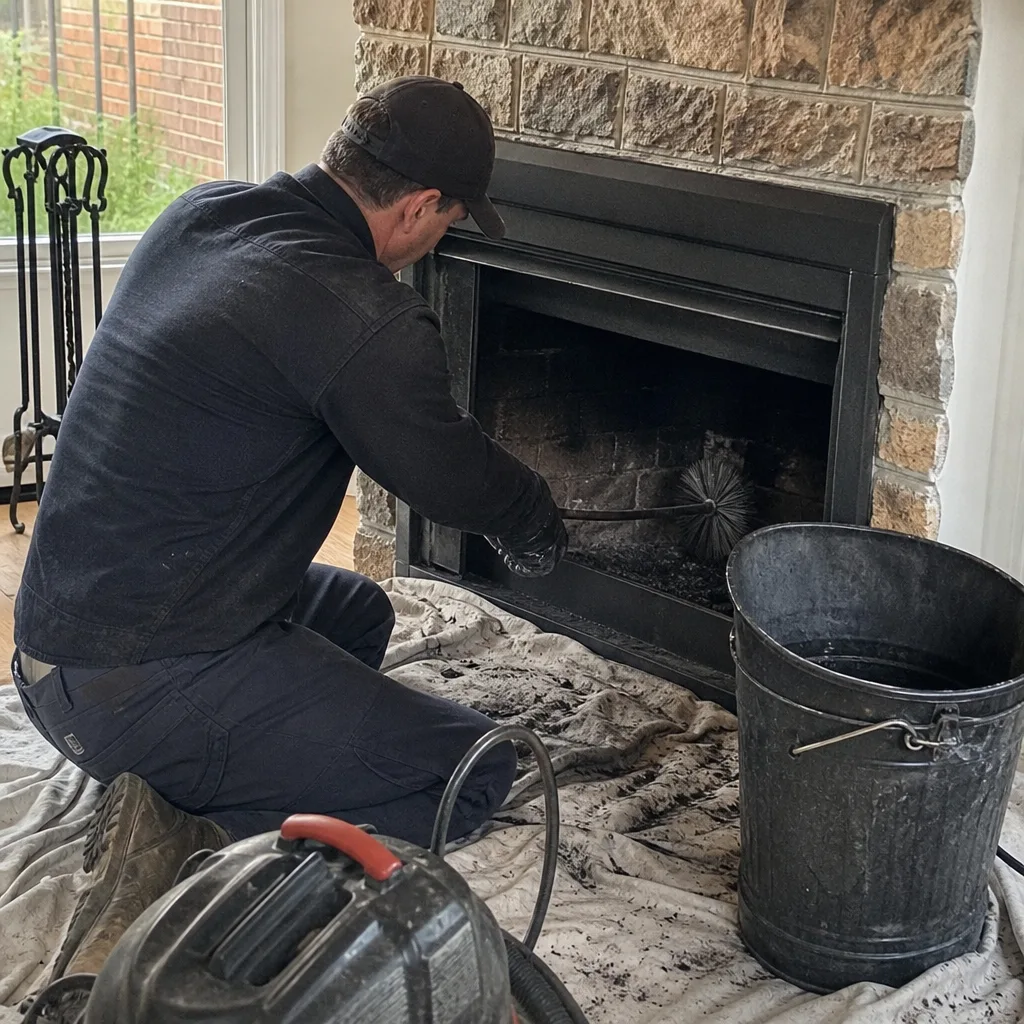
The white, chalky stains that appear on brick chimneys across Passaic County are called efflorescence, and the name gets used dismissively - “just cosmetic” is the phrase we hear most often from homeowners whose inspectors mentioned it in passing. That reading is wrong. Efflorescence means water is moving through the masonry. The white deposit is salt that water dissolved inside the brick or mortar and then left behind on the surface as the water evaporated. It is not the problem; it is the receipt for the problem.
- Active efflorescence is white, powdery, and wipes off with a finger. Water is actively moving through the chimney structure. This is a moisture pathway.
- Dormant efflorescence has hardened and does not wipe off easily. The water event happened in the past, but the salts remain in the brick.
- Clustered efflorescence near the crown or along one vertical line of bricks points to a specific leak - a cracked crown, a failed flashing joint, or a missing mortar joint at that exact location.
On a Paterson chimney built with early- to mid-century brick, the brick itself tends to be softer than modern fired units. Water that soaks into older brick and then freezes expands inside the pore structure and shoves the brick apart from within. Efflorescence on a 70-year-old Passaic County chimney is not cosmetic - it is the early warning sign for the freeze-thaw damage that will eventually require a rebuild. A sweep cannot fix this. The chimney needs a repair assessment, and the moisture source needs to be identified and closed off.
Spalling Brick and Freeze-Thaw Damage in Paterson
Spalling is what efflorescence looks like when you ignore it for enough Paterson winters. Spalled brick loses its face - you will find chunks and flakes of brick on the roof or at the base of the chimney, and the brick itself looks pitted, flaky, or hollow-backed where the outer surface has popped off. The cause is almost always water. Water soaks into the porous face of the brick, freezes during the winter temperature cycles common in this part of New Jersey, and expands by about 9% as ice. That expansion pressure shatters the brick from the inside out.
Paterson’s placement in the Passaic River valley means chimneys here see more freeze-thaw cycles per winter than uphill towns to the west. A chimney that survives on fifty cycles a year in a colder-but-drier climate can see seventy or eighty cycles here, with daytime thaws running snowmelt into the masonry and overnight freezes locking it in. The brick age matters too: homes built in the 1920s through 1950s predate modern mortar chemistry and often used softer local brick. When that brick starts to spall, structural deterioration follows quickly.
What cleaning or repair addresses it: a sweep resolves creosote, not masonry failure. Spalling requires tuckpointing of the failing mortar joints, replacement of the damaged brick units, and - in advanced cases - a crown rebuild or a partial chimney rebuild. The right materials matter here: we source brick and crown repair components through the same suppliers we have used since 2009, including Olympia Chimney and Copperfield products, because compatible materials last longer than whatever is on sale at a home center.
Animal Sounds, Debris, and Nesting
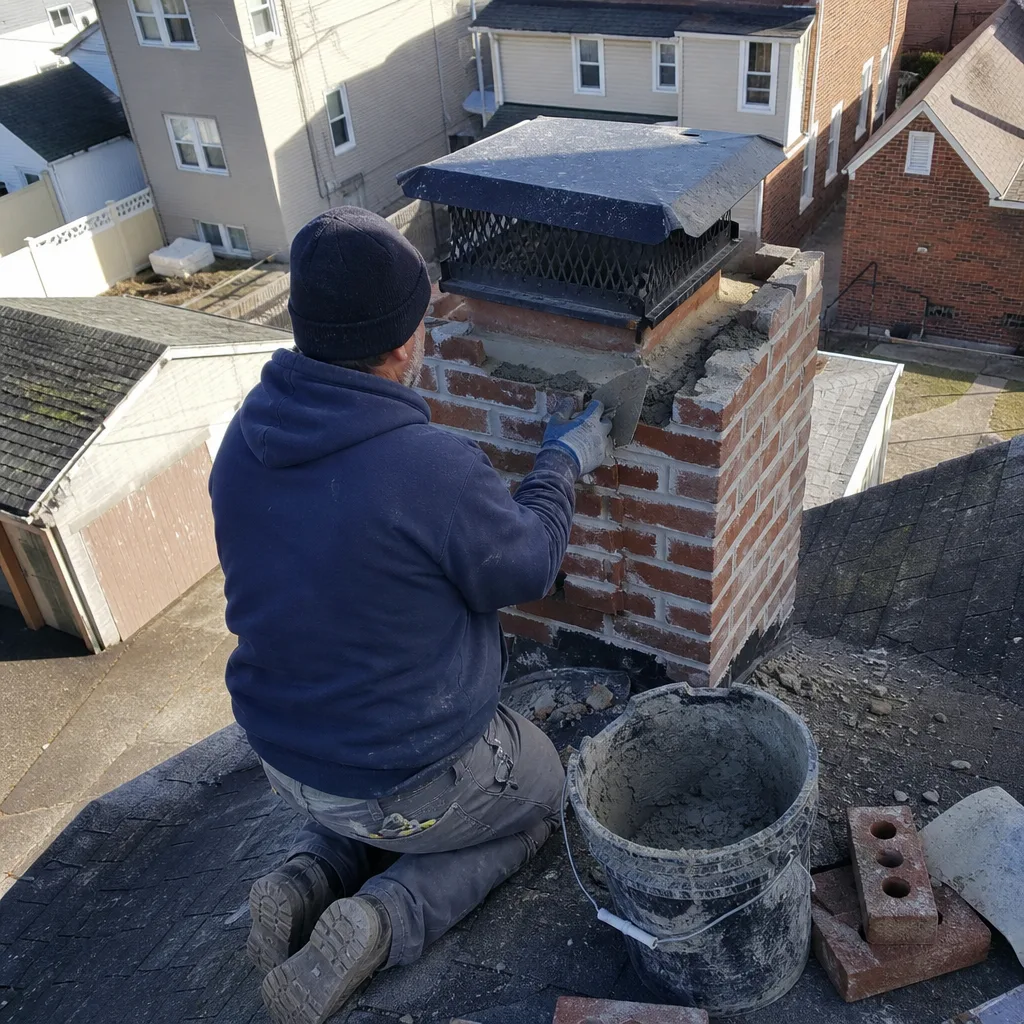
Paterson’s chimney population is a real thing. Squirrels, raccoons, and chimney swifts all make themselves at home in uncapped flues, and the sign is usually sound before it is sight: scratching at dawn or dusk, chittering in the flue, or the heavy scrabbling of a raccoon on an interior chimney wall. A dead animal fall is quieter - just a smell that intensifies over a week and then becomes unbearable. None of those animals care about your creosote schedule, but all of them create a flue obstruction and a fire hazard.
- Squirrel nests are compact masses of leaves, twigs, and insulation packed inside the flue. We have pulled nests large enough to fill a five-gallon bucket from Paterson chimneys.
- Raccoons prefer the smoke chamber just above the damper - big enough to den in, close enough to the house to stay warm, and protected from rain by the flue above.
- Chimney swifts are federally protected. By law in New Jersey, an active swift nest cannot be removed until the birds have migrated in late summer. A professional chimney company knows the seasonal rules.
- Dead animals - usually squirrels that fell in and could not climb out - often dead-block a flue and then decompose. The sweep removes the remains, and the chimney is disinfected where needed.
The stubborn part of animal issues is that most Paterson homeowners correctly diagnose the sound but incorrectly guess the remedy. They live-trap the squirrel in the attic and assume the chimney is clear. The nest, the scent-marking, and the acidic waste stay behind - and the odor gets worse after the animal is gone. What is actually needed is removal of the nesting material, a cleaning of the flue walls, and a properly-fitted chimney cap installed to keep the next animal out. See How to Hire a Chimney Cleaning Contractor in Paterson: A Step-by-Step Guide for what to ask any company doing this work. The cap is not an accessory. It is the only thing standing between your flue and the next raccoon.
What a Camera Scan Reveals That a Flashlight Cannot
A flashlight inspection from the firebox opening can see about four feet up a typical masonry chimney. A Paterson chimney runs twenty to forty feet from firebox to crown. The math explains the rest. The flue can be caked with glazed creosote at the eight-foot mark, cracked at the fourteen-foot mark, and housing a squirrel nest at the twenty-foot mark - and the flashlight inspection will call that chimney “clean.” It is not a matter of the inspector being careless; it is a physical limit of the method. You cannot see what the geometry hides.
A camera scan - what the NFPA 211 standard designates as part of a Level 2 inspection - runs a high-resolution camera up the entire flue and documents everything from the firebox to the crown. The specific defect categories it catches that a visual check cannot:
- Mid-flue creosote class: A camera shows whether the creosote is Stage 1 soot or Stage 3 glaze, at every height in the flue, on video that can be reviewed later.
- Liner cracks and gaps: Clay tile liners crack under repeated thermal stress. A camera catches hairline separations between tiles that can allow hot gases into the masonry.
- Partial collapses: A shifted or fallen clay tile inside the flue is one of the most common camera findings in older Paterson chimneys. A fire below a collapsed tile has no safe path to vent.
- Unlined sections: Some older homes in Passaic County were built with no liner at all, or with a liner that stops short of the full flue height. The camera shows where the liner ends.
- Hidden blockages: Nests, dead animals, fallen debris, and years of hardened soot all photograph differently on camera - and all appear where a flashlight cannot reach.
We made camera-scan documentation the standard on every job in 2009, and we have kept the archive since. That photo record - which every chimney cleaning in Passaic County performed under our company gets included - is what separates a defensible maintenance decision from a guess. You should never be asked to approve a repair you have not seen documented.
When the Flue Liner Needs More Than a Sweep
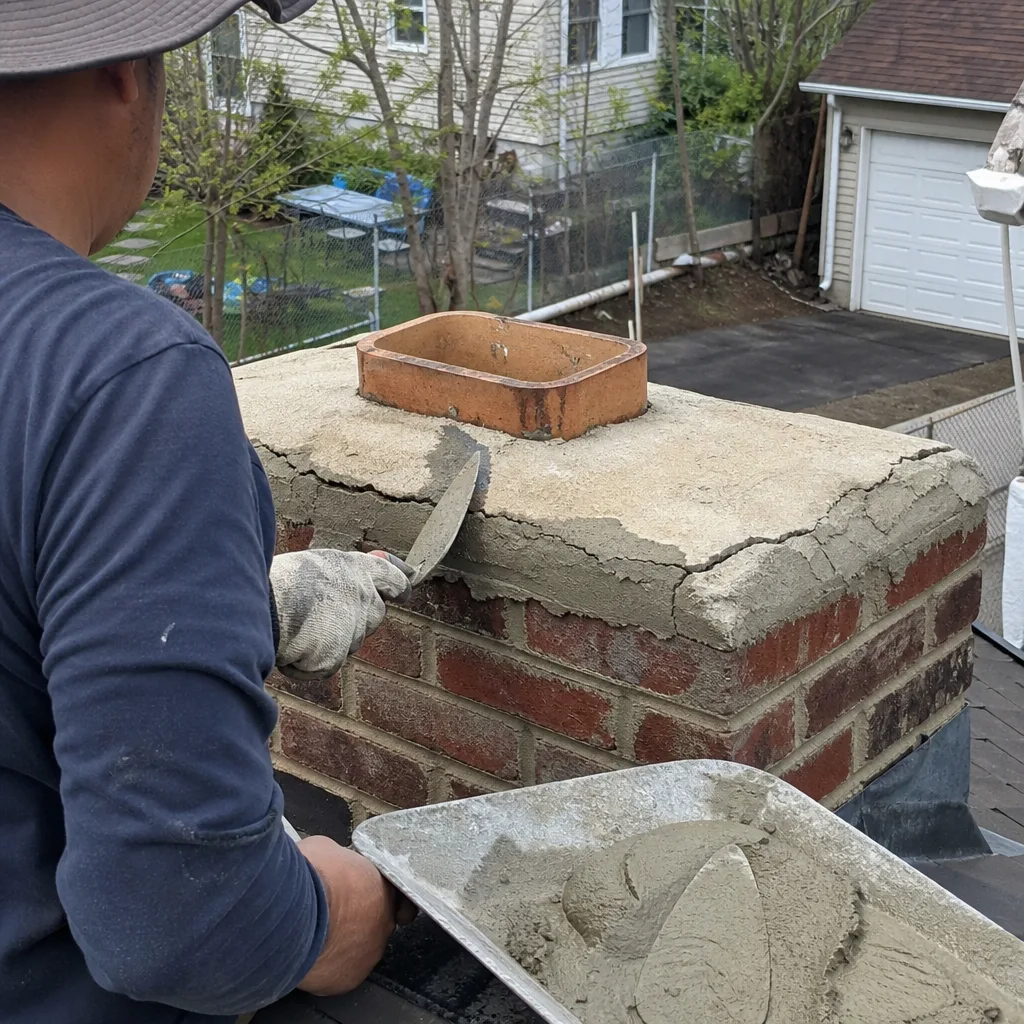
Some warning signs are not about creosote at all. A chimney that passes a visual check from below can still have a failing liner, and the signs show up in quieter ways: a faint smoky smell that never fully goes away, a fire that burns hotter on one side of the firebox, pieces of thin clay tile found at the base of the flue during cleaning, or a sudden change in draft from season to season. All of those point to the liner rather than the soot.
Liners fail for predictable reasons. Condensation from gas appliances eats at mortar joints between clay tiles. Thermal expansion cracks the tiles themselves. A chimney fire - even a small one no one noticed - can shatter a clay liner clean through. The repair options depend on what the camera shows: a stainless steel liner from DuraFlex is often the right call for a flue that has lost its integrity but is still structurally intact. In cases where the liner has failed badly, a full rebuild may be the only safe option, often using HeatShield cerfractory sealant or a new poured-in-place liner system.
We never recommend a liner without camera documentation on file. That is the point where the written price, the written scope, and the written warranty all line up with the same evidence. You get the photos, you see the defect, you approve the repair with full information. The cost of a liner in Paterson ranges from roughly $2,500 to $6,500 depending on flue height, liner material, and whether insulation is needed - but that range is meaningless until a camera scan establishes what the flue actually needs. A written estimate after the scan is the only number worth acting on.
Signs You Can Monitor vs. Signs That Mean Stop Now
Not every warning sign requires the same urgency. In our experience - and we have inspected over 38,000 chimneys in and around Passaic County since 2009 - homeowners misread urgency in both directions. Some panic over Stage 1 soot that can wait a few weeks, and some ignore a smoke rollout condition that makes the fireplace unsafe to use at all. Here is the line we draw:
Safe to monitor (and schedule a cleaning when practical)
- Light, flaky soot visible on the firebox walls - Stage 1 creosote, normal combustion byproduct
- A faint smoke smell the day after a fire that has not gotten worse over previous seasons
- Small dry twigs or one or two leaves at the base of the flue, visible from below
- Mild efflorescence on exterior brick with no spalling or loose mortar
- A damper that is stiff but operable, with no smoke rollout when open
Stop using the fireplace and call before the next fire
- Smoke rolling into the room when the fire is lit, even briefly
- The smell of wood smoke in the house during summer when the fireplace has not been used in months - this is a moisture-activated creosote signal
- Shiny black or tarry deposits visible on the damper or any surface inside the firebox
- Fallen brick or tile flakes found in the firebox after a fire
- Any animal sound from the chimney, or a dead-animal smell you can trace to the flue
- Spalled brick faces, especially with efflorescence around the crown
If you are unsure which category you are in, the camera answers the question. We have never seen a homeowner regret scheduling an inspection that turned out to be a clean bill; we have seen plenty regret the fire they lit against a warning sign they decided to ignore.
What a Proper Cleaning Actually Includes
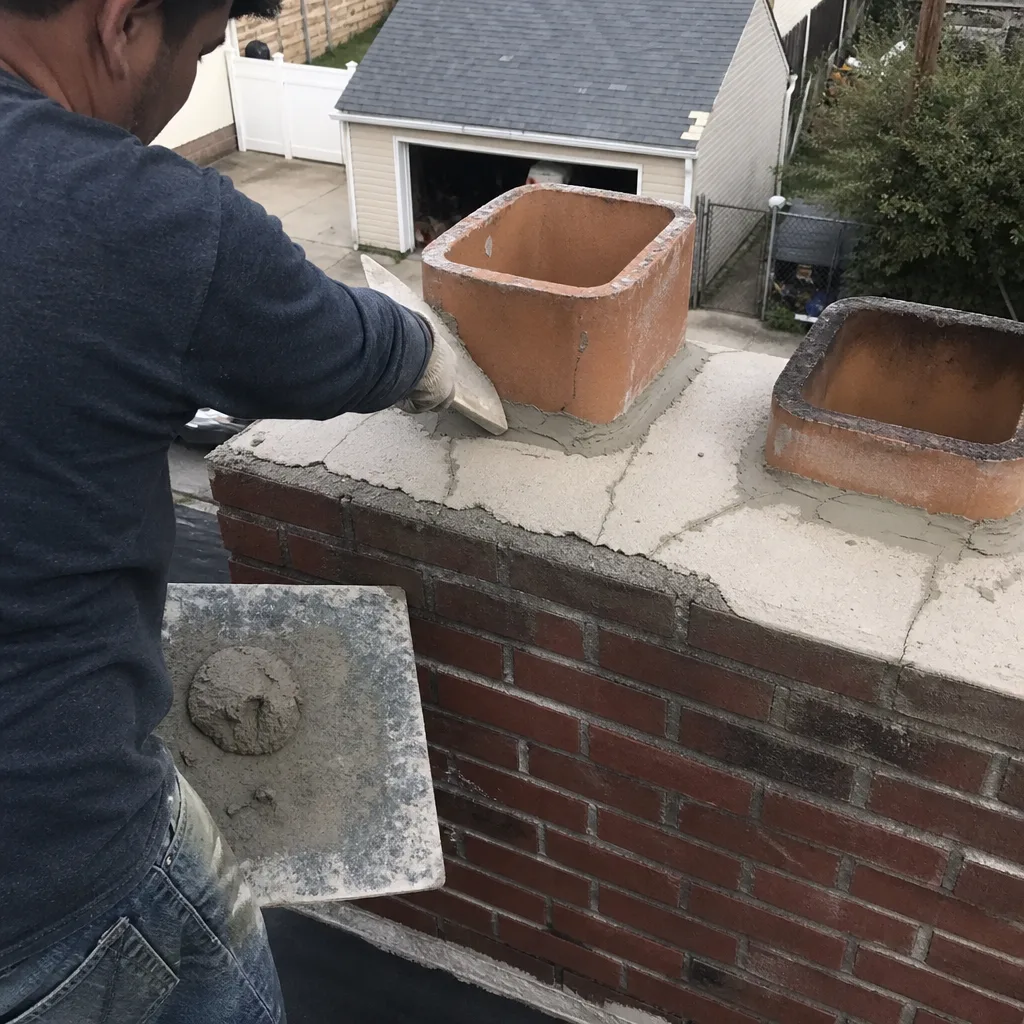
The phrase “chimney sweep” means different things in different companies. To us - and to the Haven Standard we have operated under since 2009 - a cleaning is not the brushing and the bill. It is the complete process.
- The written price before we arrive. No one shows up to a Level Two job without a documented quote. You know what the sweep costs before the tech rings the doorbell.
- The camera record before and after. The pre-scan establishes the creosote class and any defects. The post-scan proves the flue is clean and intact.
- Physical cleaning of the full flue. Brushes, rods, and rotary tools sized for your specific flue dimensions - not a one-size-some brush.
- Documentation when it is done. You walk away with a photo record of the work: before images, after images, and any defect documentation. That is Clause 4 of the Haven Standard and has been part of every Level Two Chimney Paterson job since day one.
If a sweep company does not do a camera scan, they cannot actually tell you whether the flue is clean or whether it needs repair. They are working blind above four feet. In a chimney, what you cannot see is exactly what needs to be verified.
What happens when you call
- 1
A real person answersNo phone trees - you reach a local pro.
- 2
You get an upfront price rangeHonest numbers before anyone is dispatched.
- 3
A background-checked tech heads outLicensed & insured, dispatched right away.
- 4
You approve before work beginsNothing starts until you say go.
What Paterson Homeowners Should Know About Local Codes and Seasons
Paterson enforces the New Jersey building code, which incorporates the International Residential Code and refers to NFPA 211 for chimney and venting standards. In plain terms: your chimney is expected to be structurally sound, free of obstruction, and properly lined. If a fire occurred and investigation showed a blocked or degraded flue, insurance claims get complicated. A documented cleaning and camera scan creates the paper trail that shows the chimney was maintained.
The practical calendar matters too. The best time to have a chimney cleaned in Paterson is spring or early summer. Soot and creosote from the winter season have had time to settle; humidity makes odor problems more noticeable and easier to trace; and you avoid the October rush when every homeowner in Passaic County suddenly remembers the fireplace exists. If an animal made a nest during the spring, early summer is when it is most likely to be found before another burning season starts.
And if a sweep happens in the fall? The flue is clean for the season and the camera record is fresh - but the scheduling pressure is real. A Paterson homeowner who calls in October will likely wait longer for an appointment. We answer our phones live, 24/7, and we tell callers the truth about the schedule: winter and fall appointments fill first, and spring appointments are easier to get and better for diagnostic work.
Common Mistakes to Avoid

- Assuming no smoke means no creosote. A flue with a strong draft can hide Stage 2 creosote that would catch fire in the right conditions. The absence of smoke in the living room is not evidence of a clean flue.
- Relying on a flashlight inspection to clear the chimney. A flashlight reaches four feet up a thirty-foot flue. If the inspector cannot see the upper 80% of the flue, the inspection is incomplete.
- Brushing off efflorescence as cosmetic. In a Paterson freeze-thaw climate, active efflorescence is a moisture problem that will become structural damage. It is not a stain, it is a signpost.
- Burning green or treated wood to save money. Unseasoned wood lowers firebox temperatures, which increases creosote formation. Pressure-treated lumber releases chemicals that corrode liners. Burn seasoned hardwood only.
- Skipping the chimney cap. A missing or damaged cap is an open invitation to the Paterson squirrel and raccoon population. The cap costs a fraction of what animal removal and a full cleaning cost after a nest fire.
- Waiting until fall to book a cleaning. Paterson’s sweep calendar is seasonal. Spring cleaning beats October panic on price, availability, and diagnostic quality.
- Assuming a chimney liner lasts forever. Clay liners crack. They all do, eventually. A camera scan documents the liner’s condition so you can track it year-over-year instead of finding out about a crack after it is a fire hazard.
When to Call a Professional
Call a professional chimney company when any of the stop-now signs appears: smoke rollout, shiny creosote visible in the firebox, animal sounds in the chimney, spalling brick, or a smoke smell that persists outside of burning season. Call after any chimney fire, even a small one - a fire that stayed contained to the flue can still crack the liner. Call before you buy a home with a fireplace in Paterson, because the previous owner’s maintenance record is not a replacement for a camera scan of the flue. And call if a previous sweep company charged you for a “cleaning” but provided no photos, no documentation, and no written scope of work. You paid for a brushing, not a cleaning. Level Two Chimney Paterson offers free estimates in Paterson - call (862) 356-5229 for a written quote before any work begins.
Frequently Asked Questions

A standard chimney cleaning and sweep in Paterson typically runs $180 to $340 for a single-flue masonry chimney with standard access, and $250 to $450 when a camera scan and full documentation are included. The written price depends on flue height, creosote class, and whether animal removal or cap work is needed. Call (862) 356-5229 for a written estimate before any work starts - the price is on paper, in full, without a “call for quote” dance.
The NFPA 211 standard says chimneys should be inspected at least once a year and cleaned whenever creosote buildup reaches 1/8 inch. In practice, a Paterson homeowner who burns fires weekly through the winter should expect an annual sweep; a household that burns an occasional fire may go two years between cleanings, but the camera record should confirm that rather than an assumption.
You need a new liner if the camera scan shows cracks, gaps, or missing sections that would allow heat and gases to reach combustible materials. That determination comes from photo evidence, not from a recommendation made without seeing the flue. We do not recommend liner work without camera documentation - and if the liner is intact, we will tell you it is intact and show you the images. Bring us a competitor’s written quote and we will provide a free second opinion on it.
Creosote builds past the safe threshold and becomes fuel for a chimney fire, which can crack the liner and spread to the house. Even without a fire, built-up creosote absorbs moisture, narrows the flue, causes draft problems, and produces the pervasive campfire smell in humid weather. In a Paterson home with an older clay liner, the cost of neglect lands all at once - usually as a liner replacement or a partial rebuild rather than a $200 sweep.
A camera scan shows the full length of the flue: creosote class at every height, liner cracks and tile separations, hidden blockages, partial collapses, and unlined sections. A visual check from the firebox opening shows about four feet of a thirty-foot flue. The camera is the difference between a guess and a documented record - which is why we have included a photo report on every job since 2009 under Haven Standard Clause 4.
You can technically buy brushes and rods at a home center, but you will not have a calibrated camera showing the upper flue after you finish, and you will not be able to assess whether the liner is still safe to use. Our DIY vs Professional Chimney Cleaning: The Paterson Homeowner’s Decision Guide breaks down what you actually gain - and risk - doing it yourself. A professional sweep in Paterson costs less than most fireplace repairs, and the documentation is worth more than the brushing. Call (862) 356-5229 for a free estimate - the price is written before the work starts.
The Bottom Line
Chimney warning signs in Paterson homes fall into two categories: the ones you can see and the ones that will cost you if you cannot. Efflorescence, spalling, smoke rollout, odor, and animal activity all point to specific underlying problems - creosote buildup, moisture intrusion, blocked flues, or liner failure - and each has a specific cleaning or repair that addresses it. The chimney that gets ignored is not the one with obvious damage; it is the one that passes a visual check and carries glazed creosote higher in the flue where no one looked. A documented camera scan removes the guesswork, the written quote removes the pricing dance, and the photo record gives you something no inspection without one can: proof. Browse more guides & resources on keeping your chimney safe year-round. Level Two Chimney Paterson has performed over 38,000 inspections and cleanings under the Haven Standard since 2009. Call (862) 356-5229 for a free estimate before your next fire - not after it.
Written by Corrine Halstead, Owner at Level Two Chimney Paterson, serving Paterson since 2009.