
Last updated September 20, 2026
Level 1 sweep and inspection to the NFPA 211 annual standard - flue, crown, cap, and flashing checked and photographed
Chimney sweep logs do not sweep chimneys. They loosen some creosote - which then falls where a brush and vacuum still have to collect it.
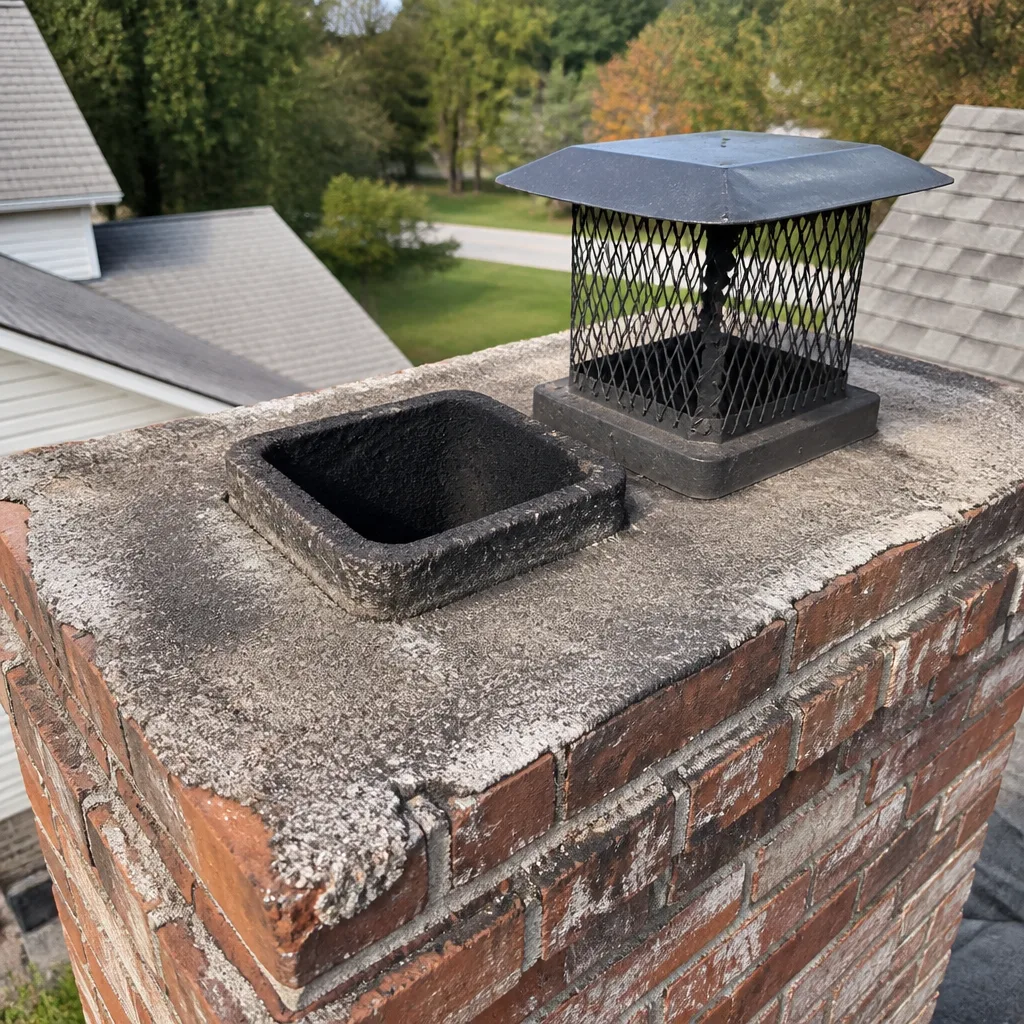
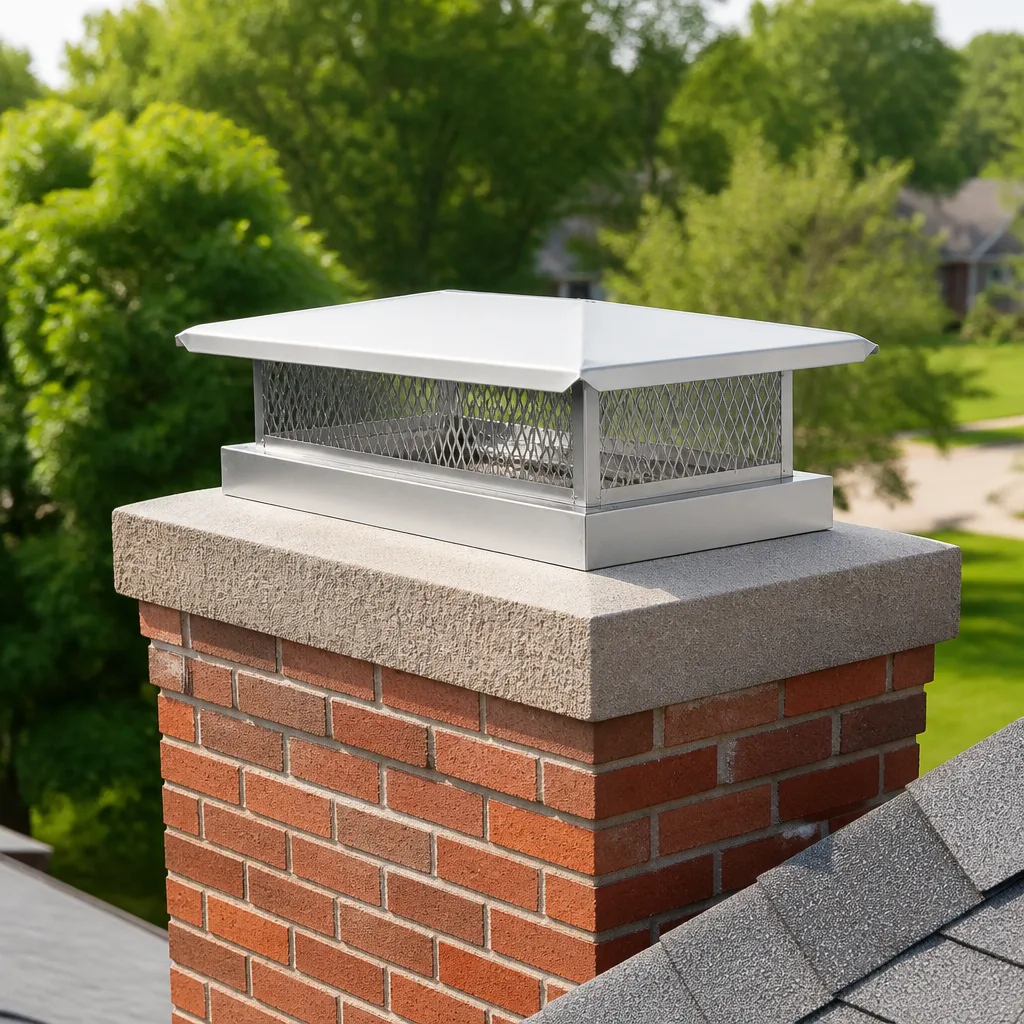
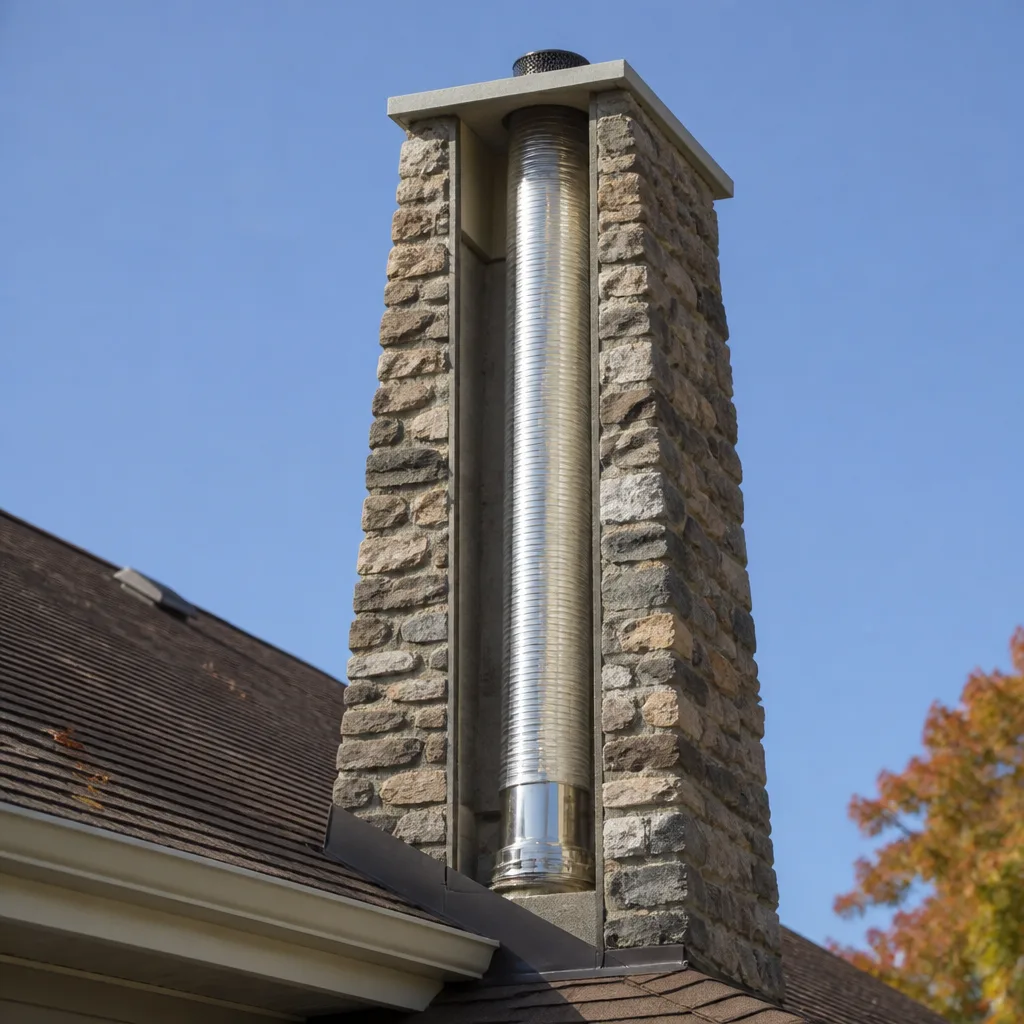
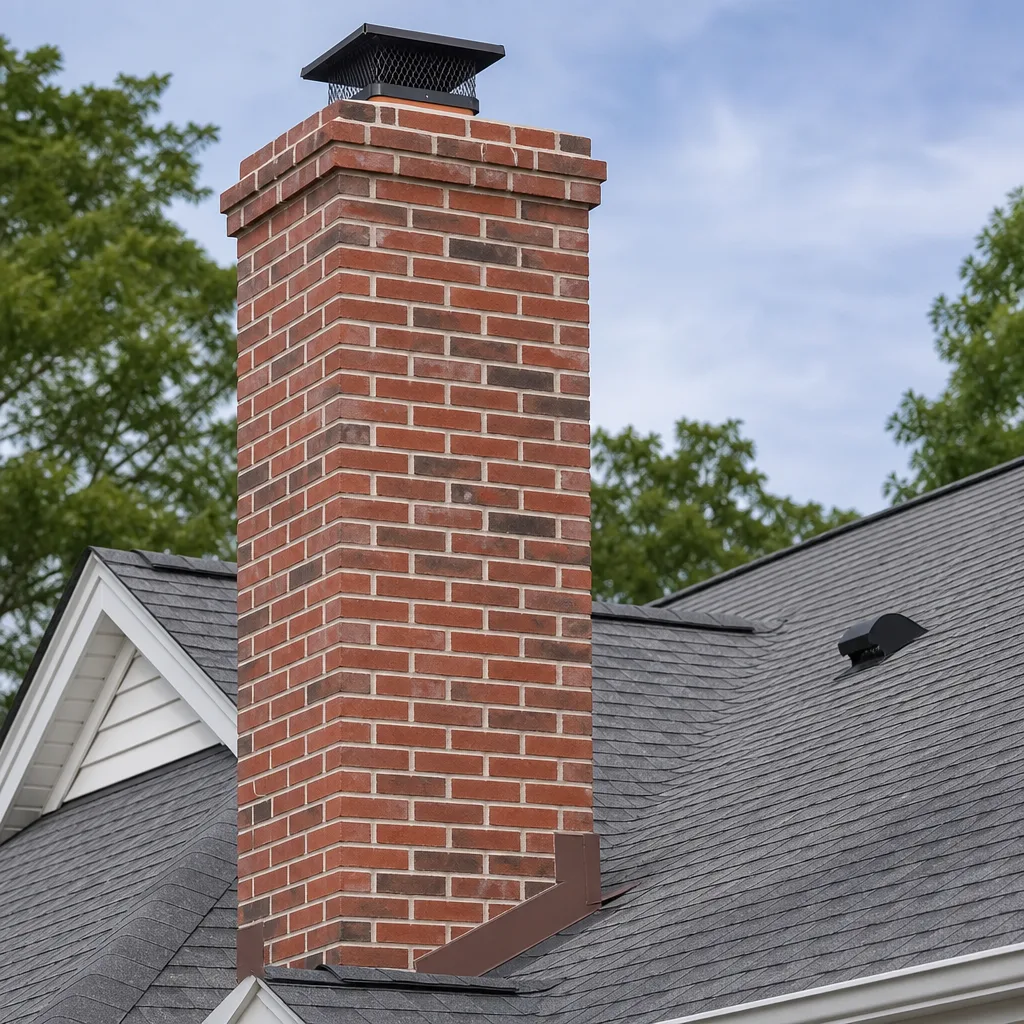
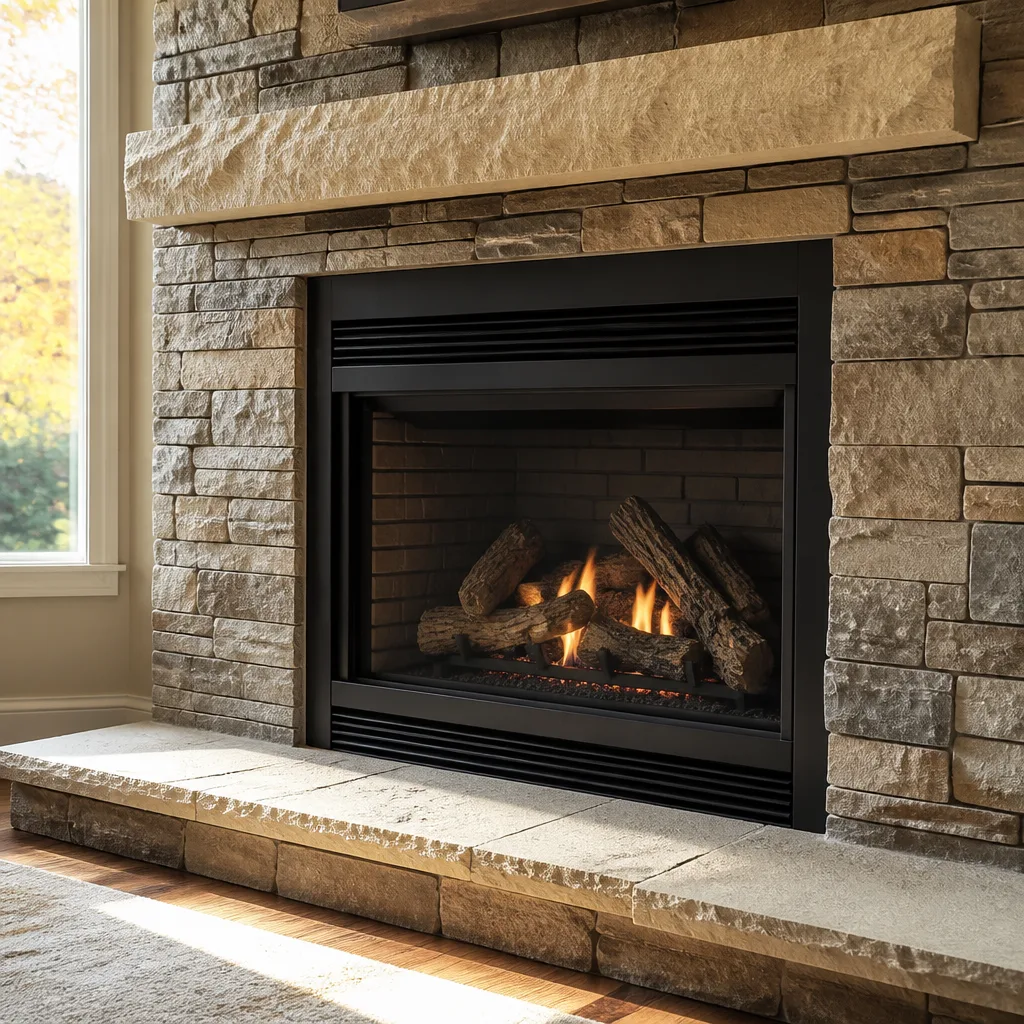
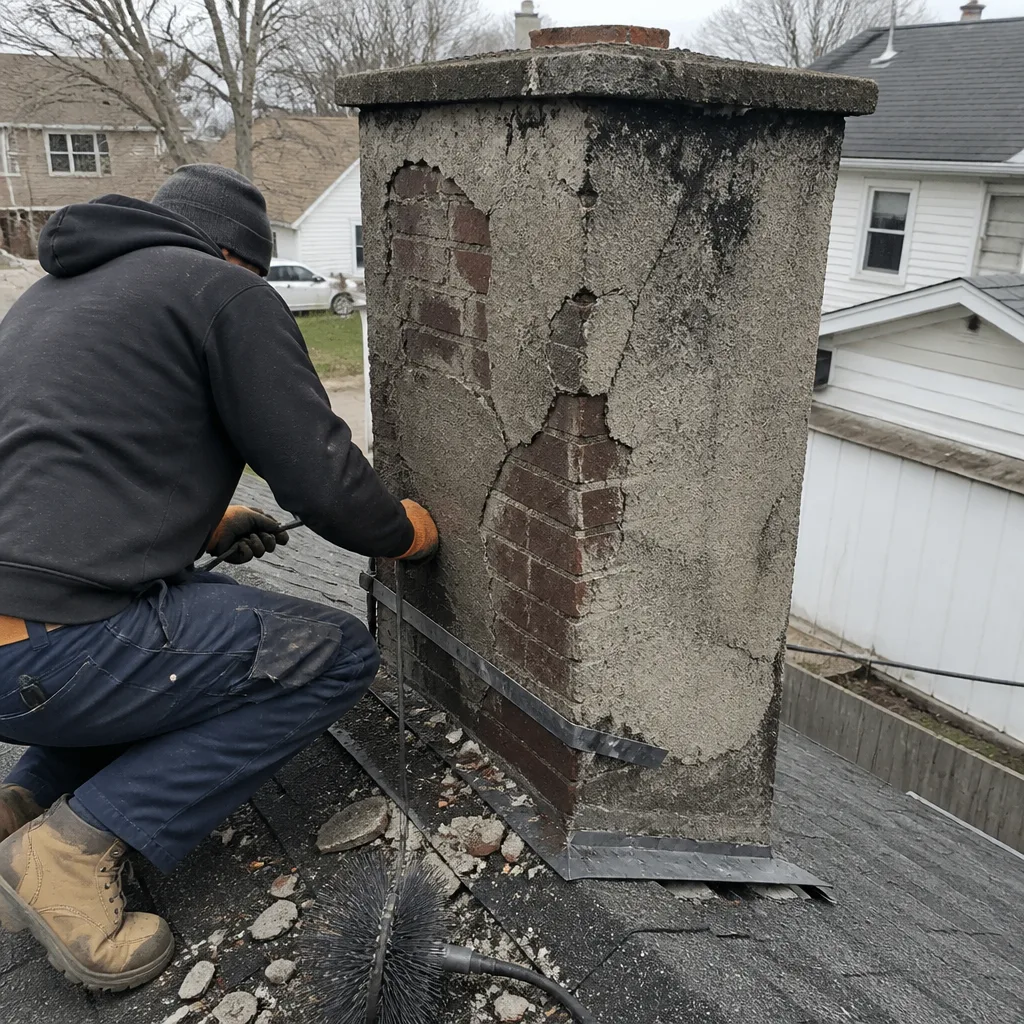 Before
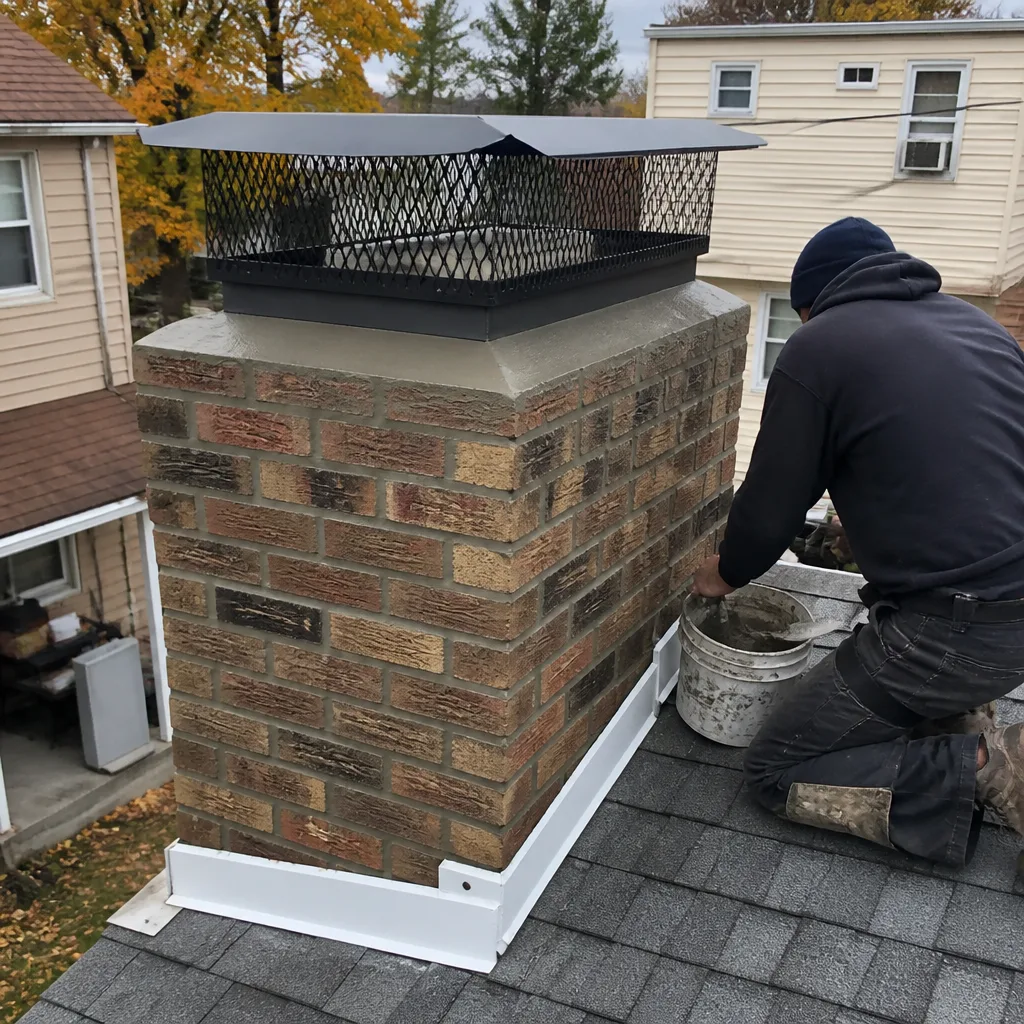 After
After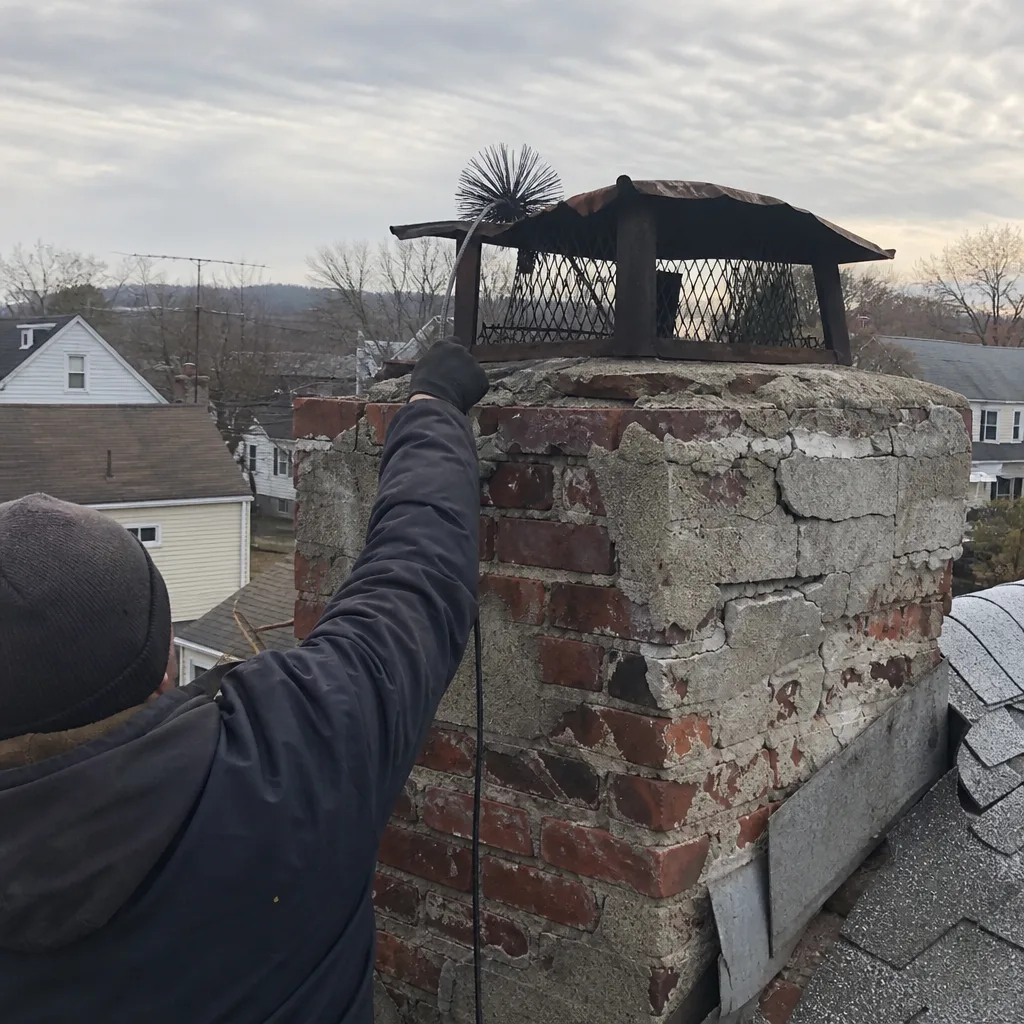 Before
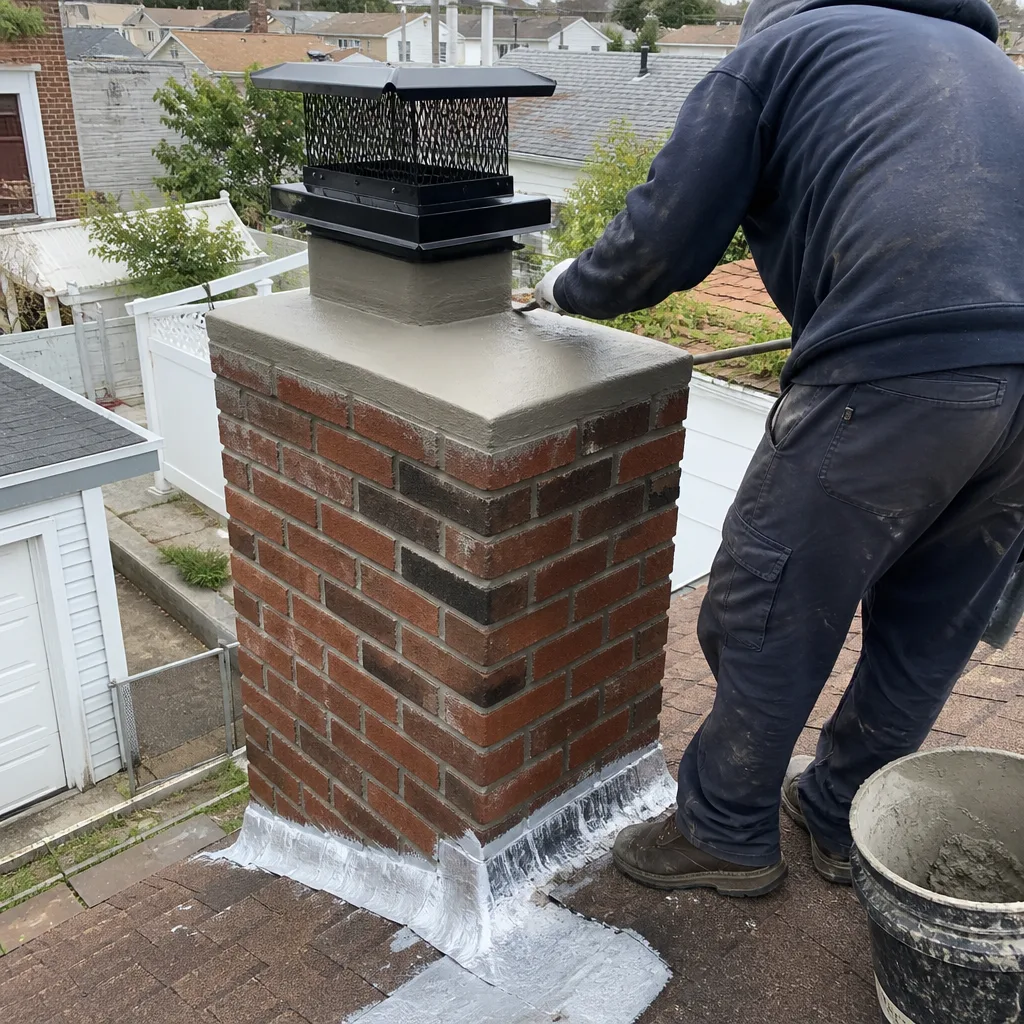 After
After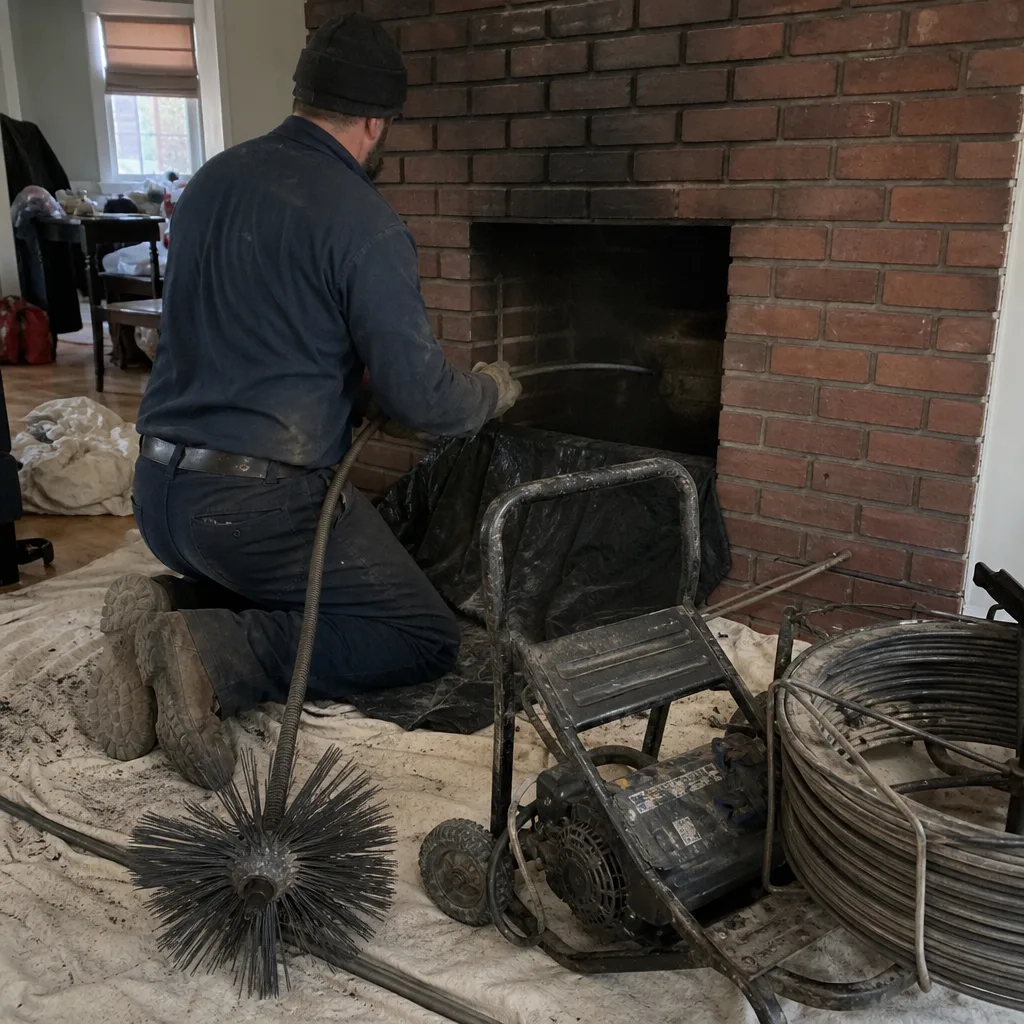 Before
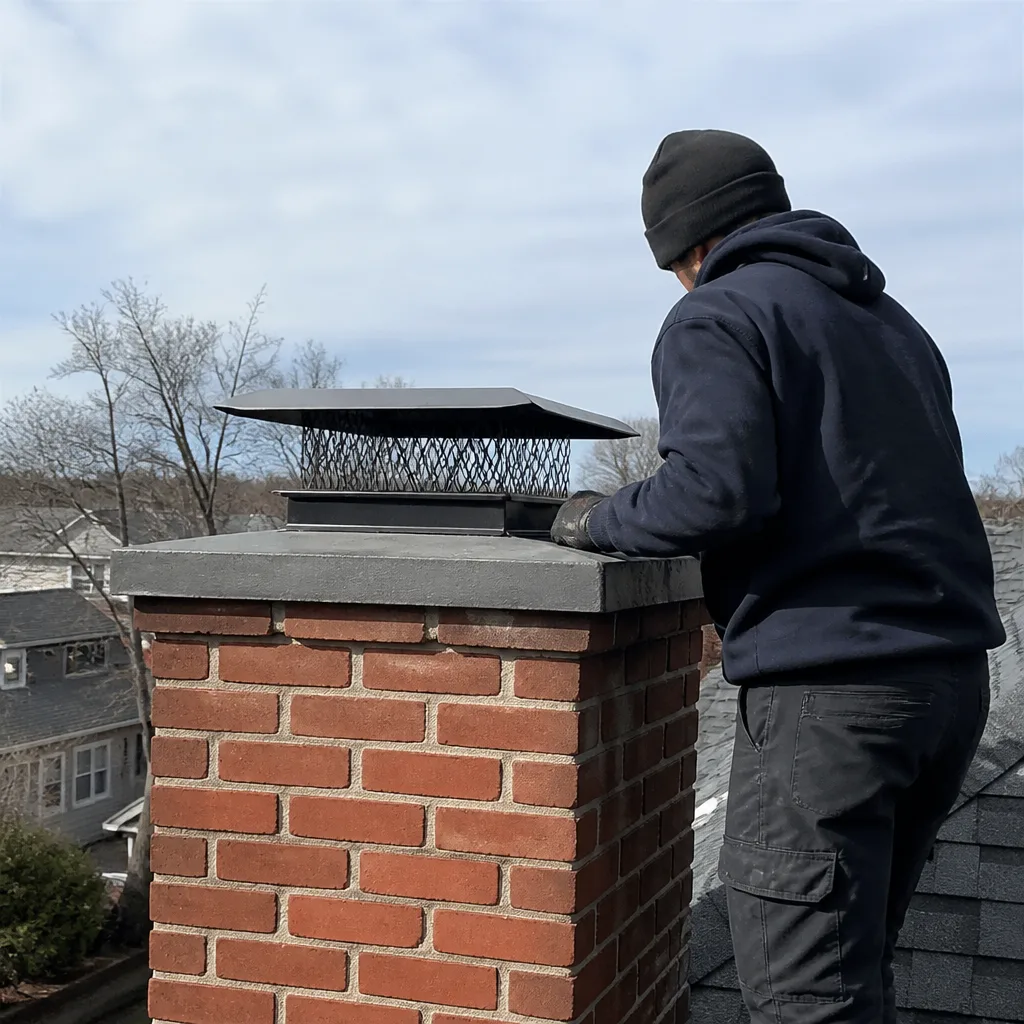 After
AfterDIY vs Professional Chimney Cleaning: The Paterson Homeowner’s Decision Guide
A $60 brush kit from the hardware store will remove loose soot from your chimney. That’s true, and it’s also mostly irrelevant. Loose soot is not what burns houses down. What burns houses down is creosote that has hardened into a tar-like glaze, and no brush on a fiberglass rod can tell you whether that glaze is a maintenance issue or a shutdown-level hazard. This guide walks through exactly what DIY chimney cleaning can and cannot accomplish in Paterson, what it costs either way-see our Chimney Cleaning Cost Breakdown: The Paterson Homeowner’s Reference for 2026 for full details-and how to know when a professional inspection is not just advisable but non-negotiable.
Quick Answer
DIY chimney brushing removes loose soot but cannot stage-classify creosote, assess flue liner integrity, or produce documentation an insurer or home buyer will accept. In Paterson, where much of the housing stock predates 1950 and unlined or deteriorated flues are common, the realistic choice is: DIY sweeping between annual professional inspections, or professional service that includes camera documentation. DIY-only maintenance is defensible only on newer chimneys with verified stainless liners that are used seasonally and never burned wet or unseasoned wood; for everything else, see our How to Hire a Chimney Cleaning Contractor in Paterson: A Step-by-Step Guide.
Table of Contents
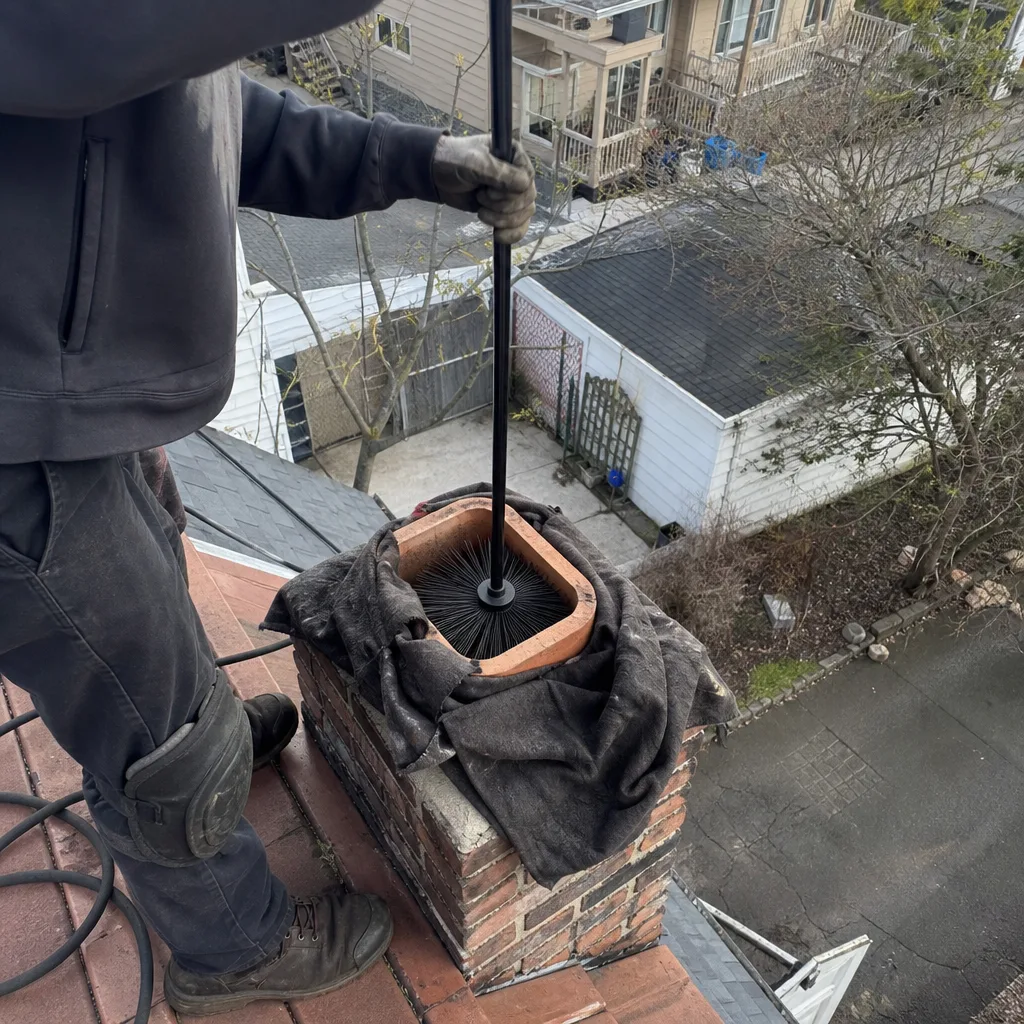
- What a Chimney Brush Actually Does (And Doesn’t)
- Creosote Staging: Why the Distinction Matters
- The True Cost of DIY Chimney Cleaning
- Paterson’s Housing Stock Changes the Math
- Three Situations Where Professional Cleaning Is Not Optional
- The Paper Trail: What Documentation Means to Insurers and Buyers
- If You Do DIY: A Realistic Protocol
- When to Call a Professional
BeforeAfterWhat a Chimney Brush Actually Does (And Doesn’t)
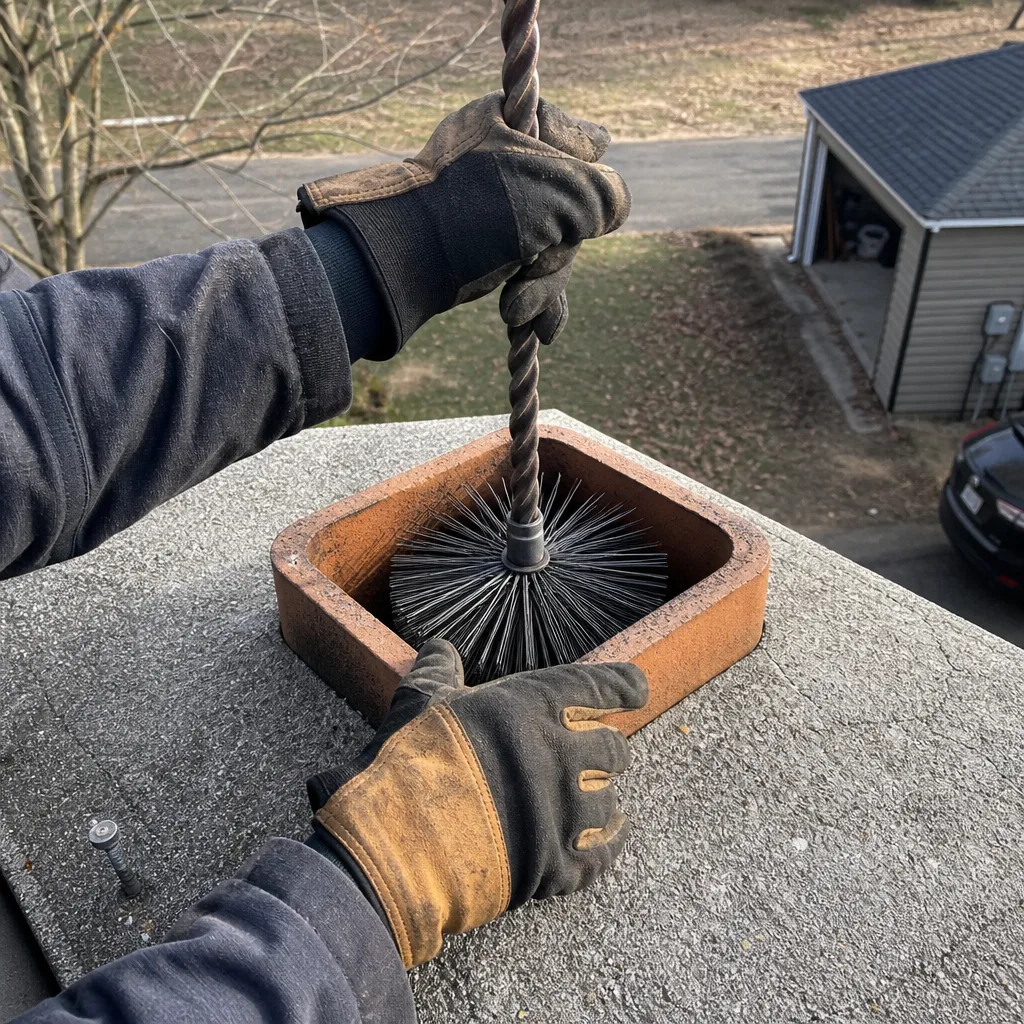
We want to be fair to the brush kit. It does exactly what the box says. A wire or poly brush on a flexible rod, run up and down the flue from below or from the roof, mechanically scrapes away loose particulate: the fluffy, dusty, black residue that sits on liner walls after a season of fires. That material is called soot, and it is mostly unburned carbon. It is a nuisance. It restricts draft when it builds thick. It can fall back into your firebox and make a mess of your living room if you don’t seal the fireplace opening before brushing. But it is not, by itself, the thing that ignites.
Here is what the brush cannot do:
- See the flue walls. A brush tells you how much resistance it meets. It tells you nothing about what the wall behind that resistance looks like. A liner can be cracked, spalling, or missing entire sections behind a quarter-inch of glaze, and the brush will slide past it without complaint.
- Stage-classify creosote. Creosote comes in three recognized stages. Stage 1 is dusty and brushable. Stage 2 is flaky and brittle, partly brushable in an ideal world, increasingly not. Stage 3 is a hardened, shiny glaze that is chemically bonded to the liner surface and essentially impossible to remove with a brush without damaging the liner. The distinction is visual. There is no brush that can determine it by feel.
- Assess the smoke chamber. The smoke chamber is the inverted-funnel area above the firebox and below the flue. In older Paterson homes, smoke chambers are often corbeled brick with rough mortar joints that catch creosote like a net. The brush doesn’t enter the smoke chamber in any meaningful way during a standard top-down sweep.
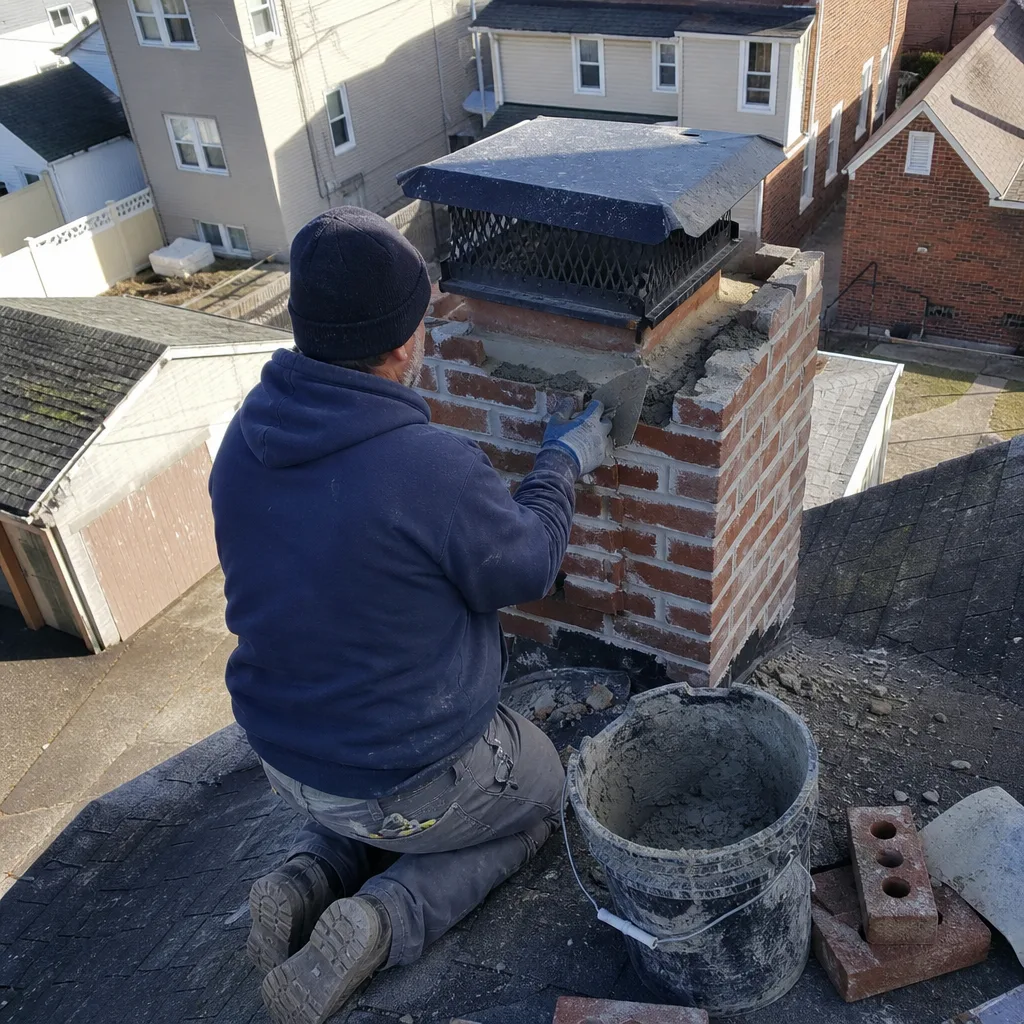
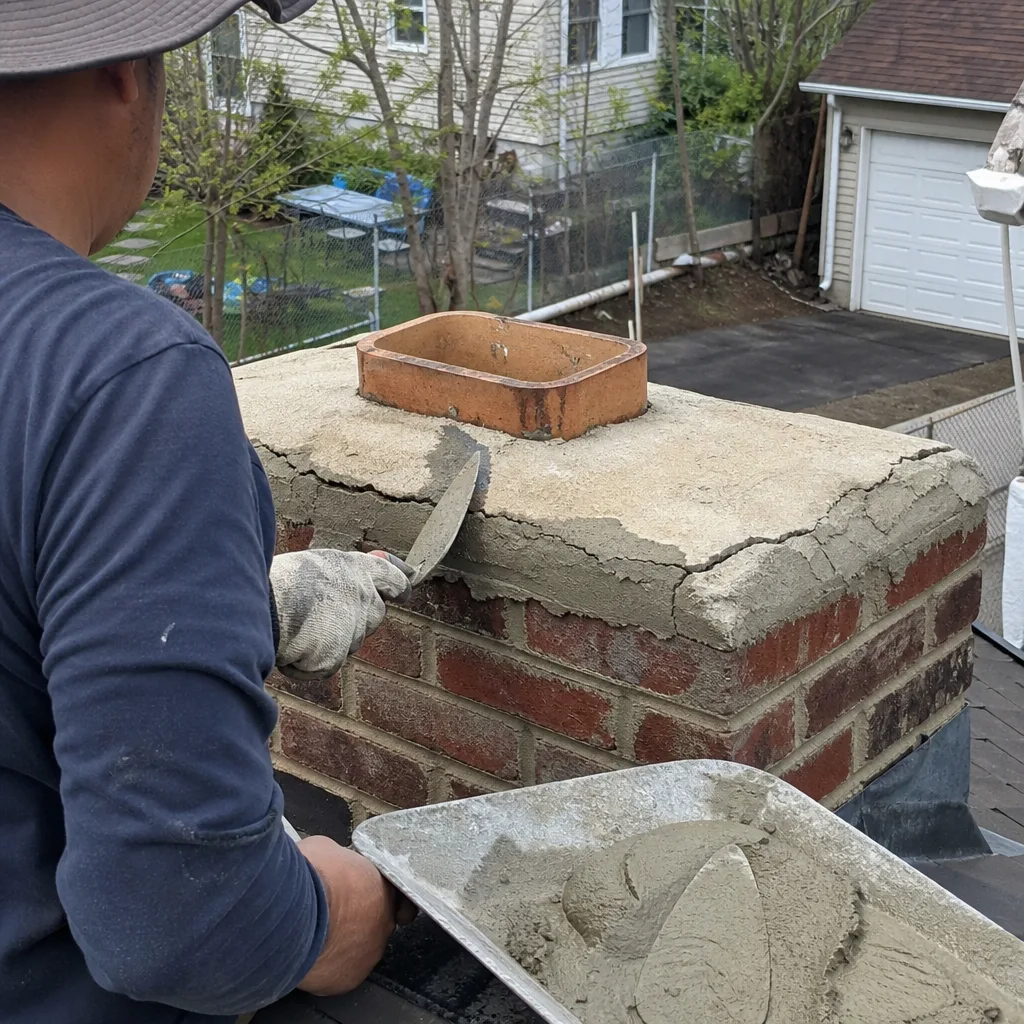
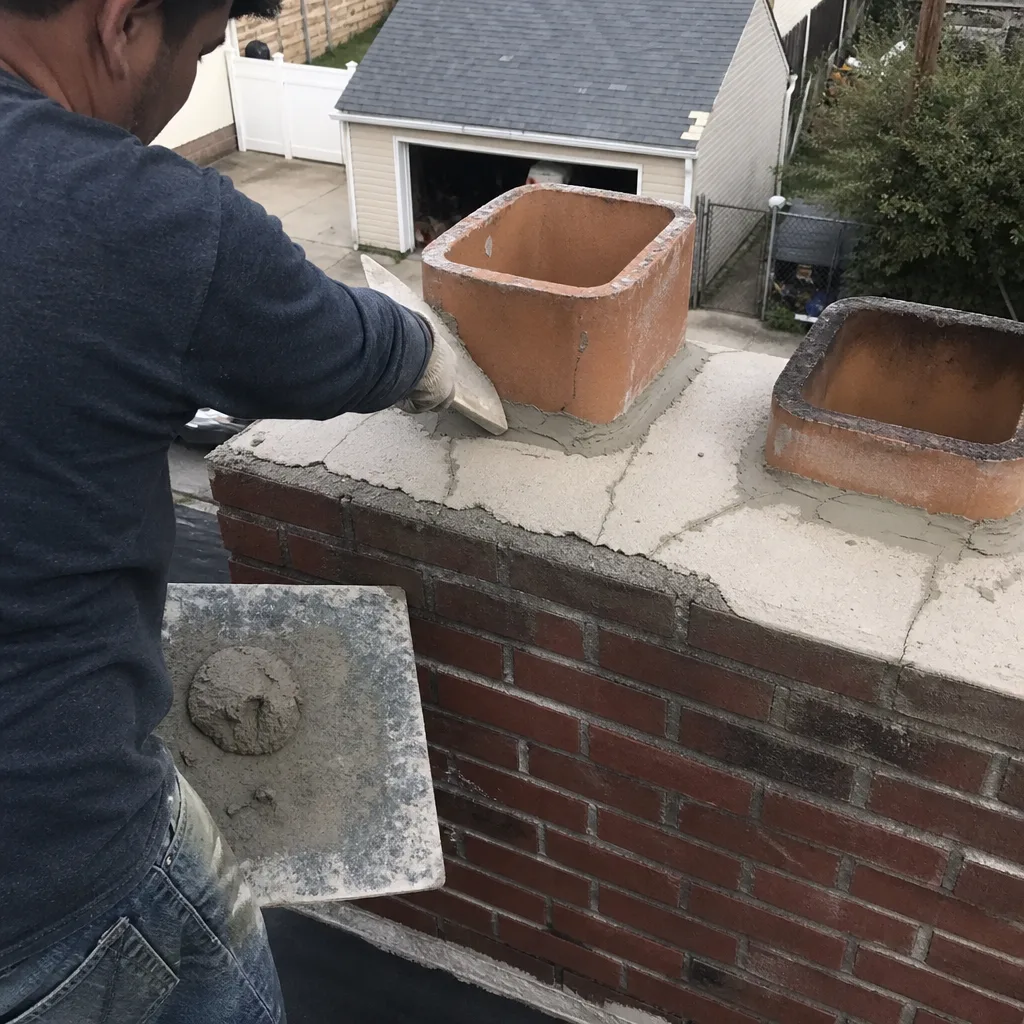
- Check the crown or cap. The chimney crown (the concrete or mortar surface that seals off the top of the masonry) and the rain cap are outside the flue path entirely. A brush run inside the flue tells you nothing about the crack in the crown that is letting water into the masonry, which is a leading cause of liner deterioration in Paterson winters.
- Produce a document. If you sell your home, or make an insurance claim, or apply for a reline permit, nobody cares how clean you say the flue is. They care what a qualified party can show on paper. A receipt for a $60 brush kit is not that document.
We’ve cleaned more than 38,000 chimneys under the Haven Standard since 2009, and we tell every client the same thing: the brush is fine for what it is. It is not a substitute for an inspection, any more than a bathroom scale is a substitute for a blood test.
Creosote Staging: Why the Distinction Matters
If you remember one thing from this guide, make it this: the difference between Stage 1 and Stage 2 creosote is the difference between a cleaning you can schedule at your convenience and a combustion risk that should change how you use your fireplace tonight.
Here is how the staging works in plain language:
- Stage 1 creosote: A light, dusty coating, brown or grayish-black, that brushes off easily. This is normal in any regularly used chimney. It is what your DIY brush will remove. It is a maintenance condition, not a hazard condition.
- Stage 2 creosote: A thicker, flaky or granular deposit, black and textured, that looks like crushed charcoal. Stage 2 ignites more readily than Stage 1. It begins to restrict draft. It often requires rotary cleaning tools (which most homeowners do not own) to remove fully.
- Stage 3 creosote: A glossy, tar-like glaze that fuses with the liner surface. Stage 3 reaches temperatures where it begins to vaporize as fuel at normal firebox temperatures. It is extremely difficult to remove. In liners that are old or compromised, removal can cause more damage unless done with a chemical treatment or a complete reline. This is the condition that makes chimney fires likely, not merely possible.
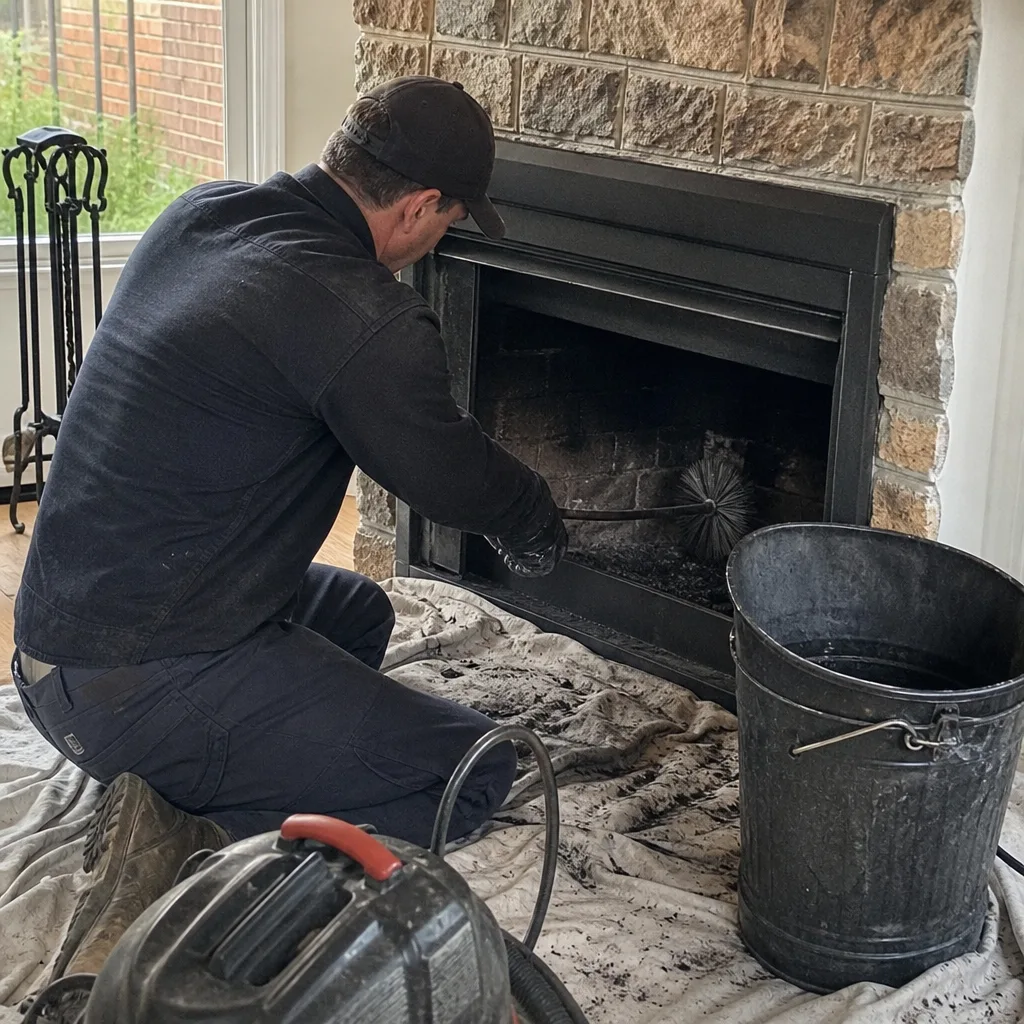
The staging is a visual judgment. It requires a light source and a clear line of sight inside the flue, which is what a professional camera-scan inspection provides. Our camera-scan is NFPA 211 Level 2, and it is not an upsell added to a basic job; it is the default on every visit, and has been since 2009. Clause 4 of the Haven Standard requires a documented photo record on every job precisely because no one should be asked to trust a staging assessment they cannot see with their own eyes.
The brush kit cannot distinguish between Stage 1 and Stage 2. It cannot tell you whether the texture you feel inside the flue is last year’s dusty residue or a 3/8-inch layer of brittle fuel that would light like newspaper under the right conditions. That distinction is the whole ballgame.
The True Cost of DIY Chimney Cleaning
In our experience, homeowners who defend DIY chimney cleaning on cost grounds are usually comparing a $60 brush kit against a professional service call, and stopping the calculation there. The honest calculation includes several line items that never appear on the brush kit receipt.
Here is the realistic cost picture for a first-time DIY chimney cleaning in Paterson:
- Equipment, basic: $45 to $80 for a brush-and-rod kit sized to your flue. If your flue is clay tile (common in post-1960 Paterson construction), you need a wire brush. If it’s stainless, you need poly. The wrong brush is a fast way to damage a liner.
- Equipment, safety: $30 to $60 for a proper dust mask or respirator, safety goggles, and gloves. Creosote dust is toxic and a skin irritant. Cleaning a chimney without a respirator is not a corner worth cutting.
- Drop cloths and sealing supplies: $15 to $30. Soot travels. It gets into upholstery, ductwork, and clothing. If you’re cleaning from inside, the fireplace opening must be sealed tight around the rod and then cleaned up afterward.
- Time, first run: 2 to 4 hours for someone who has never done it, including setup, the cleaning itself, and the exhaustive cleanup. Veteran DIYers can do it in about an hour. Either way, it’s an afternoon.
- Disposal: Soot-containing debris should be bagged and disposed of properly, not dumped in a household trash can where it can lift as dust when compacted. Creosote is a hazardous material under most waste rules.
- The cost of a missed defect: This is the line item nobody wants to think about, and it can be thousands. A cracked clay tile liner in a home built before 1950 might be entirely invisible to a brush. If that crack channels combustion gases or heat into the surrounding masonry for another season, the repair moves from a minor crown repair or liner section replacement (hundreds, maybe $1,500) to a full reline or rebuild (several thousand). Missing the early catch is the single most expensive mistake in chimney maintenance.
Compare this to a professional sweep that includes a camera-scan inspection, a written price before work starts, and a documented photo record on completion. The professional service costs more cash on the day. It also produces an archive. On an older Paterson chimney, that archive is what tells you whether the next small thing is the canary or just the nest. “Written price, written scope, written warranty before anyone starts” is Haven Standard Clause 1 for a reason: in our industry, nothing good happens verbally. Chimney cleaning and sweep service in Paterson includes the camera scan and photo record as standard, not as an add-on.
Paterson’s Housing Stock Changes the Math
Paterson is a city of firsts: the first planned industrial city in the United States, the first to launch a locomotive, the first to build an industrial district on the scale of the Great Falls. It is also a city of some of the oldest continuously occupied housing stock in New Jersey. A significant share of Paterson’s single-family and small multifamily homes were built between 1880 and 1930, at a time when masonry chimneys were usually built with the flue as a raw opening through brick, no clay tile liner at all, just mortar parging that has had a century to erode.
What that means, in practical terms:
- You cannot assume the liner is intact. In a pre-1950 Paterson home with an original masonry chimney, the absence of a documented stainless liner should be treated as a defect until proven otherwise. Raw masonry flues absorb moisture, spall, and move heat into the surrounding wood framing. That’s how chimney fires become house fires.
- The smoke chamber may be a creosote collector. Older corbeled smoke chambers with staggered brick and thick mortar joints hold creosote. Even a diligent top-down brush job will not move five pounds of Stage 2 creosote out of that chamber. It sits there, flaking, waiting.
- Mortar joints deteriorate from the outside in. Paterson gets freeze-thaw cycles all winter. Water enters masonry, freezes, expands, and pushes bricks apart. A chimney that looked fine in October can be visibly spalling by March. The brush sees none of that.
- Coal-era flues are too large for modern wood use. Many older Paterson homes have flues sized for a coal furnace or a much larger coal fireplace. When you burn wood in a flue that large, the smoke cools too quickly on the way up, and creosote condenses faster. This is a classic contributor to rapid Stage 2 buildup in older homes.
The Level Two Chimney Paterson home guides provide more detail on what we see in specific neighborhoods, but the headline is this: in a city with Paterson’s housing stock, the default assumption should be that the chimney needs professional evaluation until documentation proves otherwise. Not the other way around.
Three Situations Where Professional Cleaning Is Not Optional
Most decisions about chimney maintenance are judgment calls. These three are not.
1. Real estate transactions requiring Level 2 documentation
When a home changes hands in New Jersey, a home inspector will often flag the chimney for further evaluation if there is any visible creosote, spalling, or moisture staining at the floor line. The buyer then typically attorneys a chimney inspection into the deal. The standard requested is NFPA 211 Level 2, which means a camera scan of the entire flue, from firebox to cap, plus photographic documentation. A DIY-cleaned chimney with no paper trail satisfies none of that. In practice, the buyer pays for the professional service or the seller does, and the whole point of the exercise is the document at the end. A brush kit does not produce documents. This is worth repeating: a brush kit does not produce documents.
2. Post-damage inspections
After a chimney fire, a lightning strike, a tree impact, or an earthquake (Paterson sits on the Ramapo fault system and intermittently feels activity), the structural condition of the flue cannot be assumed. Even a small chimney fire can crack clay tiles. Those cracks are interior, invisible to the naked eye from either end, and are precisely what a camera scan exists to find. No professional in our industry would sign off on a post-damage chimney based on how the brush felt going through. Neither should you. Chimney repair in Paterson begins with the camera scan, and we write the repair scope from what the footage shows.
3. Relining permit applications
If your flue is compromised and needs a stainless liner, the installation will require a permit in most Paterson jurisdictions. The permit application generally requires documentation of the condition that justifies the reline: photos, camera footage, a written scope from a qualified party. This is where the archive practice matters. We have maintained continuous site documentation on every job under Haven Standard Clause 4 since 2009, and when a client needs evidence for a permit or insurer, we can produce it from the archive. DIY records don’t exist in that archive, because nobody takes them, and nobody can vouch for what they don’t show.
The Paper Trail: What Documentation Means to Insurers and Buyers
Let’s say a chimney fire starts in your home tonight, originating in the flue, and your insurance adjuster comes out to look at the firebox and asks a simple question: when was this chimney last cleaned and inspected, and can you show me the report?
A DIY-cleaned fireplace produces one of two answers:
- “I cleaned it last year.” The adjuster writes down “no documentation.” Which is the same answer, in that context, as “it hasn’t been cleaned.” Your claim is now hanging on whether the adjuster’s forensic team finds evidence of creosote buildup that a reasonable homeowner should have addressed.
- “I have a receipt for a brush kit.” This establishes that you bought a brush. It does not establish that the flue was clean, safe, or inspected. It may, in fact, be worse than silence, because it demonstrates awareness of chimney maintenance without evidence that it was properly performed.
A professionally served chimney produces a written report, a set of camera images, and a billing record from a licensed business. That is a paper trail. It says: this flue was examined on this date, by this party, and here is what the inside looked like. If a fire occurs despite that, the file supports a strong claim. If a fire occurs and the file shows Stage 2 creosote that the homeowner was told about and did not address, the file supports the denial. Either way, the file is the thing. Insurance is not about truth; it is about what can be shown.
And here’s the home-buyer version, because it’s the same principle in a different room. A buyer walks into a house in the East 18th Street Historic District and sees a clean firebox and a tidy chimney cap on the roof. Does the buyer sleep well? If the seller produces a camera-scan report from six months ago showing a clean, intact stainless liner, the buyer sleeps fine. If the seller says, “oh, we cleaned it ourselves every year,” the buyer orders an inspection at their own cost. And when that inspection finds something, it comes out of the seller’s proceeds, usually at a worse price than the seller would have paid to fix it at leisure. The paper trail is leverage, and DIY gives it up for the cost of a brush.
Under the Haven Standard, every visit ends with the same deliverable set: a written price and scope before work starts, a documented photo record after, and a written warranty. We treat the documentation as a work product, not a courtesy. It’s why we’ve never charged separately for it, and why Clause 1 of the Standard says “Have it in writing” rather than “have it if the customer asks nicely.”
If You Do DIY: A Realistic Protocol
Reasonable homeowners do DIY chimney maintenance, and we’re not here to pretend otherwise. Here is a protocol that keeps the risks realistic and the documentation meaningful.
- Know your liner material before you buy a brush. Stainless requires a poly brush; clay accepts wire; unlined masonry should not be brushed at all until a professional has assessed whether the flue can even support mechanical cleaning. Get this wrong and you can damage the very thing you’re trying to protect.
- Clean only between professional inspections. The defensible DIY model is: professional camera-scan inspection and sweep annually or per the previous report’s recommendation; DIY light brushing mid-season if you burn frequently. Not DIY instead of professional. DIY in addition to.
- Seal the firebox opening. Tape a plastic drop cloth over the entire fireplace opening and cut a small hole for the rod. Soot is finer than flour and travels farther. If you have wall-to-wall anything in that room, you’ll be glad you sealed it.
- Wear a respirator, not a dust mask. Creosote dust is not a nuisance particle. It is a skin and lung irritant and it is released in quantity by brushing. If a dust mask is all you have, wait until you have a respirator.
- Photograph what you can see. Use a bright flashlight and your phone to photograph the firebox, the smoke chamber shelf, and anything visible at the flue opening. These photos will not substitute for a professional camera scan, but they will help you track changes over time and give a technician useful context.
- Keep a written log. Date, what you did, the condition you observed at the top of the firebox, any anomaly. It’s one page a year. It is not a professional report, but it is evidence of a pattern of attention, and it is worth more than you think in an insurance negotiation.
And one caution we give every Paterson homeowner who asks: if you smell something chemical or sharp while burning, if you notice smoke entering the living space, if you see white or brown staining on the interior walls near the chimney, stop burning and call us. Some indicators are not visible to the homeowner on the inside of the flue. That is the point of the camera. Our fireplace services in Paterson include the camera scan and a written report, and we will show you exactly what we saw and explain it in plain language.
When to Call a Professional
A professional chimney cleaning is not optional when the chimney is old enough that liner condition cannot be assumed, when the flue has not been camera-inspected in the last two years, when creosote buildup is visible as a shiny or flaky black glaze at the firebox level, when the home is changing hands, when an insurance claim is in process, or when the chimney will be asked to perform hard in its first full burning season after a period of disuse. In Paterson, where pre-1950 chimneys are the rule rather than the exception, the prudent homeowner treats professional maintenance as the annual baseline and DIY brushing as the supplement in between. Level Two Chimney Paterson offers free estimates in Paterson: call (862) 356-5229 and we’ll put a written price in front of you before anyone sets foot in your home.
Frequently Asked Questions
A standard chimney cleaning and camera-scan inspection in Paterson generally runs between $200 and $450, depending on flue height, liner type, accessibility, and the amount of creosote present. Rotary cleaning or chemical treatment for Stage 3 creosote adds cost and is quoted in writing before work starts. Call (862) 356-5229 for an exact quote: our estimates are free, and the price is written before anyone begins.
Most Paterson chimneys should be cleaned and camera-inspected once per year if they are used regularly. Homes burning unseasoned wood, or older homes with oversized coal-era flues that condense creosote quickly, may need twice-yearly attention. The camera record from your first professional visit will tell you what schedule your specific flue needs, and you should follow that rather than a generic rule.
You can, and many homeowners do, but you will not know what the brush missed. The brush removes loose soot; it does not stage-classify creosote, detect cracked tiles, or assess the smoke chamber. On a pre-1950 Paterson chimney with an unlined or deteriorated flue, that means you can be clean and still be at risk, with no document to show anyone and no evidence of what was inside the flue.
That depends entirely on what the camera shows. A qualified sweep should be able to show you the footage and point to the specific defect: a cracked tile, a separated joint, a spalled section, or a raw masonry flue that has never had a liner. No recommendation for a reline should be made without camera evidence you can see for yourself. If a company recommends a liner without footage, get a second opinion.
Like a chimney with no records. A home inspector encountering a clean-looking chimney with no documentation will call for a Level 2 camera inspection before the sale moves forward, which means the professional inspection happens anyway, on the transaction timeline, often at the seller’s expense. The question is not whether the inspection happens. It is who pays for it and when.
Yes. Haven Standard Clause 4 requires a documented photo record on every job, and we have maintained that practice continuously since 2009. Every cleanup ends with a written scope, a written warranty, and photos or camera footage of the flue condition before and after. This is the same archive we use when clients need evidence for insurers, buyers, or permitting authorities.
Common Mistakes to Avoid
- Assuming a clean firebox means a clean flue. The firebox is the widest part of the system and the most visible. The flue is the narrowest part and the least visible. They can be in completely different conditions, and frequently are.
- Brushing a chimney that has never been camera-inspected. If there is hidden damage, brushing can make it dramatically worse. Blind brushing of an unlined masonry flue in an older Paterson home is an invitation to a surprise.
- Burning unseasoned wood and expecting a brush to fix the consequences. Wet wood produces cool, smoky fires and heavy creosote condensation. The brush will remove the loose dust. It will not address the chemical bonding that has already started at the liner surface.
- Confusing a chimney sweep with a chimney repair company. Not all sweeps are qualified to perform liner work, and not all repair companies maintain inspection documentation. The two services overlap, but the documentation standard is what separates professional work from guesswork.
- Skipping professional service in years you don’t burn much. Creosote does not vanish in the off-season. It sits in the flue, often absorbing moisture that accelerates liner deterioration in freeze-thaw climates. Light-use years are not no-maintenance years.
- Using the wrong brush for your liner type. A wire brush on a stainless liner can gouge and corrode it. A poly brush on heavy clay buildup will make little progress. Matching the tool to the liner is non-negotiable.
The Bottom Line
The real choice in chimney maintenance is not between DIY and professional, it is between evidence and assumption. A brush kit removes loose soot, full stop. A professional sweep with a camera-scan inspection removes the soot, classifies the creosote, verifies the liner, checks the crown and cap, and gives you a photo record that means something to an insurer, a buyer, or a building official. In Paterson, where a century of housing stock nearly guarantees that many flues are compromised, the wise homeowner treats the inspection as the necessary thing and the cleaning as the thing that comes with it. We have done it this way at Level Two Chimney Paterson for nearly two decades, and the reason is simple: the camera doesn’t care what anyone assumes. It just shows you what’s there.
Written by Corrine Halstead, Owner at Level Two Chimney Paterson, serving Paterson since 2009. Browse more guides & resources on safe chimney care.