
Last updated September 20, 2026
Level 1 sweep and inspection to the NFPA 211 annual standard - flue, crown, cap, and flashing checked and photographed
Chimney sweep logs do not sweep chimneys. They loosen some creosote - which then falls where a brush and vacuum still have to collect it.
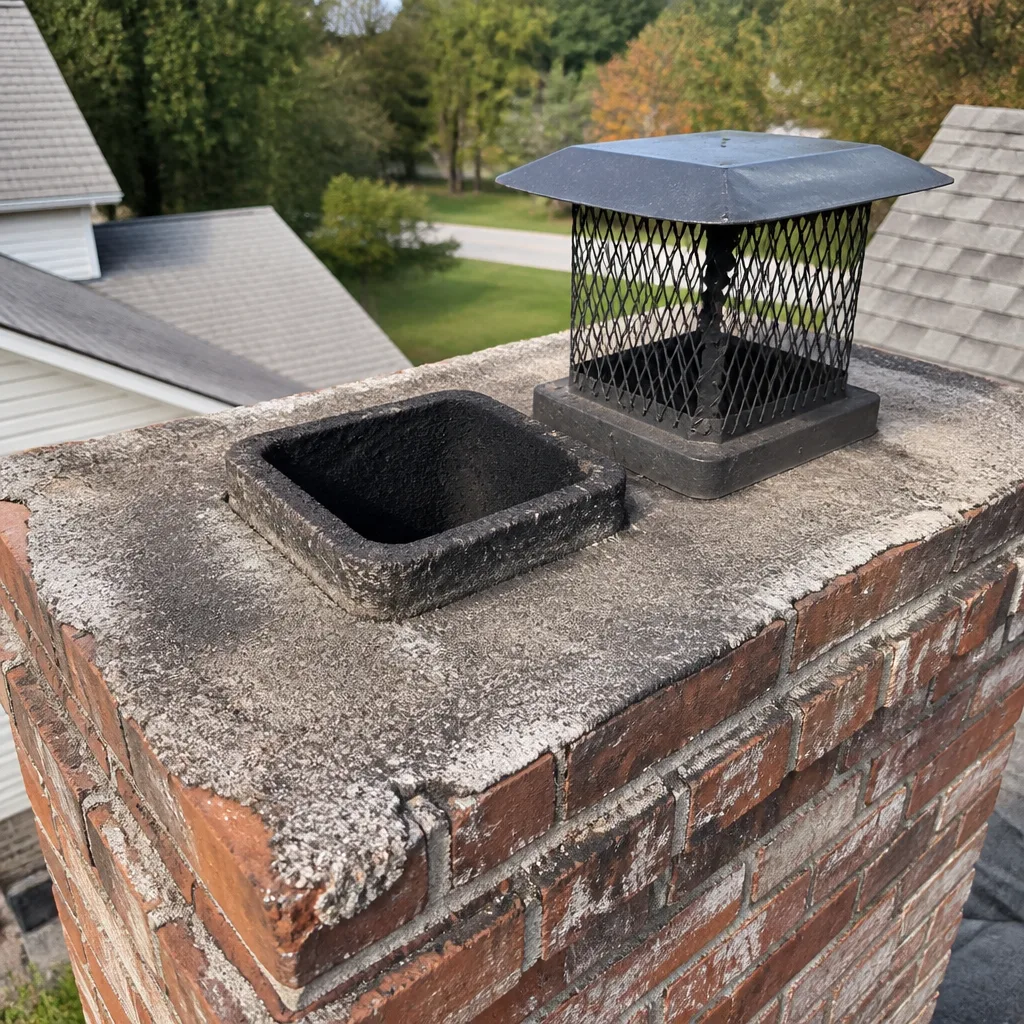
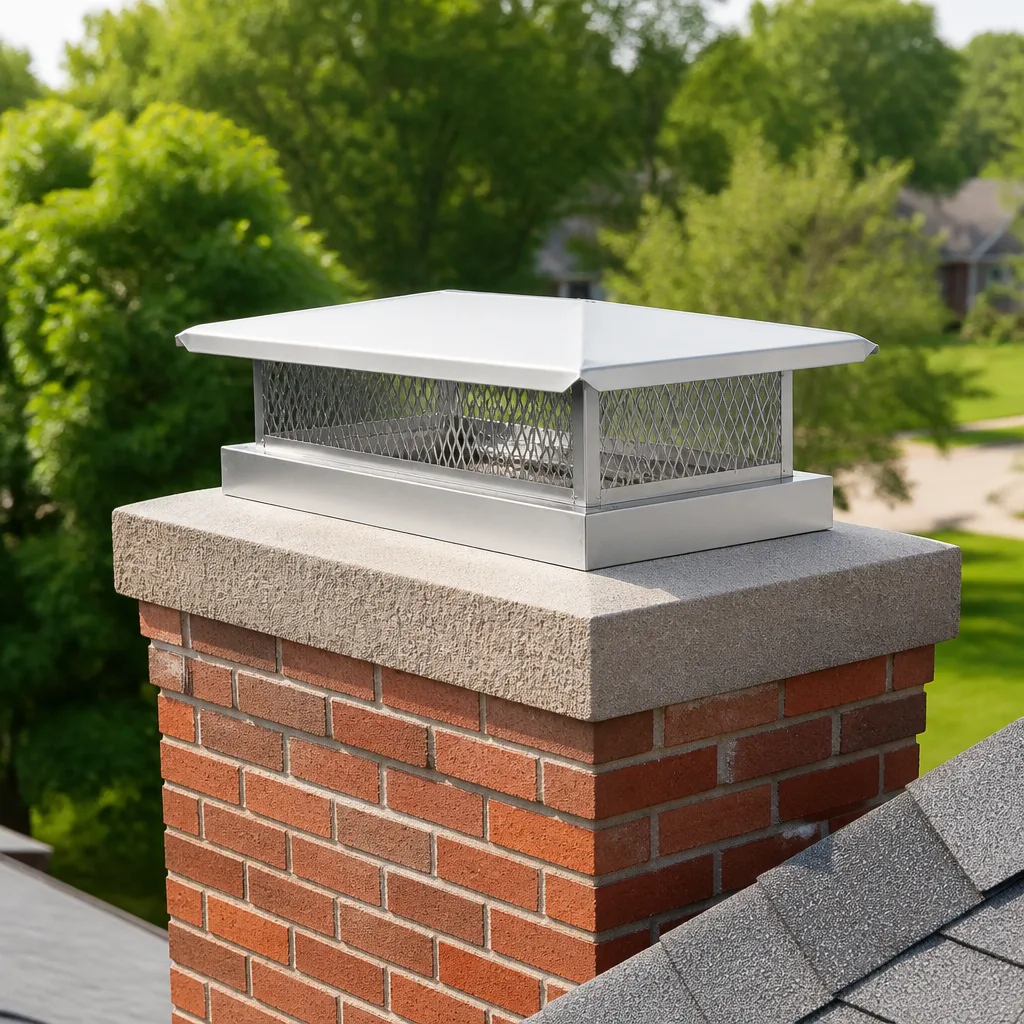
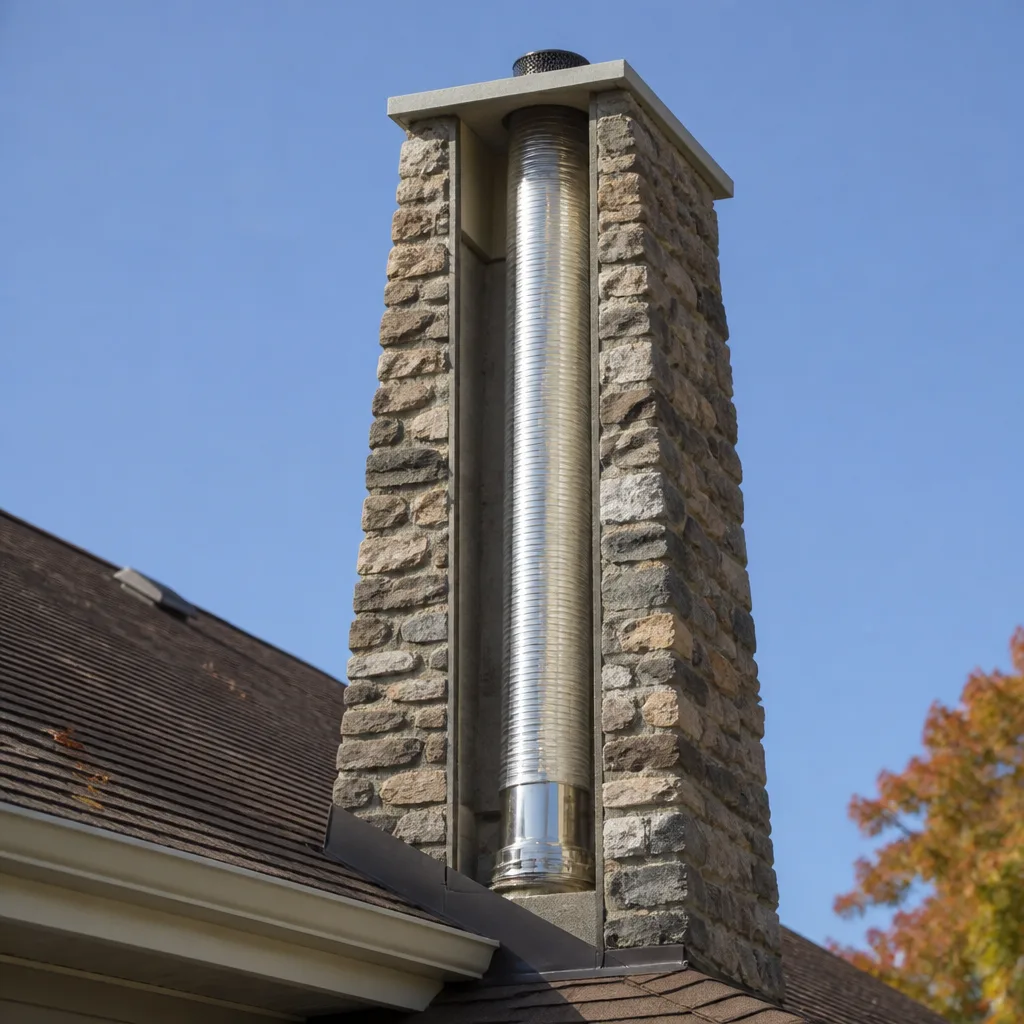
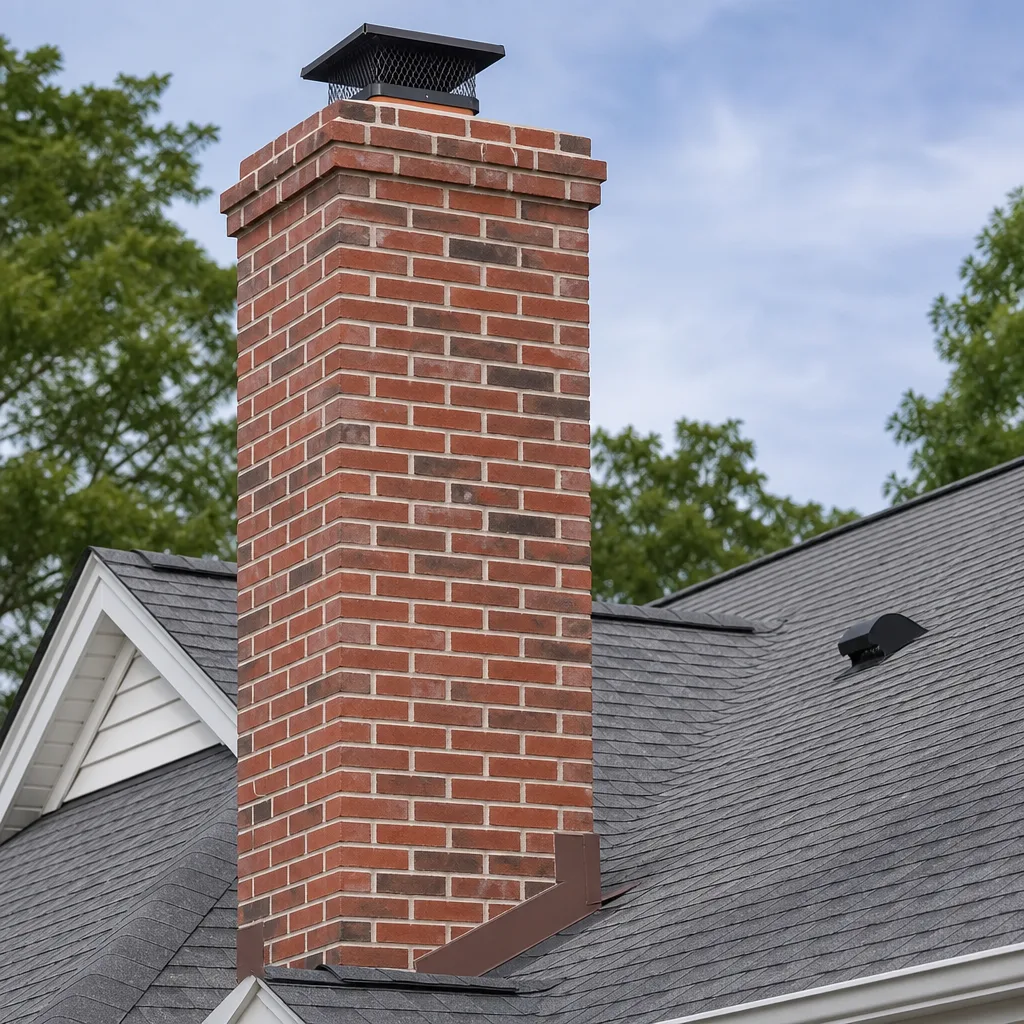
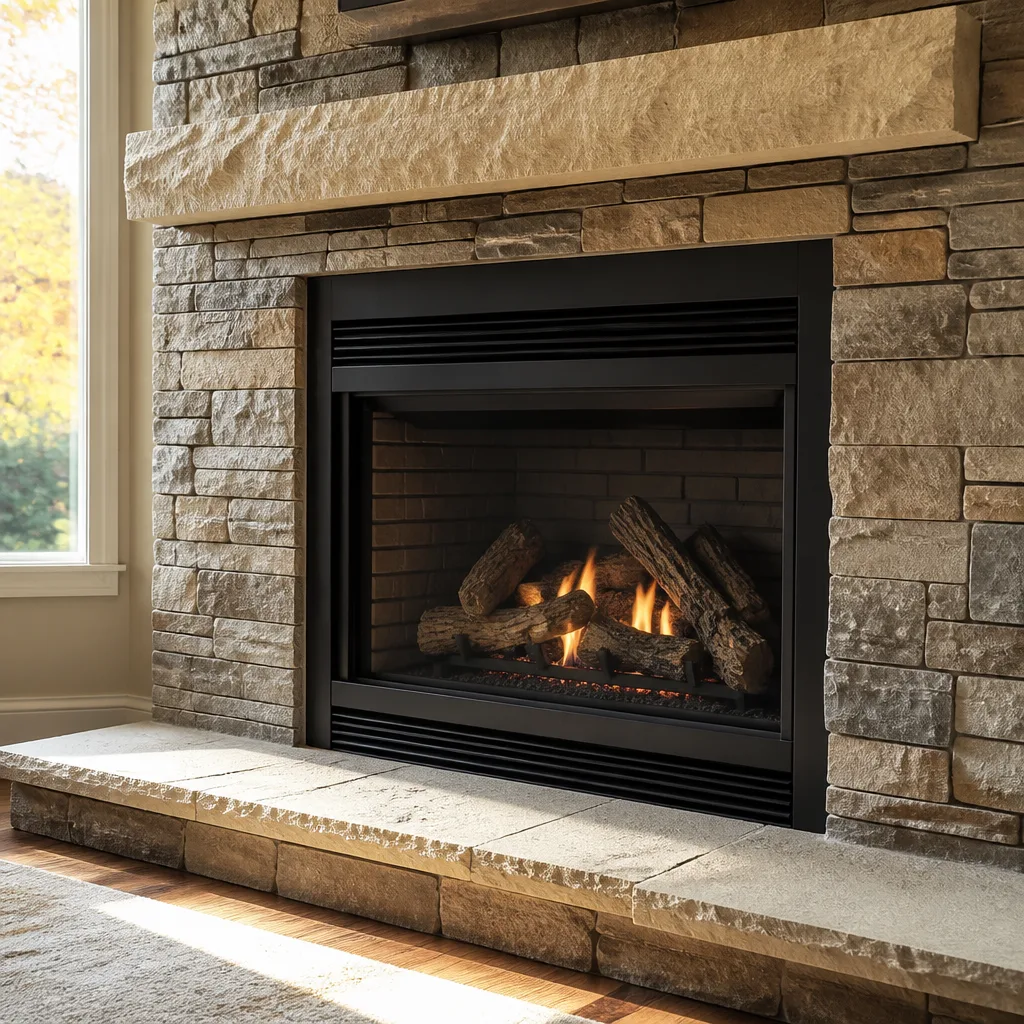
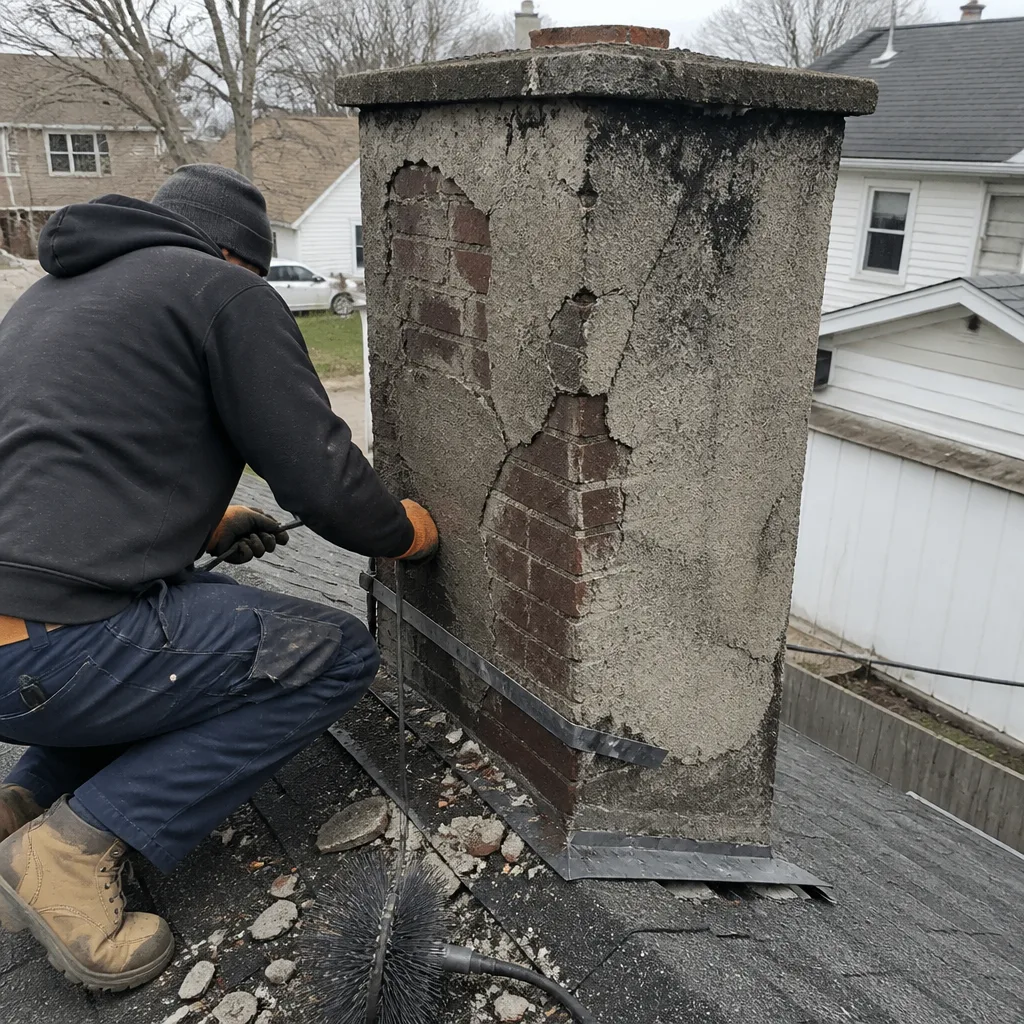 Before
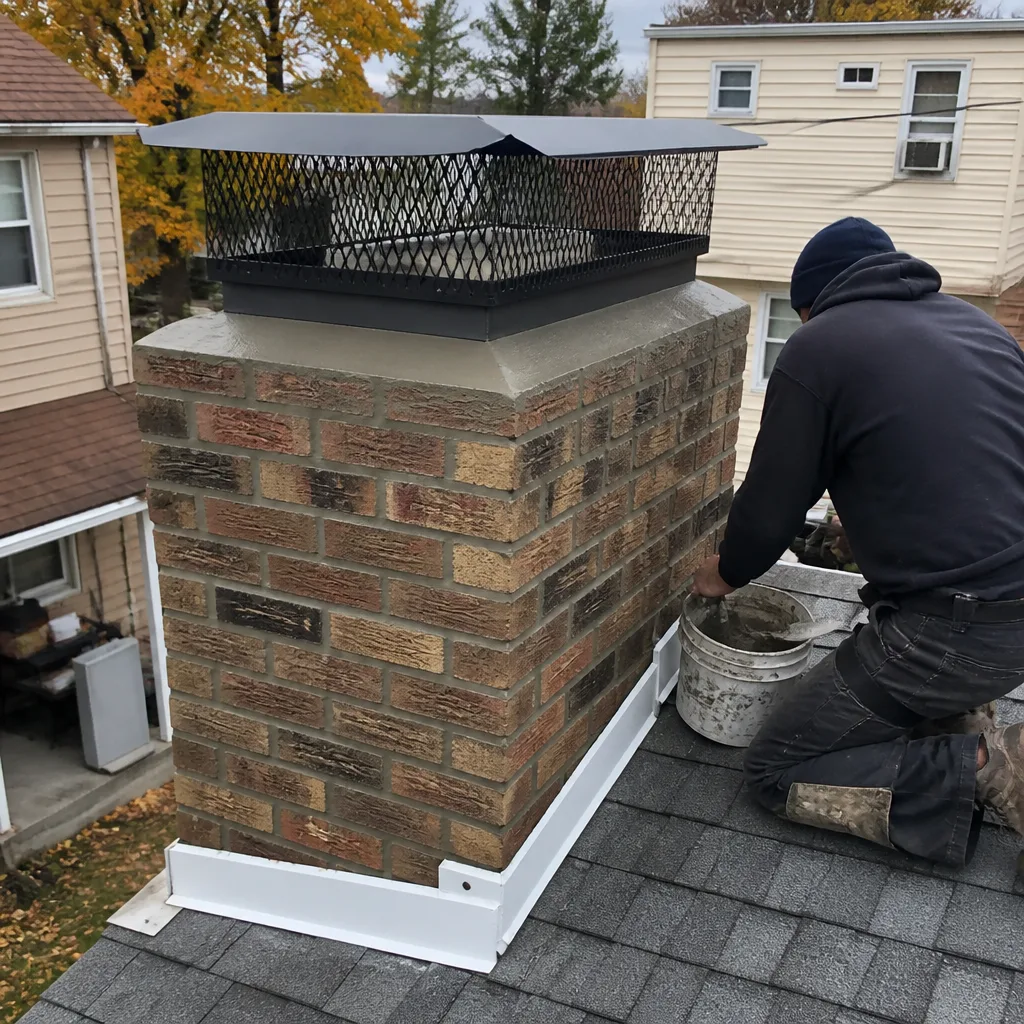 After
After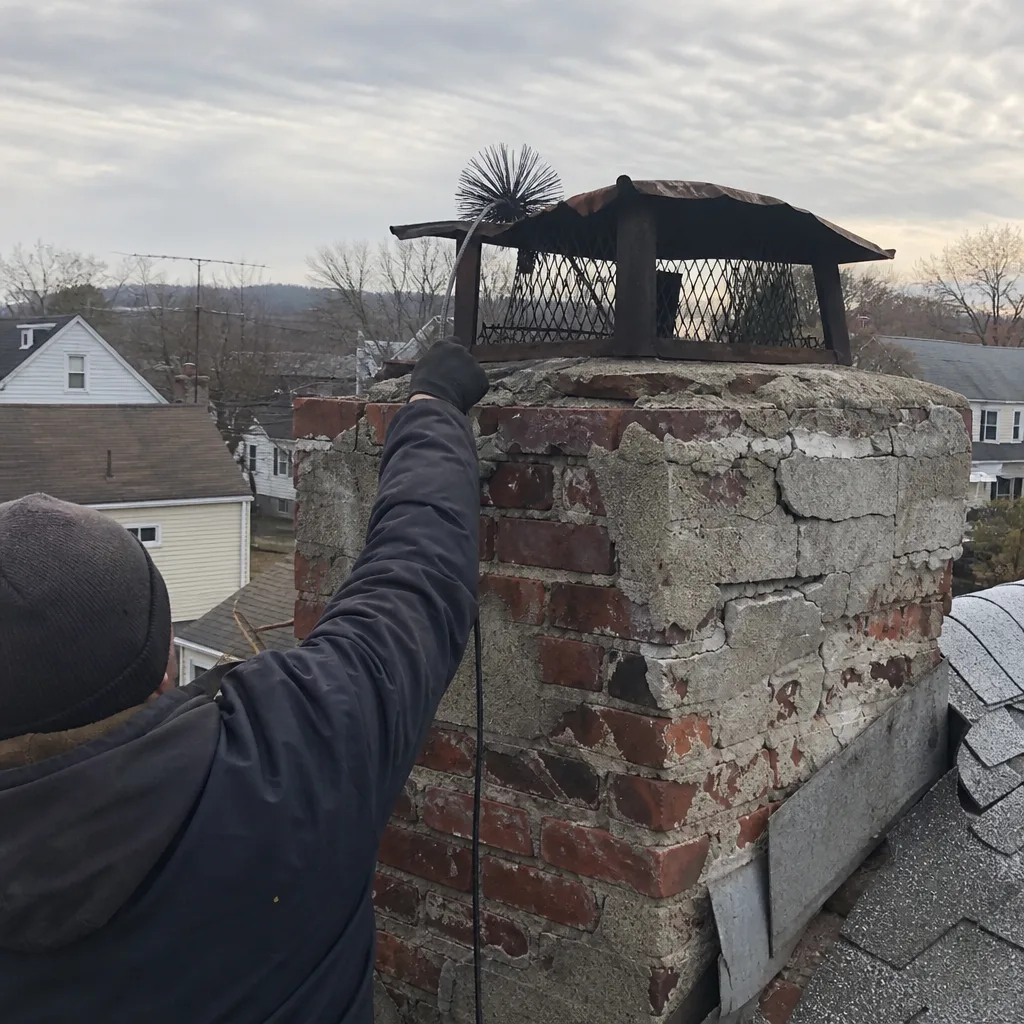 Before
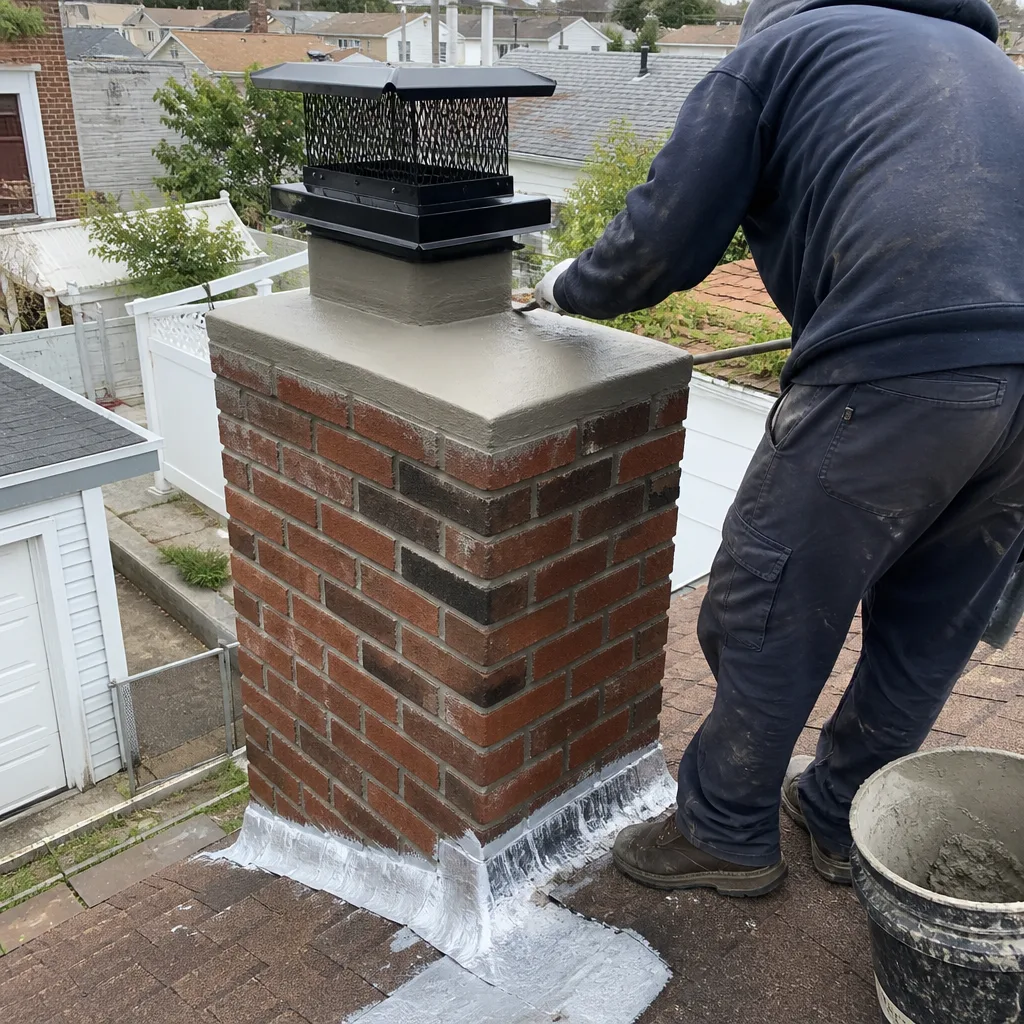 After
After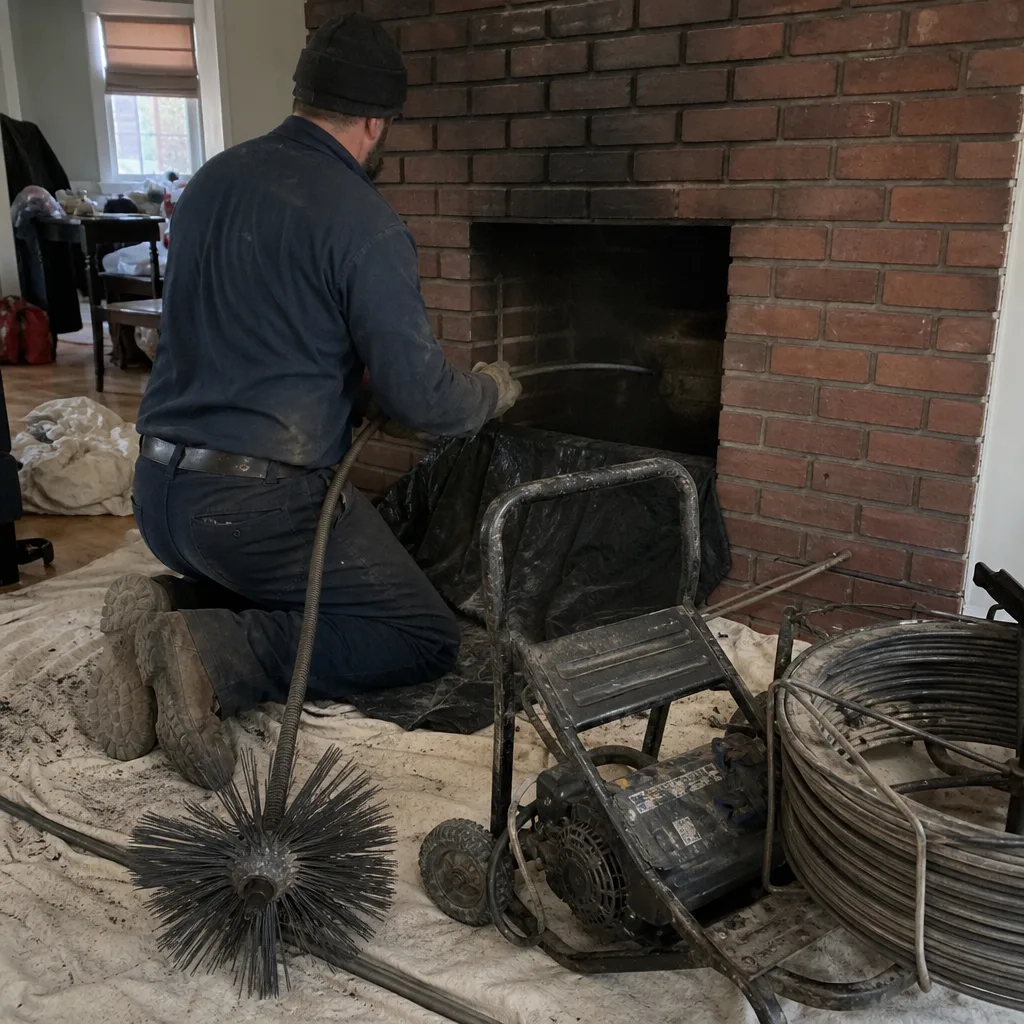 Before
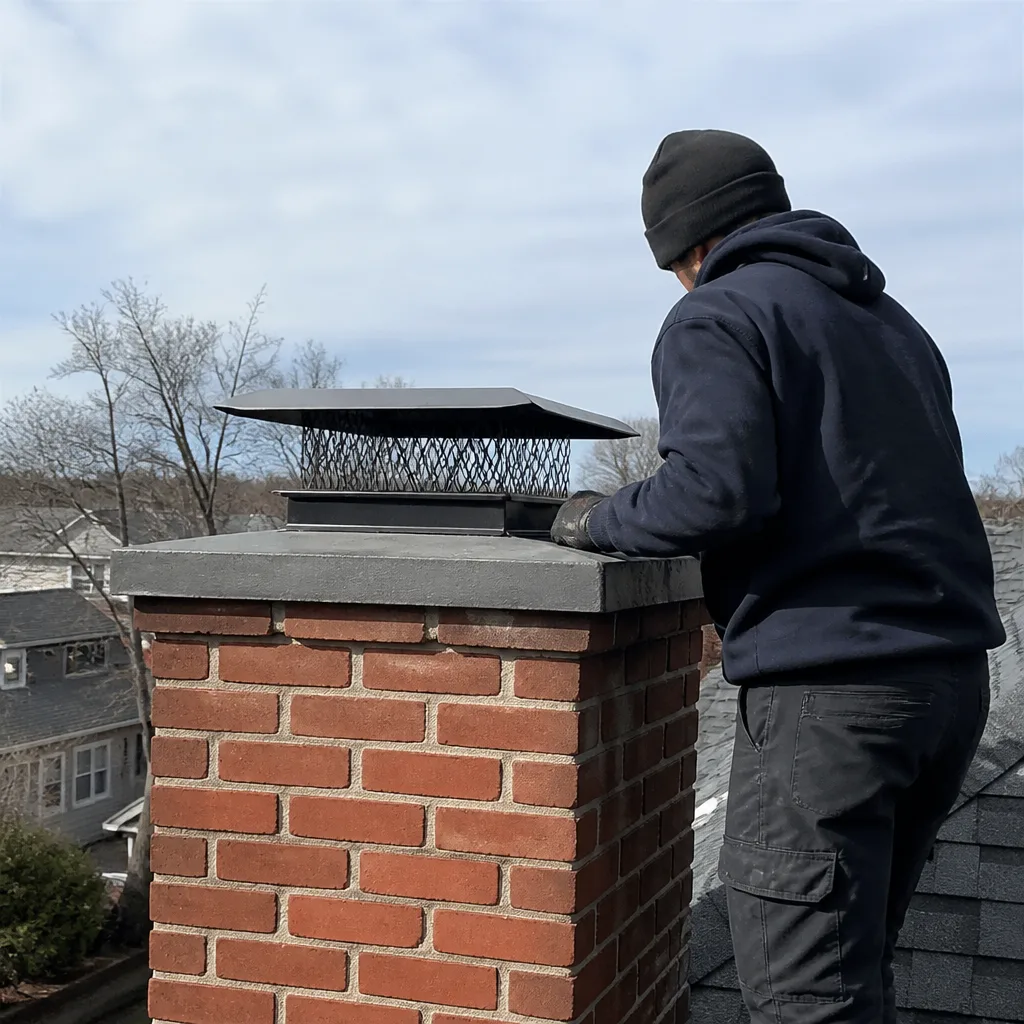 After
AfterChimney Cleaning & Sweep Maintenance Checklist for Paterson Homeowners
Hand a standard chimney checklist to two different sweep companies and you’ll get two completely different interpretations of “inspected.” One tech glances up the flue with a flashlight, checks a box, and calls it done. Another runs a camera the full length of the liner, measures creosote thickness in three locations, and photographs the crown from the roof. Same fireplace, same checklist, wildly different results. That gap exists because most checklists describe tasks, not standards. This guide fixes that. Every item below includes a measurable pass/fail criterion, so a Paterson homeowner can verify the work was actually done, not just accept that someone showed up with a brush. We’ll walk through the pre-season checklist, the post-cleaning verification you can do yourself with a match and a flashlight, the Paterson-specific issues that show up in our brick stock, and the documentation you should walk away holding.
Quick Answer
A Chimney Cleaning & Sweep checklist for Paterson homeowners should cover three phases: pre-season inspection with specific pass/fail thresholds (creosote stage, liner crack width, crown gap size), the sweep itself with documentation of what was removed, and post-cleaning verification the homeowner can perform without tools. The most useful checklist doesn’t just confirm a tech touched each component; it confirms each component now meets a defensible safety standard, with photos and written notes to prove it.
Table of Contents
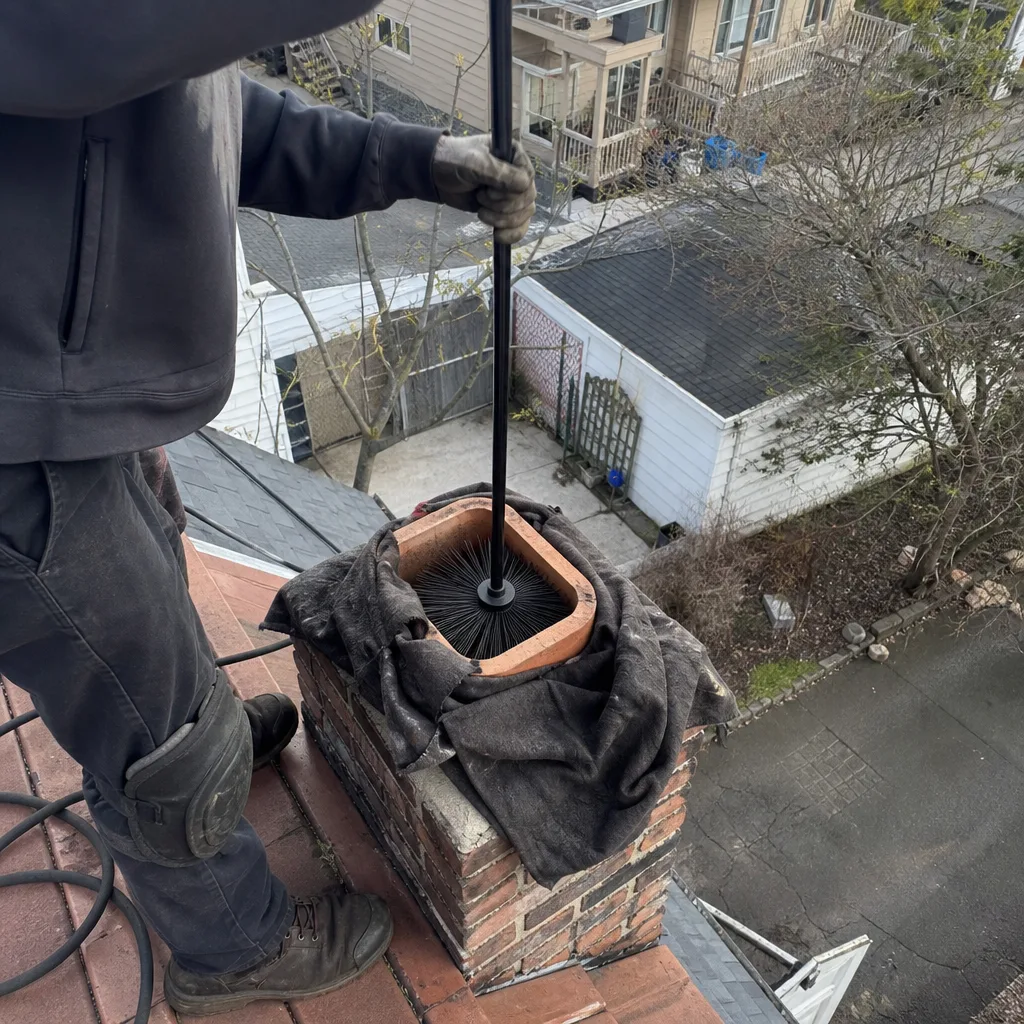
- Why Standard Checklists Fail Paterson Homeowners
- The Pre-Season Inspection Checklist: Pass/Fail Criteria That Actually Mean Something
- Understanding Creosote Classification: Why “Some Buildup” Isn’t a Finding
- The Sweep Itself: What Should Be Done, In What Order
- Post-Cleaning Verification: What You Can Check Without Tools
- Paterson-Specific Issues: Efflorescence, Freeze-Thaw, and Brick Stock
- The Documentation Column: What You Should Walk Away Holding
- Red-Flag Items That Stop the Checklist
- Common Mistakes to Avoid
- When to Call a Professional
- Frequently Asked Questions
BeforeAfterWhy Standard Checklists Fail Paterson Homeowners
Most chimney inspection checklists look like a yes/no form: Flue inspected? Yes. Damper works? Yes. Cap present? Yes. The problem is that “yes” can mean anything. A flue with 1/8 inch of creosote and a flue with 3 inches of glazed creosote both get a “yes” on that form, but one is a maintenance item and the other is a chimney fire waiting to happen. In Paterson, where much of the housing stock dates to the early 20th century and the brick has weathered a century of Hudson Valley freeze-thaw cycles, the difference between “looks okay from the ground” and “passes a Level 2 camera inspection” is often thousands of dollars and a real safety margin-see our Chimney Cleaning Warning Signs: A Paterson Homeowner’s Reference Guide for what to watch for.
We see this on repeat in Paterson’s older neighborhoods: a homeowner has a checklist from a previous sweep that says everything passed six months ago, but the camera footage shows a cracked flue liner behind a damper that was never opened. The checklist was technically accurate. It was also useless. The fix is to demand checklist items with quantitative thresholds. “Creosote removed” is a task. “Creosote removed to less than 1/8 inch thickness, verified by camera at three points” is a standard. One can be faked. The other requires evidence.
Here’s what a defensible checklist covers at minimum: creosote classification by stage and thickness, liner condition with crack width noted, crown gap measurement, smoke chamber parging condition, cap seating and mesh integrity, damper full-travel function, and a draft test result. Each of these has a specific pass/fail threshold we’ll define below. If your current Chimney Cleaning & Sweep in Paterson provider isn’t giving you this level of detail, the checklist is mostly theater.
The Pre-Season Inspection Checklist: Pass/Fail Criteria That Actually Mean Something
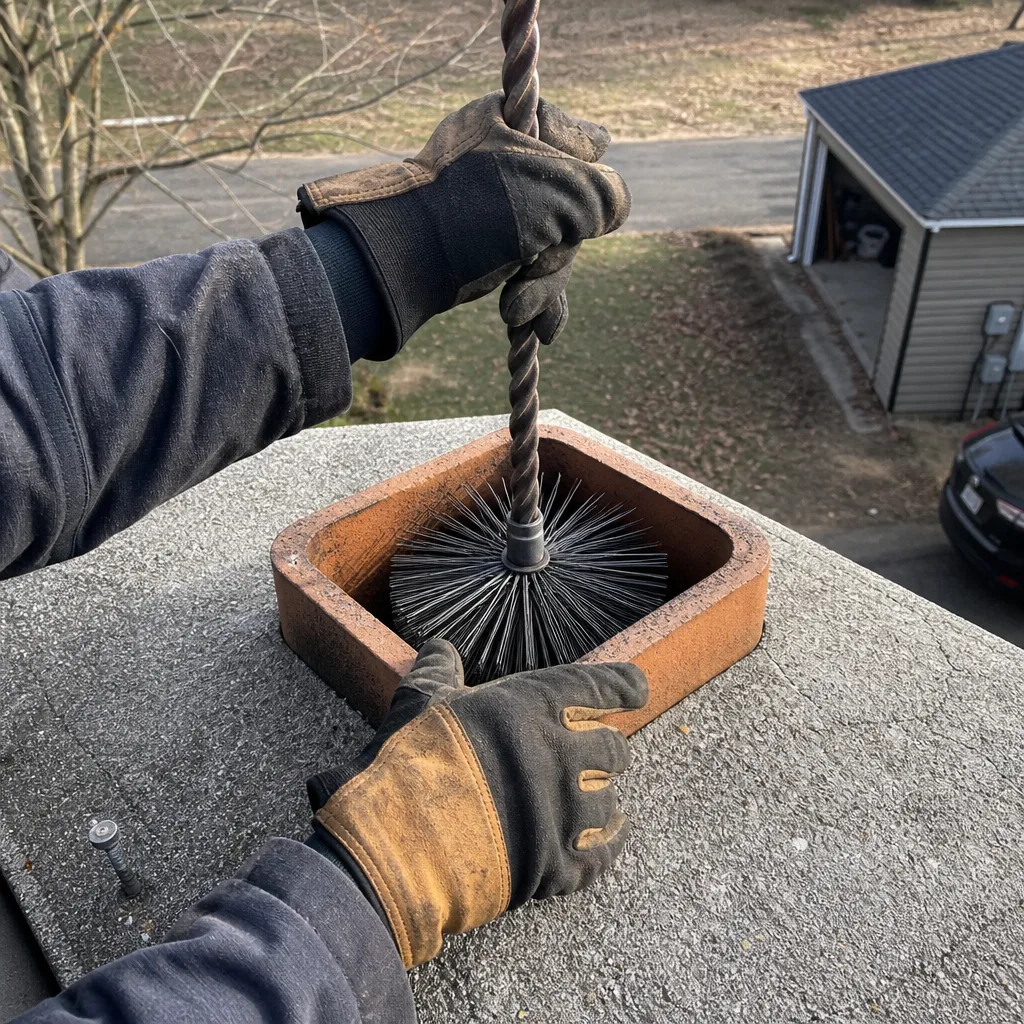
A pre-season inspection has one job: determine whether the fireplace can be used safely and what work, if any, must happen before the first fire. The checklist below uses thresholds we apply on every Level Two Chimney Paterson home inspection. Each item names the pass/fail line explicitly.
- Flue liner condition. PASS: no cracks wider than 1/16 inch, no spalling (flaking clay sections), no gaps between liner tiles. FAIL: any crack wider than 1/16 inch, any displaced tile section, or any gap that permits gas to reach combustible framing. A hairline crack is one thing; a crack you can fit a dime into is a stop-work item.
- Creosote thickness. PASS: less than 1/8 inch of Stage 1 or Stage 2 creosote. FAIL: any Stage 3 glazed creosote, or Stage 2 thicker than 1/4 inch. Stage 3 is the shiny, tar-like glaze that burns at 2,000°F and is the primary fuel for chimney fires.
- Crown integrity. PASS: no cracks wider than 1/8 inch, no missing sections, proper overhang of at least 2 inches beyond the brick. FAIL: cracks wider than 1/8 inch, exposed brick below a failed crown, or standing water pooling on the crown. In Paterson, crown failure is the single biggest driver of freeze-thaw brick damage because water gets in, freezes, and pops the masonry.
- Cap and screen. PASS: cap seated securely, spark arrestor mesh intact with openings no larger than 3/4 inch, no rust-through. FAIL: cap missing or loose, mesh torn or missing entirely (which invites animals and debris), or a cap that’s rusted through.
- Damper function. PASS: opens fully with smooth travel, seals reasonably well when closed, no rust-through on the plate. FAIL: damper rusted open, rusted shut, or so warped it won’t seal. A damper that won’t close is a heat-loss problem and a path for cold air and animals into the house.
- Smoke chamber condition. PASS: parging (the smooth mortar coating) intact, no exposed rough brick, no gaps where smoke could collect. FAIL: parging cracked or missing, visible gaps between corbeled brick, or evidence of past smoke escape through the chamber walls.
- Firebox condition. PASS: refractory brick or firebrick intact, no gaps wider than 1/8 inch in mortar joints, no evidence of heat damage to surrounding framing. FAIL: cracked firebrick with visible gaps to framing, missing mortar that exposes combustibles, or a firebox floor that has dropped.
- Draft test. PASS: match smoke pulls cleanly up the flue when the damper is open, no back-puffing into the room. FAIL: smoke lingers, rolls into the room, or requires a window open to maintain draft. Negative pressure in tight Paterson rowhomes is common; the fix is usually a makeup air solution, not just a taller chimney.
If every item passes, the fireplace is safe to use as-is. If any item fails, the fireplace should not be lit until that item is addressed. We’ve seen homeowners in Paterson’s Hillcrest and Eastside neighborhoods light fires despite a failed damper because “it worked last year.” A failed damper doesn’t stop a fire from drawing. It stops the house from retaining heat and opens a path for embers to reach the interior. Pass/fail thresholds exist because the stakes are real.
Understanding Creosote Classification: Why “Some Buildup” Isn’t a Finding
The single most common phrase in bad chimney reports is “some creosote buildup noted.” That’s not a finding. It’s an observation that could mean a light dusting of flaky soot or a quarter-inch of hardened tar glaze. The National Fire Protection Association classifies creosote into three stages, and the stage determines everything about what needs to happen next.
Stage 1 creosote is the fluffy, soot-like deposit that forms early in a fire. It brushes off easily and is the normal result of burning seasoned wood at adequate temperatures. Threshold: under 1/8 inch. Action: routine sweep removes it. No special treatment needed.
Stage 2 creosote is the crunchy, granular buildup that resembles coffee grounds. It builds when fires burn cooler, often because of less-seasoned wood, restricted air, or a short chimney that doesn’t maintain draft. Threshold: up to 1/4 inch. Action: requires a more aggressive sweep, usually with rotary chains or mechanical scraping. If you have Stage 2, the sweep should tell you and explain what burning habits contributed to it.
Stage 3 creosote is the glazed, shiny, tar-like coating that forms when Stage 2 is repeatedly heated without being removed. It looks like a ceramic glaze inside the flue and is extremely difficult to remove with standard brushes. Threshold: any amount is a stop-fireplace condition. Action: requires chemical treatment, rotary chain cleaning, or in stubborn cases, a liner replacement. Stage 3 glazed creosote is the fuel for the chimney fires that crack liners and spread to framing.
In Paterson, we see more Stage 3 than most homeowners expect. The city’s older rowhomes have interior chimneys with short runs and multiple bends, which cool the smoke faster and accelerate creosote deposition. A homeowner burning kiln-dried wood in a modern fireplace might go two years between cleanings. A homeowner burning oak from a local supplier in a 1920s rowhome might need a sweep every season. The creosote classification tells you which situation you’re in, and it should always be documented by depth measurement, not adjectives.
The Sweep Itself: What Should Be Done, In What Order
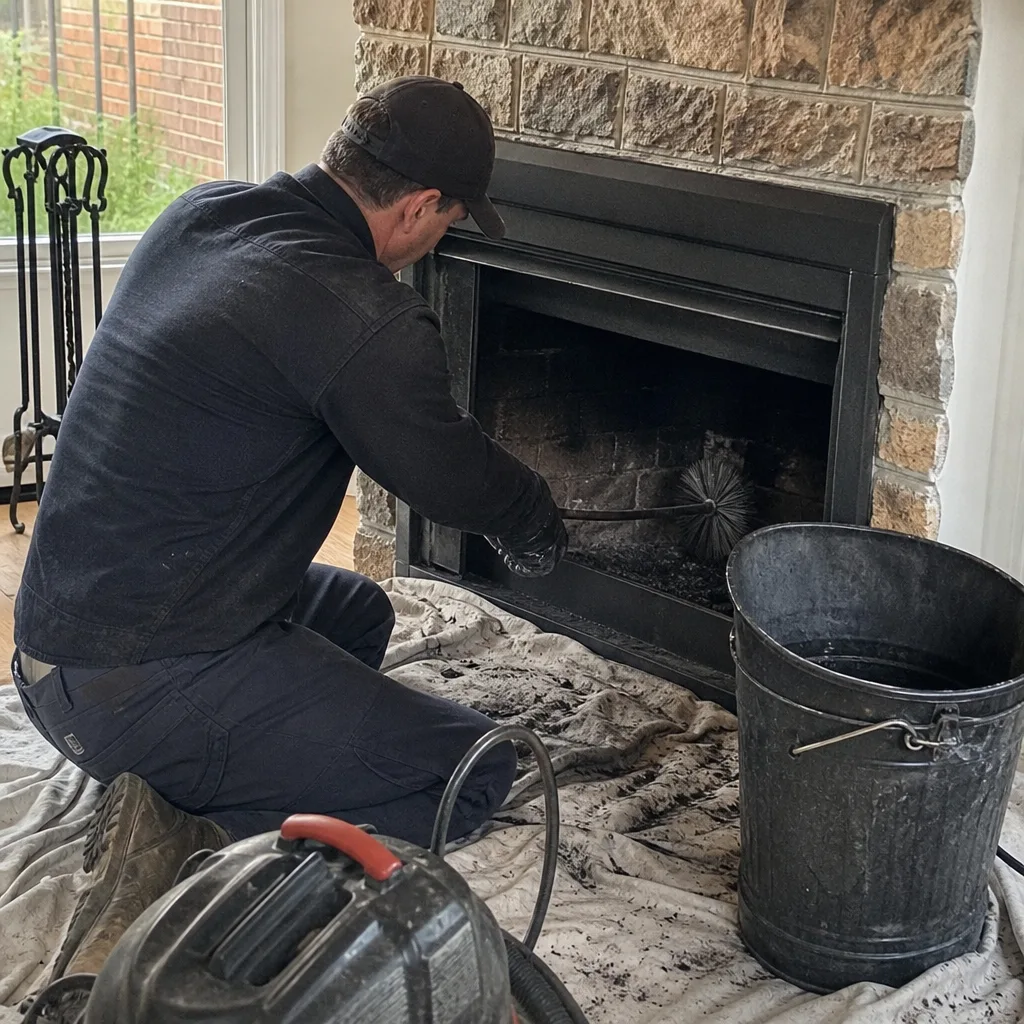
A proper sweep follows a sequence. The order matters because sweeping a flue before covering the firebox puts a pound of creosote dust into the living room, and sweeping before inspecting means you remove the evidence you need to see. Here’s the sequence we follow on every cleaning in Paterson, and the one you should expect from any provider.
- Protect the hearth area. Drop cloths or plastic sheeting sealed around the firebox opening with tape. A HEPA vacuum running during the entire sweep to capture airborne dust. If a company shows up without a vacuum capable of HEPA filtration, the dust will end up in your carpets and lungs.
- Remove the damper assembly or fully open the throat. This gives the tech clear access to the smoke chamber and flue above the firebox. A damper left partially closed during a sweep means the brush never reaches the first few feet of flue, which is often where the worst creosote sits.
- Mechanical sweeping from the top down. The brush enters at the crown and works downward in overlapping strokes. Each pass should overlap the previous by about a third of the brush diameter. A bottom-up sweep is appropriate in some situations, but top-down is standard because it sends debris down into the firebox where the vacuum captures it.
- Rotary or chemical treatment if needed. If the pre-inspection found Stage 2 thick enough to warrant it or any Stage 3, the brush alone won’t do the job. Rotary chains spin at high speed to break up hardened deposits. Chemical treatments like creosote modifier products can be applied and left to work before returning for a follow-up sweep. Materials from brands like Copperfield and Gelco are common in these treatments.
- Smoke chamber cleaning. The smoke chamber sits between the damper and the flue. It’s the area most often skipped because it’s awkward to reach. Smoke chamber parging and brushing should happen on every sweep, not just “when needed.”
- Firebox cleaning. Remove the fallen creosote, ash, and debris from the firebox floor and walls. A clean firebox makes the post-sweep inspection possible.
- Post-sweep camera verification. Run the camera the full flue length again to confirm what was removed and identify anything the pre-inspection missed. This is the documentation step that separates a professional sweep from a brush-and-run. Clause 4 of the Haven Standard requires a photo record on every job, and that record should include before and after images of the flue interior.
This sequence should take 45 to 90 minutes for a standard masonry chimney. If a company in Paterson quotes 20 minutes and $59, you’re not getting a sweep. You’re getting a brush shoved up a flue with no inspection, no vacuum, and no documentation.
Post-Cleaning Verification: What You Can Check Without Tools
After the sweep leaves, there are five things you can verify yourself with a flashlight and a match. No special equipment, no climbing on the roof. These checks confirm the work was real.
- The smoke chamber is clean. Shine a flashlight up past the damper opening into the smoke chamber. You should see smooth, clean parging, not black fuzzy walls. If the smoke chamber still looks like the inside of a barbecue smoker, that section was skipped.
- The firebox floor is clear. There should be no pile of creosote flakes or soot left behind. Some dust is normal; cups of debris are not.
- The damper operates fully. Open and close it a few times. It should move smoothly through its full range and seat reasonably well when closed. If it was working before the sweep and now sticks or won’t close, the brush likely knocked it out of alignment.
- The cap is seated. From the ground, you should be able to see the cap centered on the crown, not tilted or hanging off one edge. If you can see the cap, it’s on wrong.
- A match test confirms draft. With the damper open, light a match or a stick of incense and hold it near the firebox opening. The smoke should pull into the firebox and up the flue. If it lingers or rolls into the room, the flue isn’t drafting, and the fireplace isn’t ready to use regardless of how clean it is.
If any of these fail, call back and ask for the tech to return. A sweep that leaves the chimney undrafting or the damper inoperable hasn’t completed the job. In Paterson, where we service hundreds of rowhomes with shared chimney stacks, a back-puffing fireplace on a cold December night is not something you discover while hosting Thanksgiving. Run these checks before you need the fireplace, not after.
Paterson-Specific Issues: Efflorescence, Freeze-Thaw, and Brick Stock
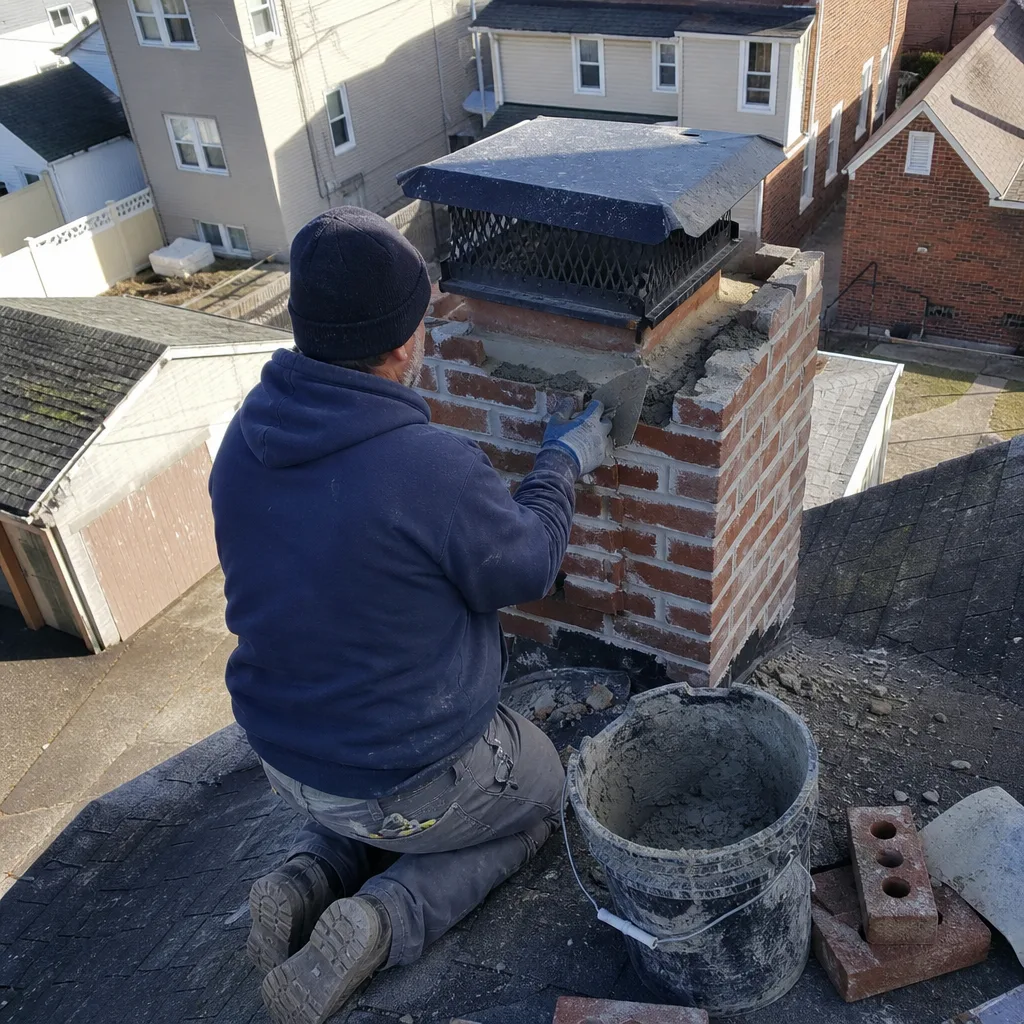
Paterson’s brick stock is old and specific. Much of the housing in neighborhoods like the Eastside, Hillcrest, and South Paterson was built between 1880 and 1930 using local brick fired in Passaic County kilns. That brick is softer and more porous than modern extruded brick, which means it absorbs water faster and holds it longer. Two consequences follow, and both show up in chimney inspections here more than almost anywhere else in New Jersey.
Efflorescence. That white, chalky powder you see on exterior chimney brick is efflorescence: mineral salts carried to the surface by evaporating water. It’s not just cosmetic. Efflorescence means water is moving through the brick, and water movement through brick in a Paterson winter means freeze-thaw cycling. Each cycle expands the water by about 9% as it freezes, slowly pushing the brick apart from inside. A chimney with significant efflorescence needs the water entry point identified and sealed: usually a failed crown, open mortar joints, or a missing or damaged cap. Painting over efflorescence or washing it off without addressing the water source just hides the symptom until the brick spalls.
Freeze-thaw damage. Paterson averages 20 to 30 freeze-thaw events per winter. Each one stresses every water-saturated mortar joint on an exterior chimney. We see mortar joints in Paterson that look like sand was scraped out of them, leaving gaps that let water reach the flue liner. On a chimney with a clay tile liner, that water eventually reaches the tile, freezes, and cracks it. The sequence is predictable: efflorescence, then mortar failure, then liner crack, then a chimney that’s unsafe to use. The fix at the mortar stage is a tuckpointing and crown repair. The fix at the liner stage is a Chimney Repair in Paterson involving a new flue liner, often a DuraFlex stainless steel system, and the cost triples.
If you live in a Paterson rowhome with an exterior chimney, check it every spring and fall. Look for new efflorescence, crumbling mortar, or bricks that appear to be flaking (spalling). The earlier you catch it, the less expensive the repair. If you’re not sure what you’re looking at, a camera inspection includes exterior chimney photography and can show you the difference between surface staining and structural water damage.
The Documentation Column: What You Should Walk Away Holding
The single biggest thing missing from most chimney checklists is a documentation column. Every item on the checklist should map to a piece of evidence the homeowner receives when the job is done. Without that, the checklist is just a memory of what someone said. Here’s what each item should produce.
- Flue liner inspection. Document: camera footage or still images showing the full liner interior, with any cracks or gaps visibly annotated. If the tech sees a crack but can’t show you a photo of it, the crack is an assertion, not a finding.
- Creosote measurement. Document: written creosote classification (Stage 1, 2, or 3) with thickness measurements taken at the top, middle, and bottom of the flue. One number is not enough; creosote deposits unevenly.
- Crown inspection. Document: exterior photos of the crown from the roof, with any cracks or gaps measured and photographed up close.
- Damper function. Document: a written note confirming full-travel operation and whether the damper seals. A video showing the damper opening and closing from inside the firebox is ideal.
- Draft test. Document: a written draft reading if using a manometer, or at minimum a note that the match/incense test was performed and passed. “Passed” with no description of how it was tested is not documentation.
- Post-sweep verification. Document: after-cleaning camera footage showing the flue with creosote removed to the threshold you were told.
This is what a real inspection produces. It’s the practice that became Clause 4 of the Haven Standard, and it’s been the default at Level Two Chimney Paterson since 2009, when we started putting a camera down every flue and giving homeowners the footage. If a sweep company in Paterson won’t hand you photos, they’re not documenting anything. You’re paying for work you can’t verify, and that’s not a standard; it’s a hope.
Red-Flag Items That Stop the Checklist
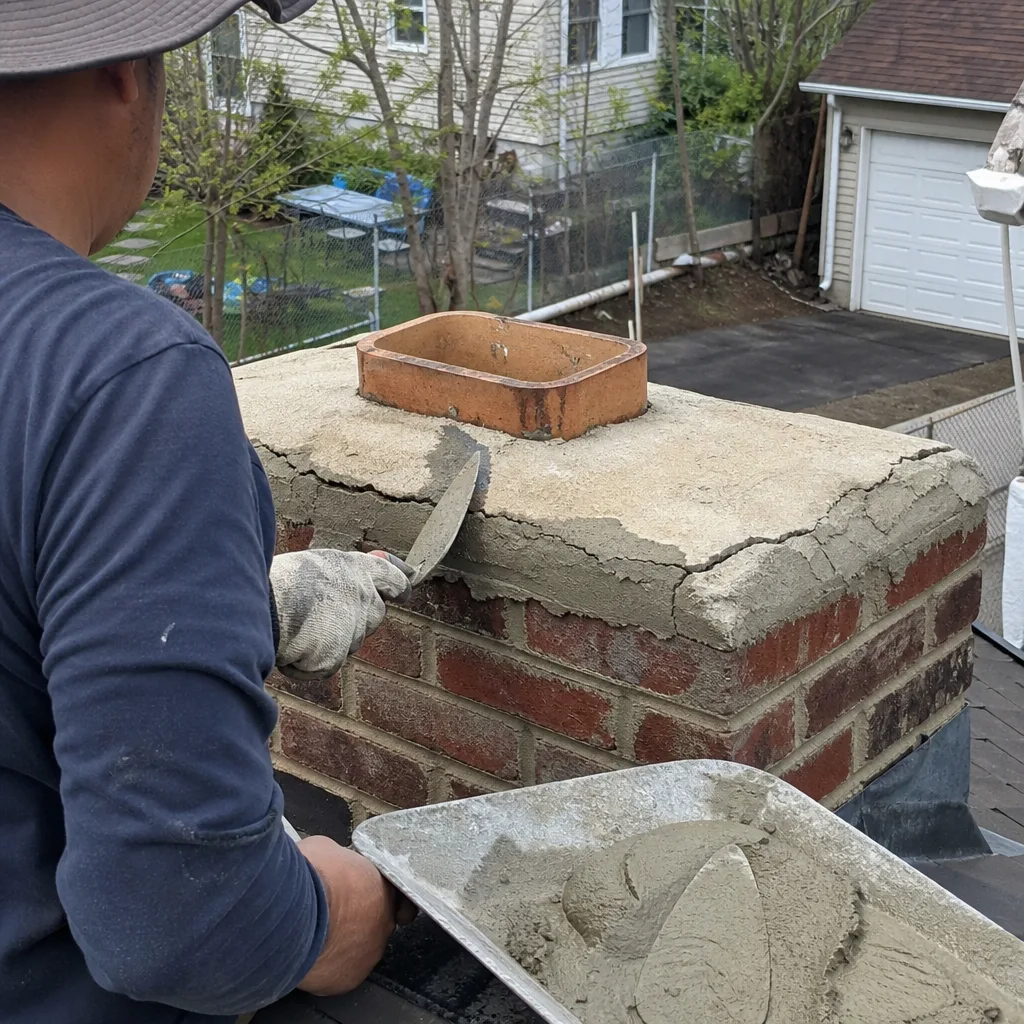
Some conditions mean the fireplace should not be lit until a follow-up is completed. These aren’t “keep an eye on it” items. They’re “the next fire could be the one that gets out of the chimney” items.
- Stage 3 glazed creosote. Shiny, tar-like coating on the flue walls. This burns at 2,000°F and is the fuel source for chimney fires that crack liners and ignite framing.
- Cracked flue liner with exposed brick. Any crack wider than 1/16 inch that allows combustion gases to reach the brick or framing behind the liner. Carbon monoxide can move through those cracks into living spaces.
- Disconnected or separated liner sections. If the camera shows a gap between liner tiles where one section has dropped, the flue is no longer a continuous pathway. Gases leak into the chimney cavity.
- Failed parging in the smoke chamber. Exposed, rough brick in the smoke chamber collects creosote that can’t be reached by normal sweeping and can ignite.
- Damper stuck open with ember passage. A damper that won’t close fully can let embers rise into the flue when you don’t want them there, or let cold air pour down into the house. More critically, a damper that’s rusted in the open position is a sign of water intrusion above it.
- Evidence of a previous chimney fire. Cracked flue tiles with heat-discolored edges, melted or warped metal components, or creosote that has expanded and bubbled. A chimney that’s survived one fire has already compromised its liner and is more likely to fail on the next one. This often requires a Fireplace Services in Paterson visit to assess the full extent.
If any of these show up in your inspection, the fireplace is out of service until repairs are completed. No exception. We know that’s not what anyone wants to hear in October when the nights are getting cold, but the alternative is a chimney fire in a Paterson rowhome that shares a wall with three other homes. The stakes are not just yours.
Common Mistakes to Avoid
- Treating the checklist as proof of safety. A completed checklist proves someone touched the chimney. It doesn’t prove the chimney is safe. The safety proof is in the measurements, photos, and pass/fail thresholds, not the checkmarks.
- Skipping the post-sweep verification. Homeowners often skip the match test or forget to look up the flue after the tech leaves. Five minutes of your own verification catches skipped work immediately.
- Burning unseasoned wood and then blaming the sweep. Paterson rowhomes with short chimneys already run cold. Adding wet wood on top of that is a recipe for Stage 2 creosote in a single season. If the sweep says the creosote staging increased since last year, look at your wood supply before scheduling an extra cleaning.
- Ignoring exterior chimney signs. Efflorescence and spalling brick on the outside of the chimney are warnings that water is getting in. Waiting until the fireplace won’t draft or you can see daylight through the mortar is waiting too long.
- Choosing the cheap sweep. A $59 sweep in Paterson is a brush on a pole with no vacuum, no camera, and no documentation. It might remove some loose creosote. It won’t tell you if your liner is cracked, your crown is failing, or your cap is missing. You’re paying for a task, not a standard.
- Saving the inspection for “next year.” Paterson’s housing stock doesn’t reward deferred maintenance. A crack that’s 1/16 inch this year is 1/4 inch after another freeze-thaw winter, and the repair cost doubles or triples. The cheapest day to fix a chimney problem is the day you find out about it.
When to Call a Professional
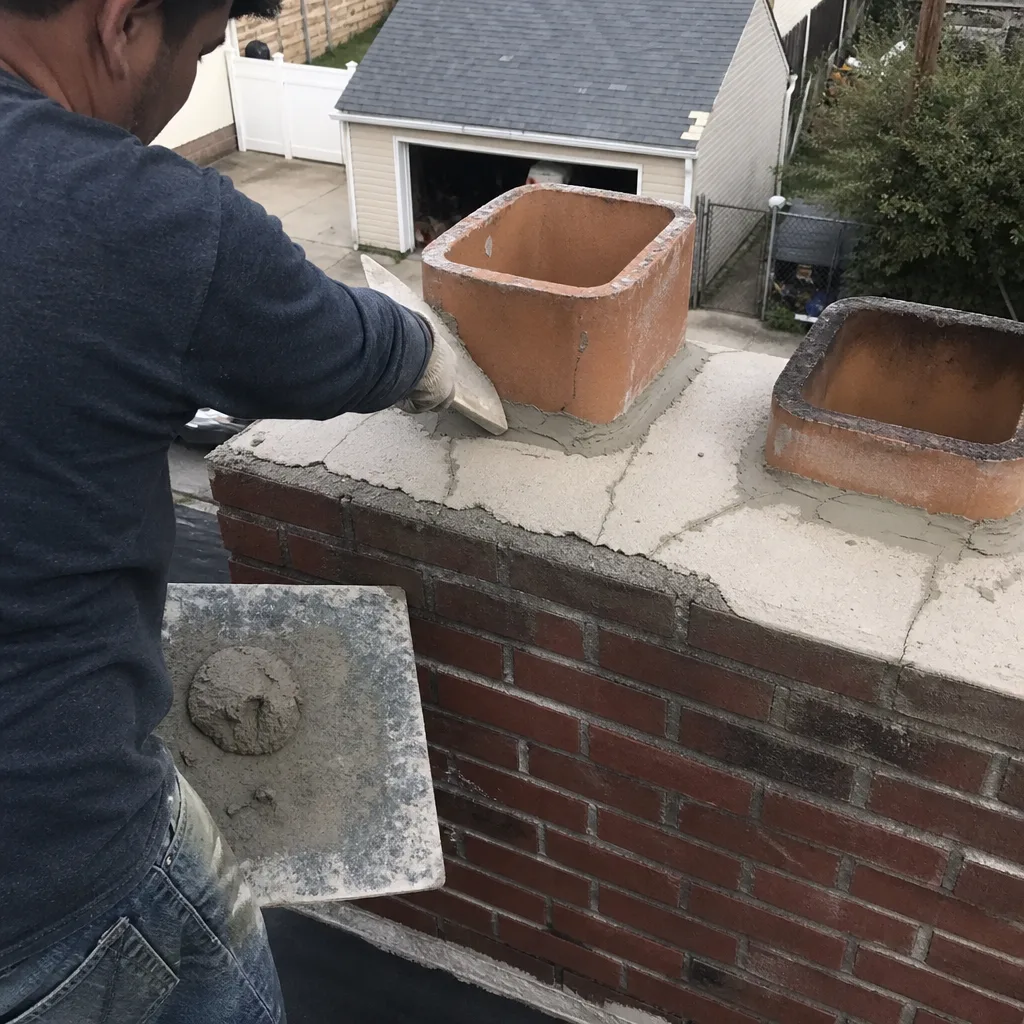
Call a professional when the checklist produces a red-flag item, when your post-sweep verification fails, or when you haven’t had a camera inspection in more than two years. For more guides & resources, visit our blog. Also call if you’re buying or selling a home in Paterson: a Level 2 inspection is standard practice for real estate transactions and will catch liner issues, hidden water damage, and code compliance problems before they become deal-breakers. If you smell smoke when the fireplace isn’t in use, see water stains on interior walls near the chimney, or notice new efflorescence on the exterior brick, those are calls too. Level Two Chimney Paterson offers free estimates in Paterson: call (862) 356-5229 and we’ll schedule a camera inspection with a written report and photo documentation.
Frequently Asked Questions
A standard chimney cleaning and sweep in Paterson typically costs $180 to $340, depending on flue height, creosote stage, and access. A Level 2 camera inspection with the full documentation described above runs $250 to $450 when combined with a cleaning. If a company quotes under $100, you’re getting a brush on a pole, not an inspection. Level Two Chimney Paterson provides a written price before any work starts, so you know exactly what you’re paying before the tech begins. Call (862) 356-5229 for a free estimate.
A chimney in Paterson should be swept every 50 to 70 fires, or at minimum once per year if you use the fireplace regularly. For the city’s older rowhomes with interior chimneys and short flue runs, we often recommend twice per season if you’re burning multiple fires per week from November through March. The real answer comes from the creosote measurement: if the sweep documents more than 1/8 inch of buildup at any point in the flue, you’re either burning too often between cleanings or your wood isn’t seasoned enough.
You need a new liner when the camera shows cracks wider than 1/16 inch, separated sections, or heat damage from a previous fire. That’s the threshold we use, and it’s the threshold we show you in the footage. If a company tells you the liner is failing but can’t show you a photo of the crack, get a second opinion. Level Two Chimney Paterson offers a free second opinion on any written estimate from another company. We’re happy to review their photos or run our own camera and show you exactly what we see.
Creosote accumulates in proportion to the number of fires you burn and how efficiently they burn. In a Paterson rowhome with a short interior chimney, two seasons of regular fires without a sweep can produce Stage 2 creosote thick enough to sustain a chimney fire. The fire itself may be contained to the flue, or it may crack the liner and spread to framing. What we see most often is not a dramatic house fire but a slow degradation: liner cracks that leak carbon monoxide into wall cavities, water damage from a failed crown that got ignored, and repair bills that could have stayed small with an annual cleaning. Call (862) 356-5229 to get on a schedule before the burning season starts.
You can perform the post-cleaning verification items yourself: the match test, the visual smoke chamber check, the damper operation check. You can also monitor exterior brick for efflorescence and spalling. What you cannot safely do yourself is the sweep and inspection. Working on a roof in Paterson’s winter conditions is dangerous, and reaching the flue interior without a camera means you’re guessing. A DIY sweep with a store-bought brush from the firebox up will remove some loose soot from the first few feet of flue, but it won’t touch the upper flue or the smoke chamber, and it won’t tell you if your liner is cracked. The dangerous part isn’t just the height. It’s the false confidence of a partially-cleaned chimney. Hire a professional with a camera and a written report.
The free estimate from Level Two Chimney Paterson includes a written scope of work and a written price, delivered before any work begins. It’s not a “camera inspection lite” where we come out and eyeball the chimney from the driveway. You get the same Haven Standard documentation practice we’ve run since 2009: a named technician, a scheduled arrival time with text notification, and a written quote that describes exactly what we found and exactly what we’ll do. Call (862) 356-5229 and you’ll talk to a live person, not a voicemail.
The Bottom Line

A chimney cleaning and sweep checklist is only as good as the pass/fail criteria it uses and the documentation it produces. Tasks are not evidence. “Inspected” is not a finding. In Paterson, where the brick is old, the winters are hard, and the chimneys are short, homeowners need a standard that says exactly what was found, what it measured, and what it looks like on camera. The checklist above gives you that standard. Run the pre-season inspection with real thresholds, verify the sweep with your own eyes and a match, keep the documentation file, and act on red-flag items immediately. The fireplace you use in December depends on what you checked in October.
Written by Corrine Halstead, Owner at Level Two Chimney Paterson, serving Paterson since 2009.