
Last updated September 20, 2026
Level 1 sweep and inspection to the NFPA 211 annual standard - flue, crown, cap, and flashing checked and photographed
Chimney sweep logs do not sweep chimneys. They loosen some creosote - which then falls where a brush and vacuum still have to collect it.
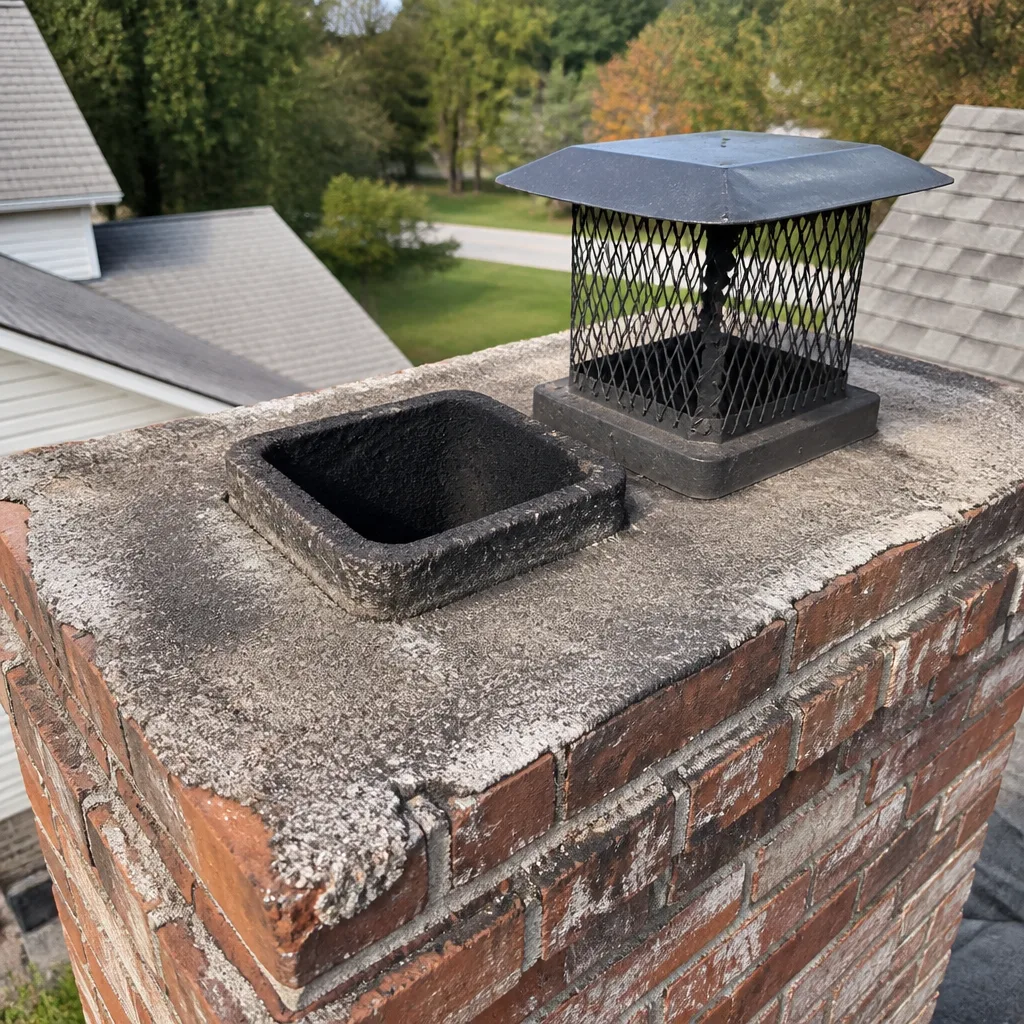
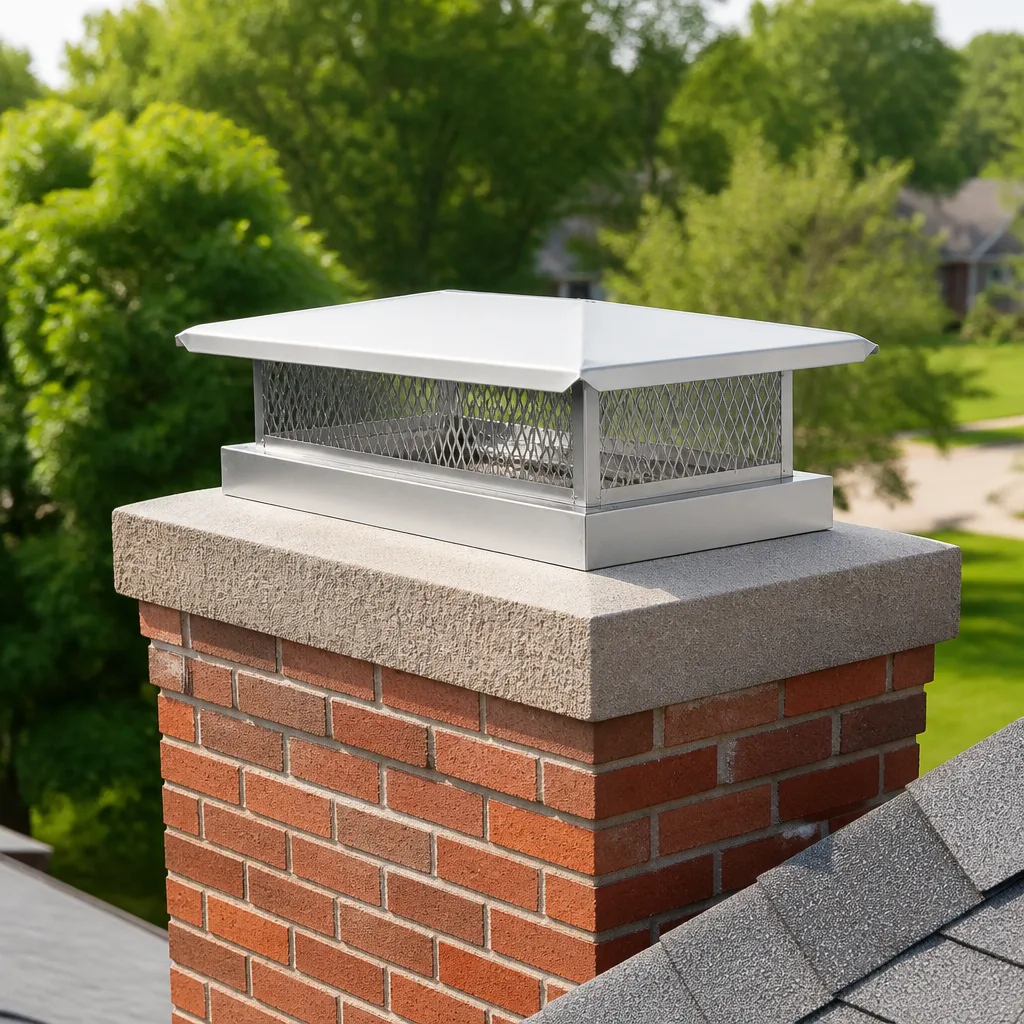
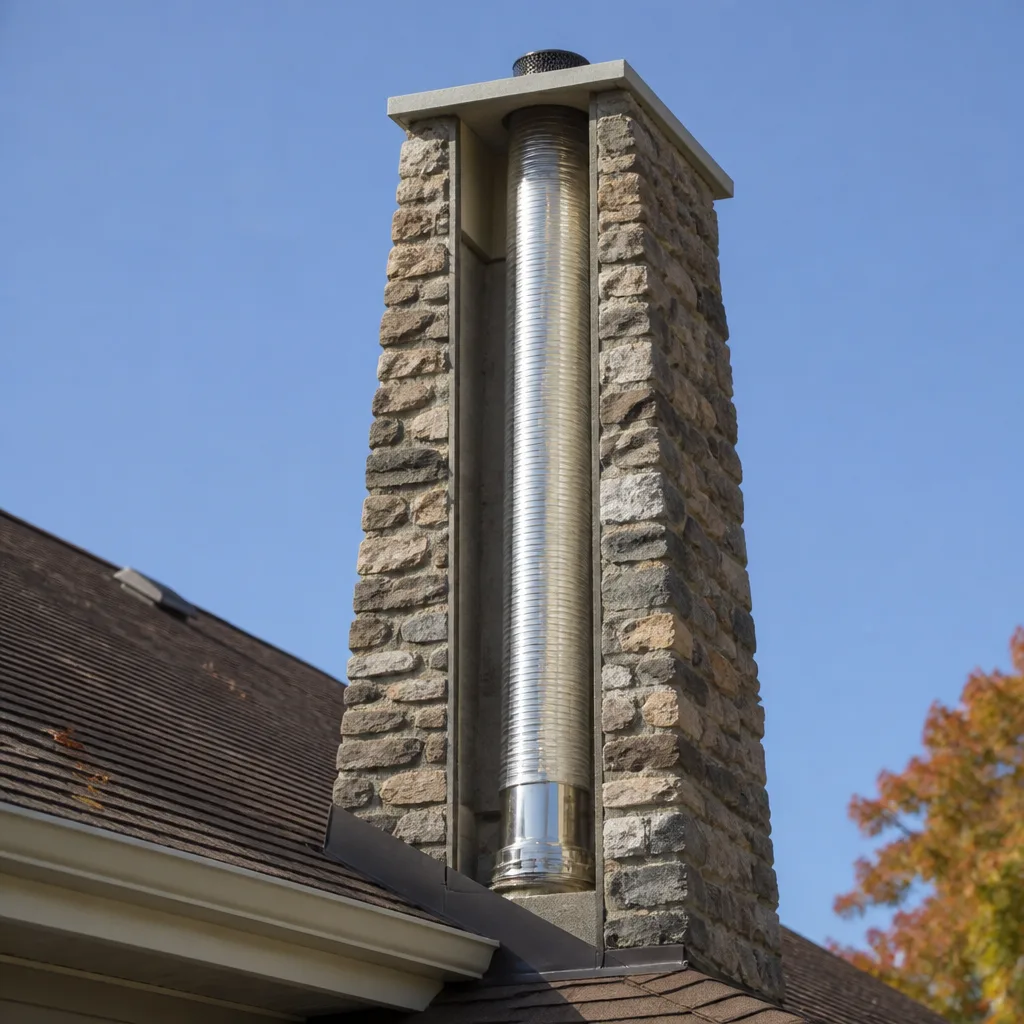
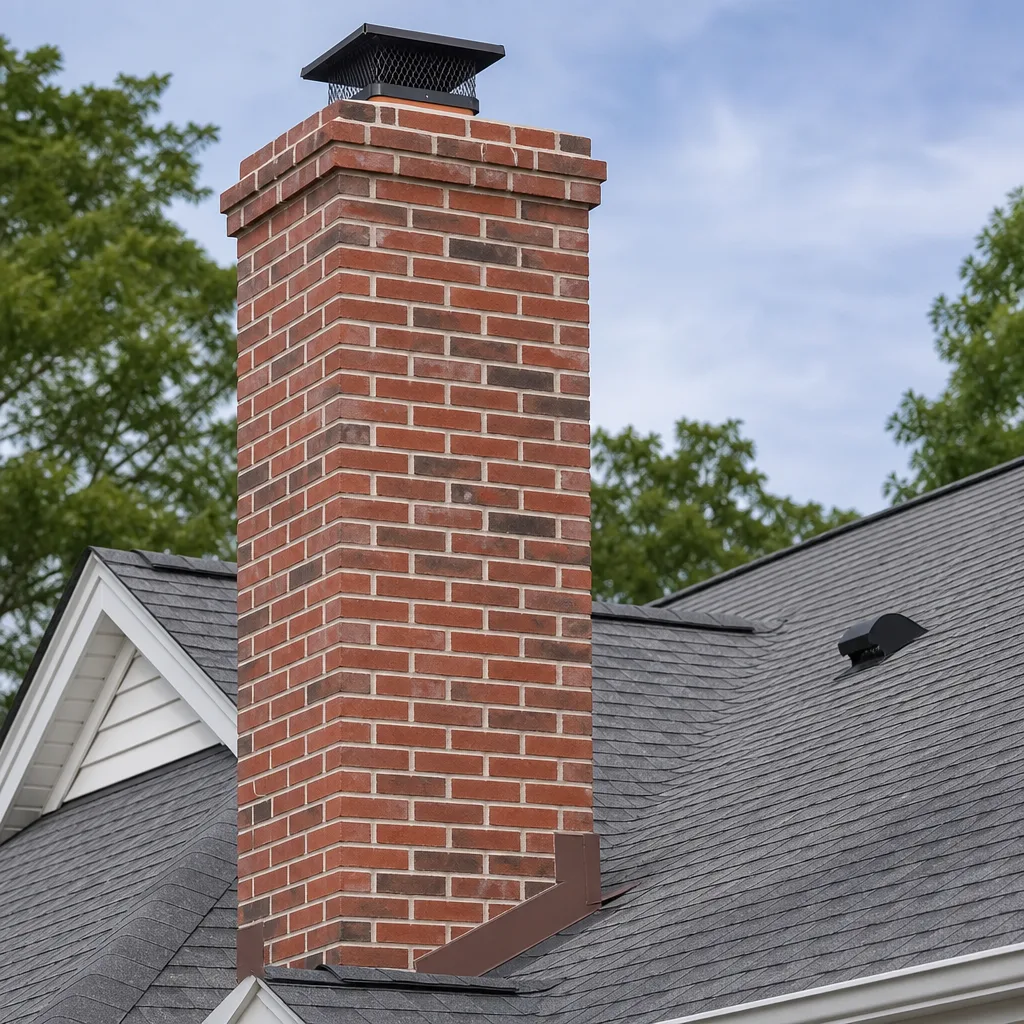
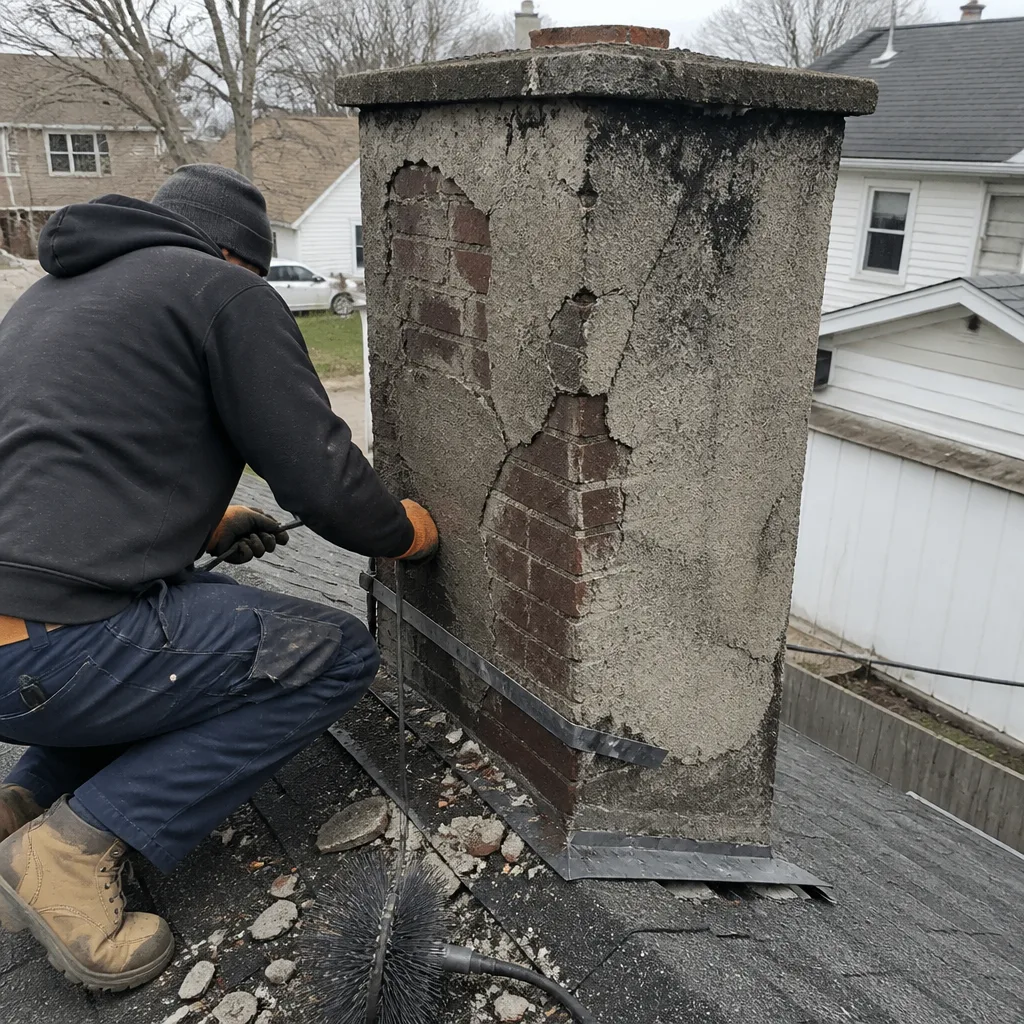 Before
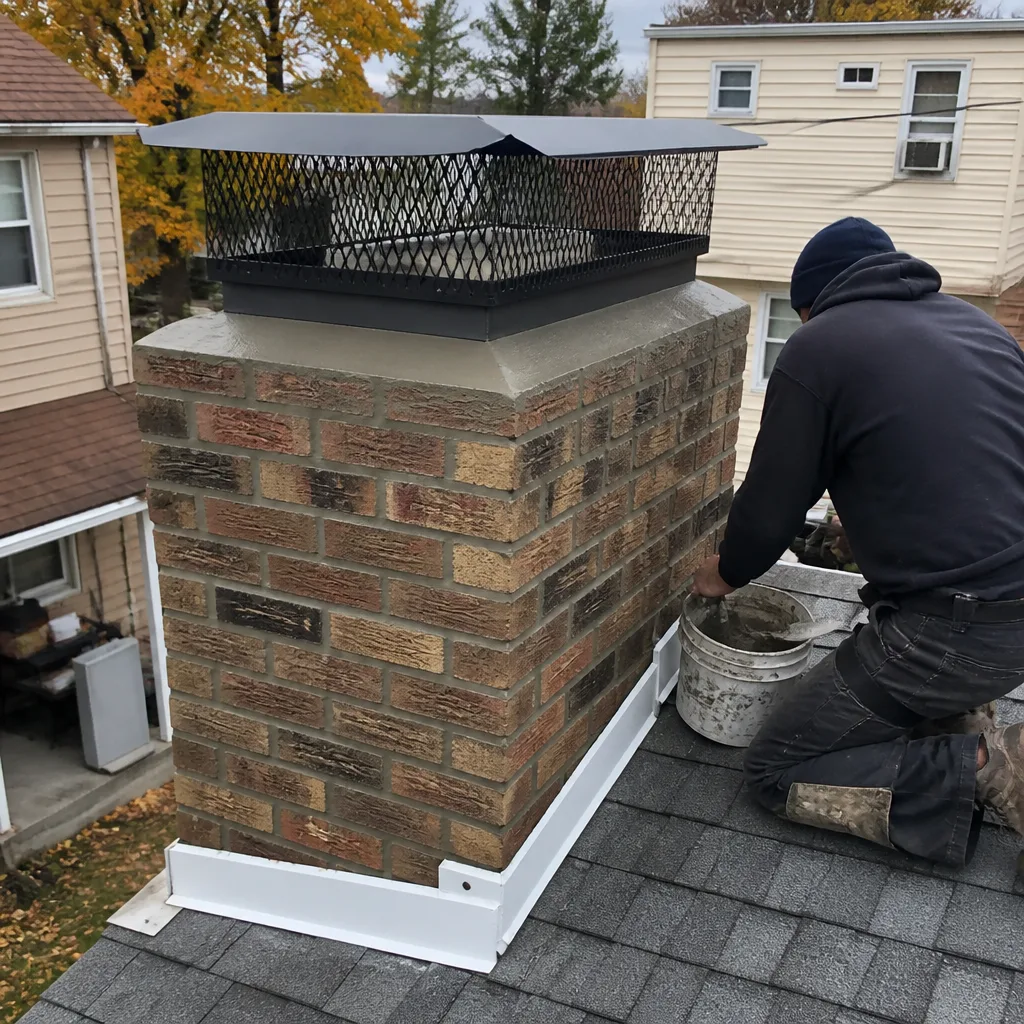 After
After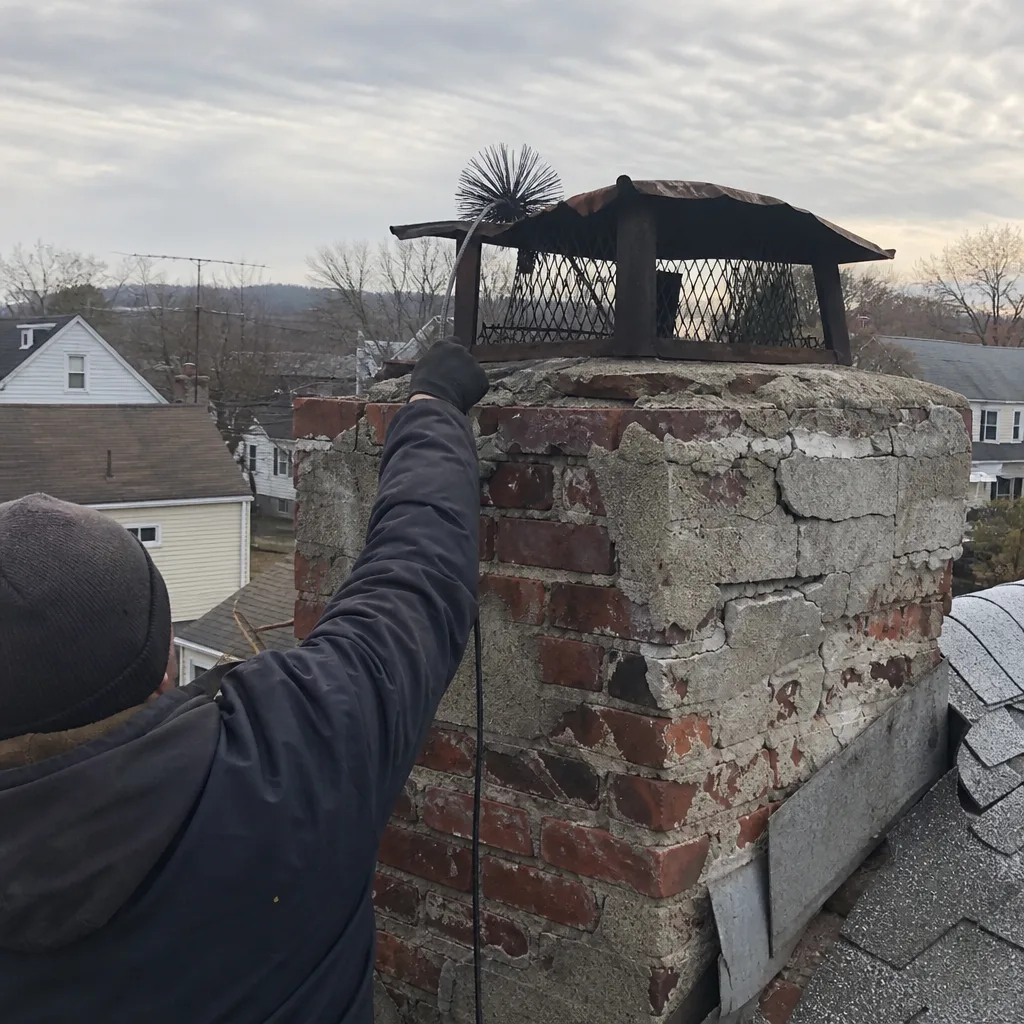 Before
 After
After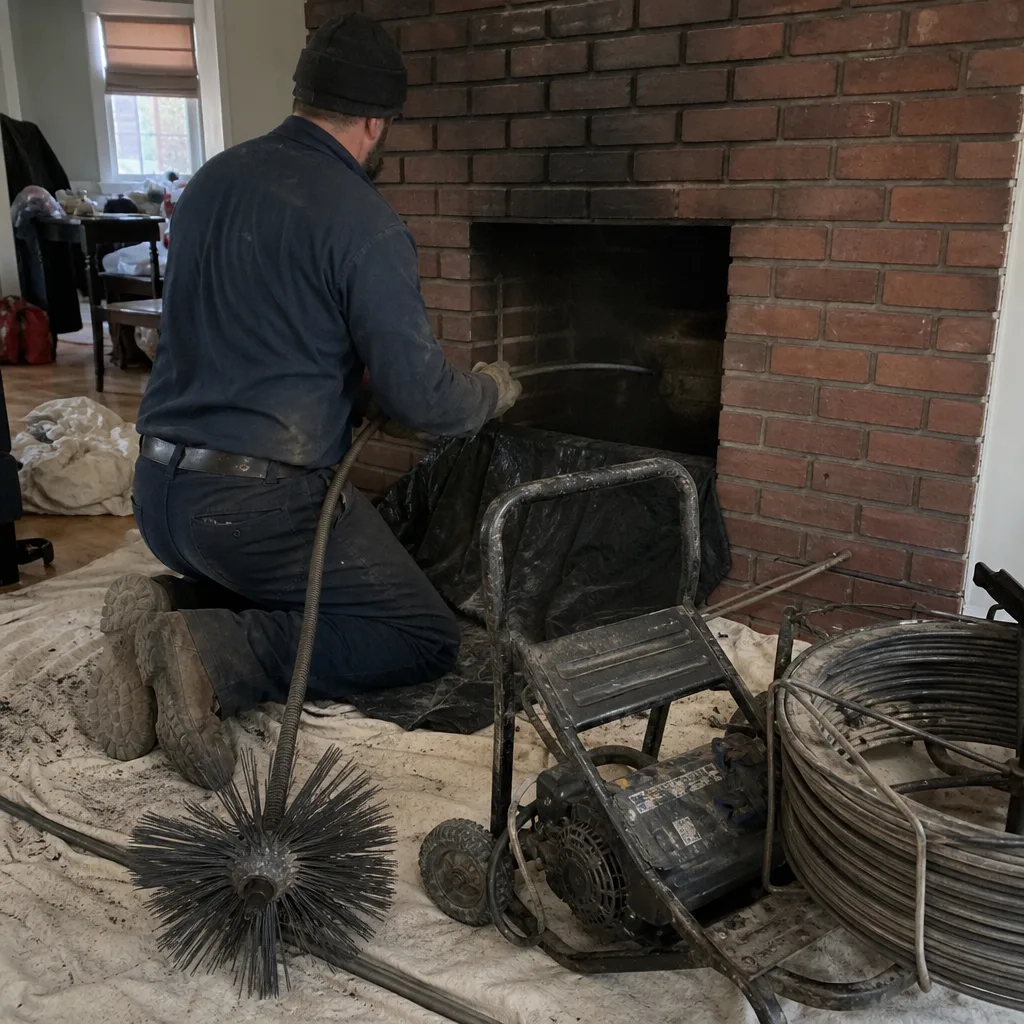 Before
 After
AfterThe Complete Guide to Chimney Cleaning in Paterson
The NFPA reports that 27% of home heating fires trace to chimneys that were “cleaned” within the prior 12 months. Meaning the cleaning happened but the documentation proving it was complete did not. That gap between what gets swept and what gets verified is where Paterson homeowners lose houses. This guide maps every component of your flue system, what actually accumulates on each one, and the evidence standard that confirms the work was done. If you own a home in Paterson, especially in the pre-war housing stock that defines this city, you need to understand what’s happening above your firebox.
Quick Answer
Chimney cleaning in Paterson typically costs $189-$289 for a standard sweep with a Level 1 inspection, and $289-$389 when a Level 2 camera scan is included. A proper cleaning addresses all five flue system components: firebox, smoke chamber, flue liner, crown, and cap. The difference between a visual sweep and a documented camera inspection is the difference between evidence and opinion.
Table of Contents
- The Five Components of Your Flue System
- Why Paterson’s Housing Stock Creates Distinct Creosote Risks
- Visual Sweep vs. Level 2 Camera Scan: What Actually Gets Documented
- What Cleaning Addresses vs. What It Cannot Fix
- What a Written, Itemized Service Record Looks Like
- Seasonal Sequencing in Paterson: When to Schedule and What to Expect
- Common Mistakes to Avoid
- When to Call a Professional
- Frequently Asked Questions
- The Bottom Line
BeforeAfterThe Five Components of Your Flue System
Most Paterson homeowners think of their chimney as one thing. It’s not. Your flue system has five distinct components, and each one accumulates different hazards on different schedules. Cleaning one without documenting the others is how houses burn down the following winter. Here’s what each component does and what accumulates on it.
1. The Firebox
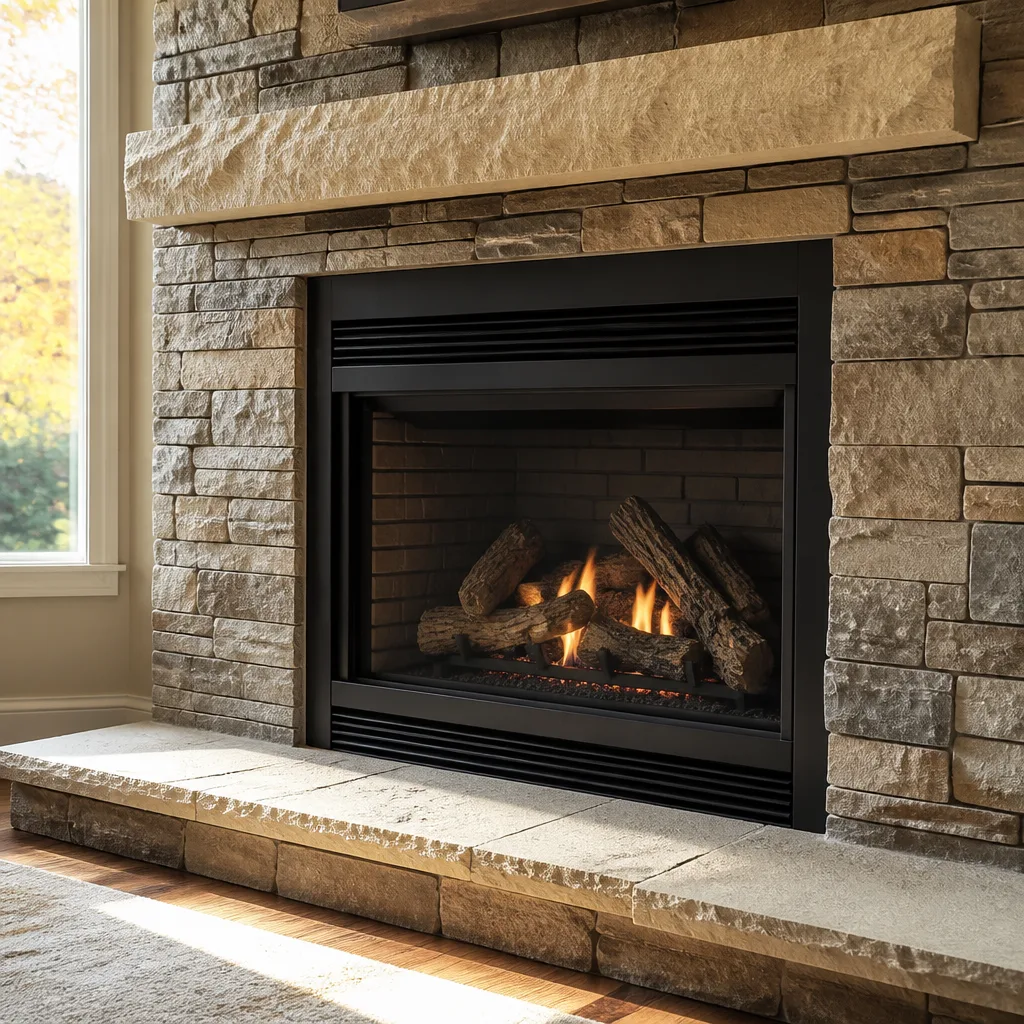
The firebox is the chamber where the fire actually burns. It’s lined with firebrick and refractory mortar designed to withstand direct flame contact. During a season of burning, the firebox collects ash, soot, and small debris. But the bigger issue is what you can’t see: hairline cracks in the refractory mortar that develop from repeated heating and cooling cycles. In Paterson’s climate, where winter temperatures swing from single digits to the fifties within a week, thermal expansion stress is a real factor. A standard sweep removes the surface buildup. A camera scan reveals whether the mortar joints are still holding.
2. The Smoke Chamber
Above the firebox sits the smoke chamber, the funnel-shaped section that directs smoke up into the flue. This is the most overlooked component in chimney cleaning because it’s hard to reach and harder to see. Smoke chambers in older Paterson homes often have corbeled brick steps where creosote accumulates in thick, sticky layers. The NFPA requires smoke chambers to be parged smooth, meaning the brick steps are coated with a refractory material. Most pre-1940 chimneys in Passaic County were never parged. That stepped brick surface is a creosote trap. If your sweep doesn’t address the smoke chamber, you’re leaving the most combustible surface in the system untouched.
3. The Flue Liner
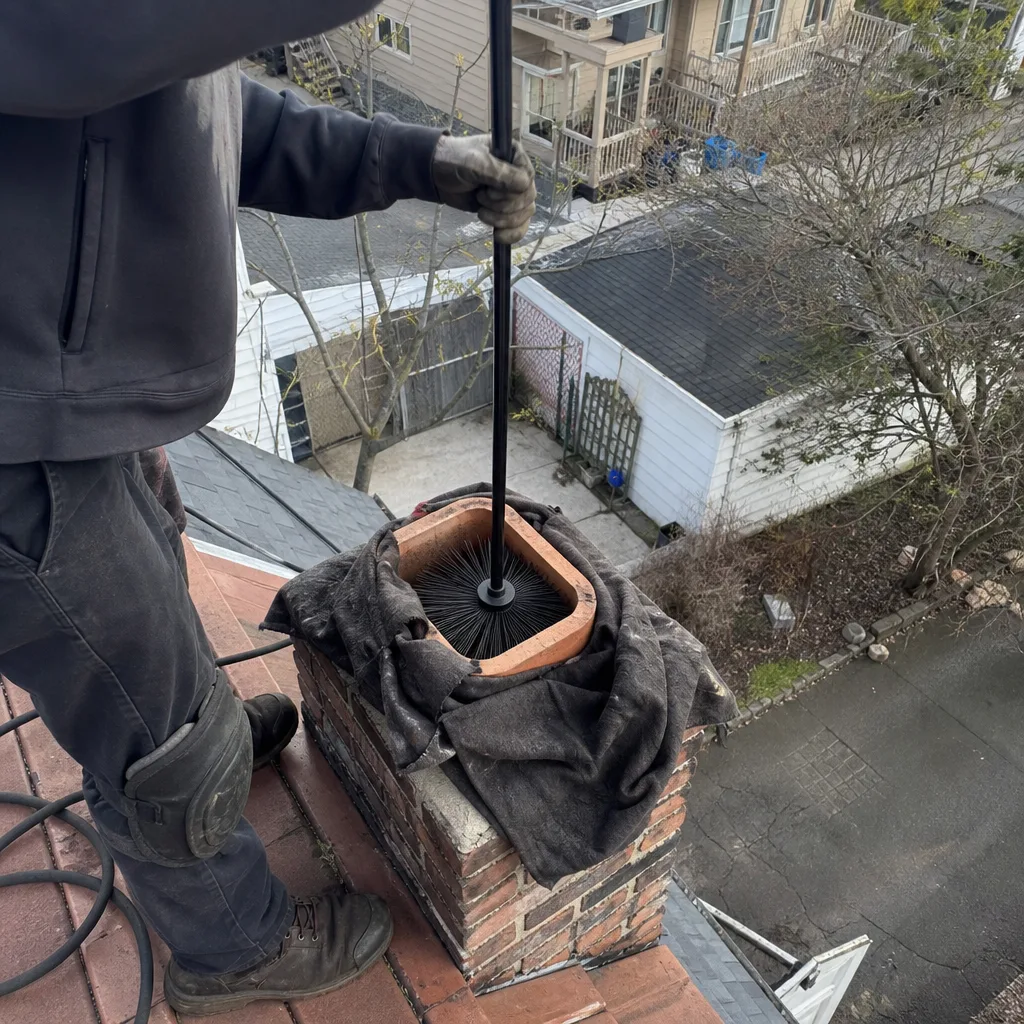
The flue liner is the vertical passage that carries smoke and gases from the firebox to the exterior. In Paterson, you’ll find three types: clay tile (common in homes built before 1940), cast-in-place or stainless steel (retrofits), and in some cases, no liner at all. Unlined masonry chimneys, which are common in the city’s older housing stock, have mortar joints directly exposed to flue gases. Creosote penetrates those joints. That’s a chimney fire waiting for a spark. A proper cleaning removes Creosote Class I, II, or III from the liner surface. A camera scan documents the liner’s structural condition, including cracks, separations, or spalling clay tile that a brush can’t fix and shouldn’t ignore.
4. The Crown
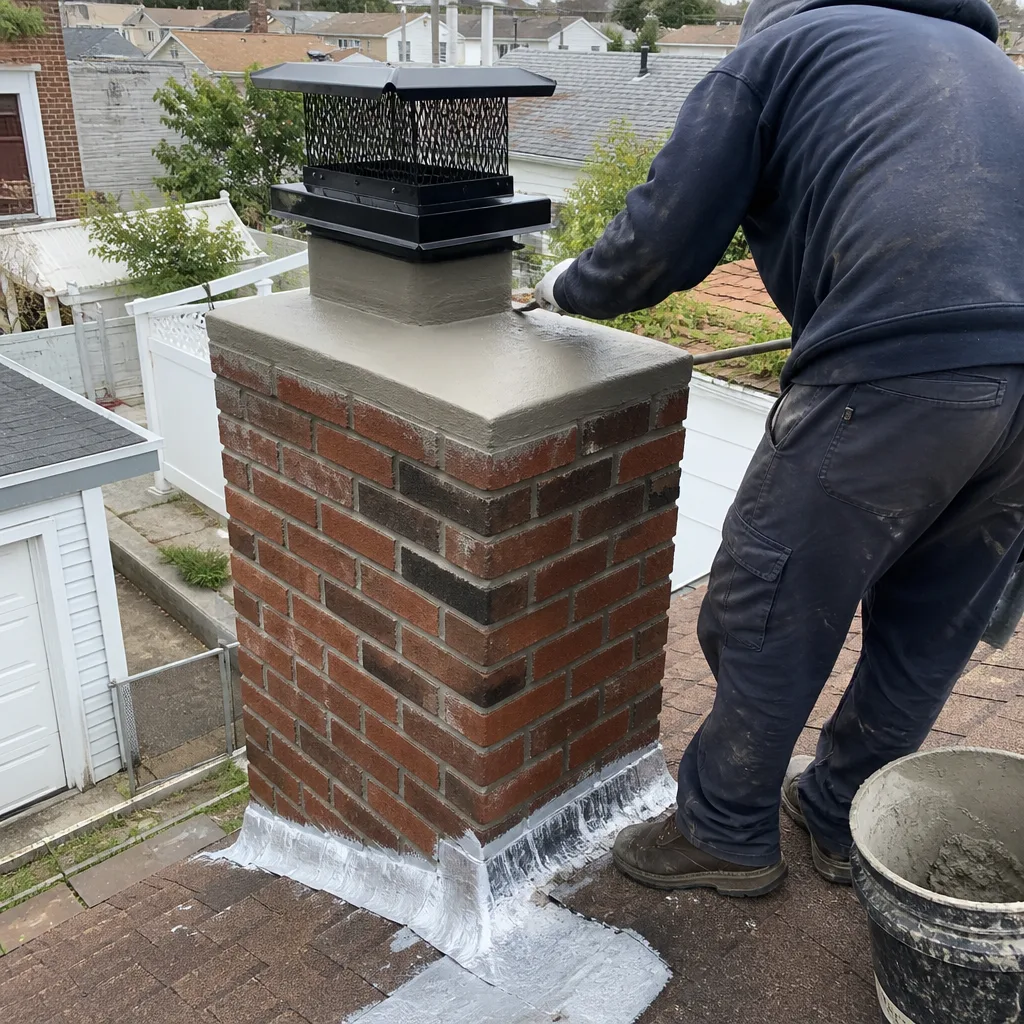
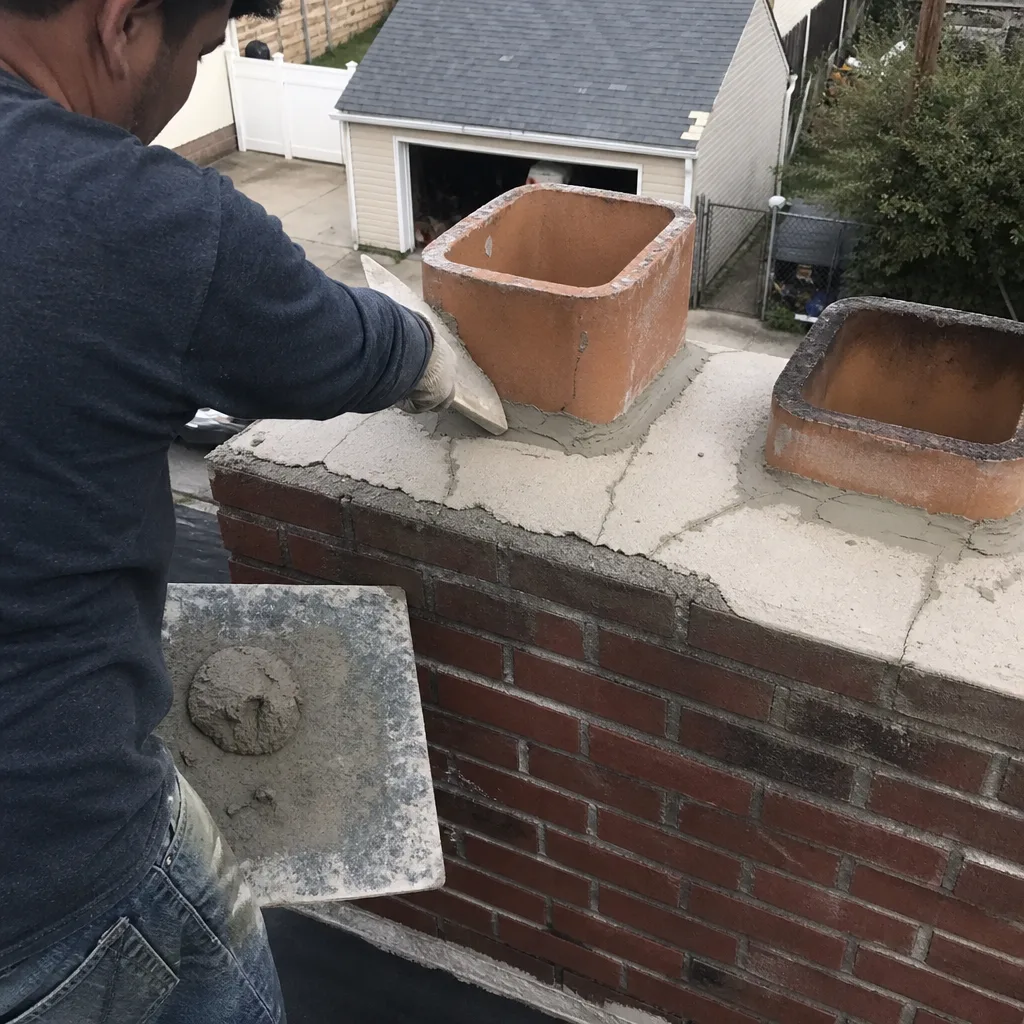
The crown is the concrete slab at the top of the chimney that seals the masonry from weather. In Paterson, where freeze-thaw cycles happen dozens of times each winter, crowns crack. Water gets in, freezes, expands, and widens the crack. What starts as a hairline fissure becomes a spalling masonry problem within a few seasons. Cleaning doesn’t repair a crown, but a documented inspection catches crown deterioration before it becomes a structural repair. This is a Chimney Repair in Paterson issue, not a cleaning issue, but the sweeper should flag it every time.
5. The Cap
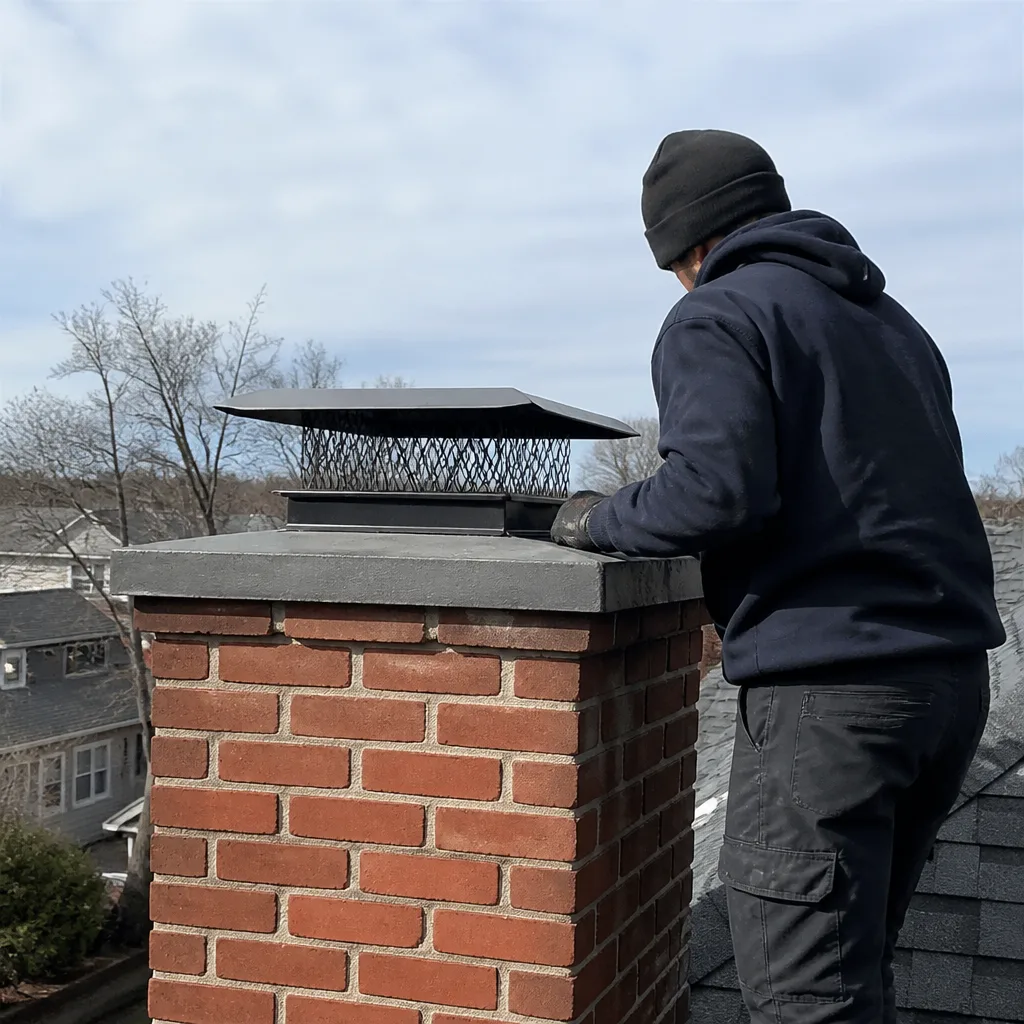
The cap sits on top of the flue and keeps rain, animals, and debris out. Missing caps are one of the most common findings in Paterson inspections. Without a cap, you’ll find nests from starlings and squirrels, leaves, and rainwater pooling in the smoke chamber. A cap also serves as a spark arrestor, which matters in dense neighborhoods where rooftops are close together. A sweep removes whatever got in. A camera scan confirms whether the cap is intact or needs replacement.
Why Paterson’s Housing Stock Creates Distinct Creosote Risks
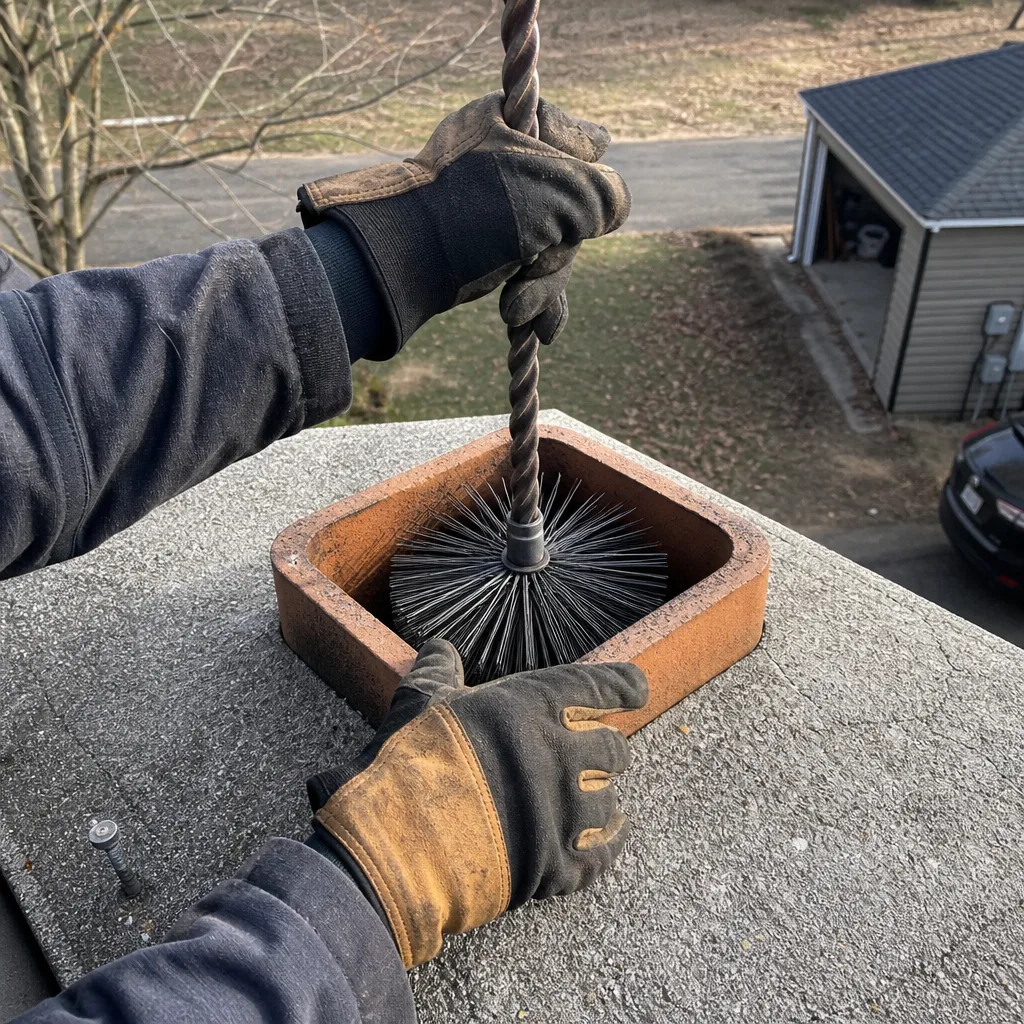
Paterson’s housing stock skews old. Much of the city’s residential inventory was built before 1940, and a meaningful portion of that is unlined masonry. That’s not a historical footnote. It’s a creosote risk factor that changes how often you should sweep and what you should document.
Creosote forms when wood smoke condenses on a cooler surface. Older unlined chimneys have rough, porous surfaces that cool flue gases faster and give creosote more surface area to cling to. Newer stainless steel liners have smooth walls and better draft, which means less condensation and less buildup. The difference is measurable. An unlined masonry chimney in Paterson can accumulate Class II or Class III creosote, the tar-like and glazed varieties, in a single season. A modern lined flue might take two or three seasons to reach the same level.
Paterson’s climate makes this worse. Winters here are damp. Burning wet wood, or even seasoned wood that’s been sitting in a damp woodpile, produces more smoke and more creosote. The Passaic River valley also traps cold air, which means longer, cooler burn seasons than, say, Bergen County’s higher elevations. More fires, more smoke, more buildup.
If you own a home in the Eastside, Hillcrest, or South Paterson neighborhoods, your chimney was likely built before 1940. That’s not a reason to panic. It’s a reason to treat chimney cleaning as a documented, verified process rather than a seasonal formality.
Visual Sweep vs. Level 2 Camera Scan: What Actually Gets Documented
Most chimney companies offer two levels of service. The first is a visual sweep: a technician looks up the flue with a flashlight, runs a brush through, and tells you everything looks fine. The second is a Level 2 camera scan, which is the standard defined by NFPA 211 for any chimney that’s changed hands, changed fuel type, or experienced a chimney fire.
The difference is not cosmetic.
A visual sweep can confirm that the flue is clear of obstruction. It cannot confirm the condition of the liner, the smoke chamber, or the interior masonry. A camera scan photographs every inch of the flue from the firebox to the cap. The technician sees exactly what’s there: hairline cracks in clay tile, gaps in mortar joints, creosote glaze that a brush can’t remove, and animal nests blocking airflow.
Here’s the practical difference for a Paterson homeowner. If you buy a home and the seller says the chimney was “cleaned and inspected,” that verbal assurance means nothing if you can’t produce a documented record. Insurance companies and mortgage underwriters increasingly ask for written proof of chimney condition after a real estate transaction. A flashlight look doesn’t satisfy that requirement. A Chimney Cleaning & Sweep in Paterson that includes a camera scan and photo documentation does.
We made camera-scan documentation the default in 2009, years before regulators or insurers asked for it. That practice became Clause 4 of the Haven Standard, which requires a photo record on every job. It’s not an add-on. It’s the inspection.
What Cleaning Addresses vs. What It Cannot Fix
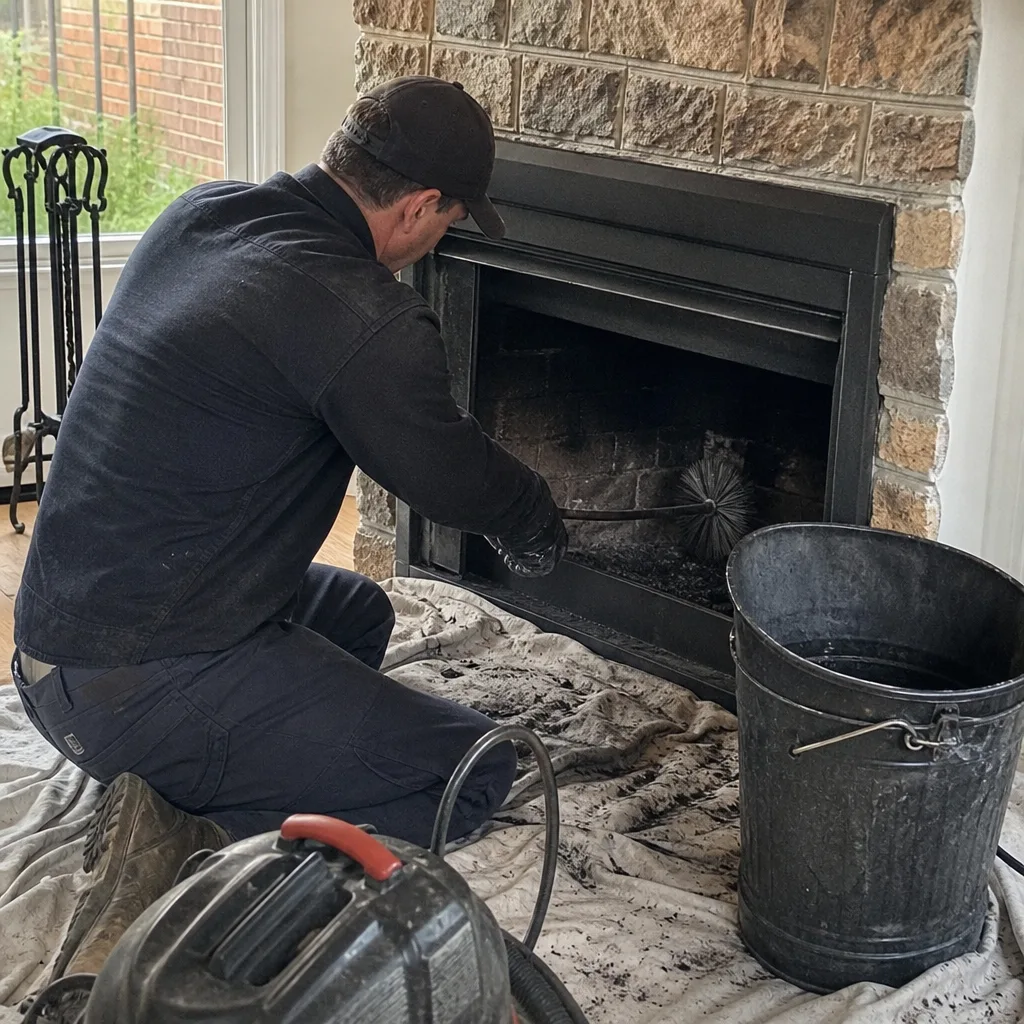
Chimney cleaning removes combustible deposits. That’s what it does. Creosote, soot, and debris get swept from the firebox, smoke chamber, and flue liner. What cleaning cannot do is repair structural damage.
Here’s the honest breakdown:
- Creosote buildup: Addressed by cleaning. A brush removes Class I and Class II creosote. Class III glazed creosote often requires chemical treatment or mechanical removal, which is a more involved process.
- Liner cracks and separations: Not addressed by cleaning. A cracked clay tile liner needs repair or replacement. Cleaning around the problem makes the chimney look better while leaving the hazard in place.
- Spalling brickwork: Not addressed by cleaning. Spalling, where brick faces flake off due to water intrusion, is a masonry repair issue.
- Crown deterioration: Not addressed by cleaning. A cracked crown lets water into the masonry, and no sweep fixes that.
- Missing or damaged cap: Not addressed by cleaning. The cap is a component that gets inspected, not swept.
- Smoke chamber parging: Sometimes addressed during a deeper cleaning, but if the parging is missing entirely, that’s a repair, not a sweep.
The point is not that cleaning is insufficient. The point is that cleaning without documentation creates the illusion of a safe chimney. If we clean a flue and see a liner crack on the camera, we show you the photo and write it in the record. You don’t pay for a repair you can’t verify, and you don’t get a false assurance that everything’s fine. That’s the function of Fireplace Services in Paterson when they’re done correctly: evidence before assurance.
What a Written, Itemized Service Record Looks Like
Here’s what you should walk away with after a chimney cleaning in Paterson. If you don’t get these items, you didn’t get a documented service.
- Written scope of work, before anything starts. The technician should show you what’s being cleaned, what’s being inspected, and what it costs. If the price is verbal, the documentation doesn’t exist. Clause 1 of the Haven Standard requires a written price, written scope, and written warranty before anyone starts.
- Camera photos of the flue interior. These are time-stamped images showing the condition before and after cleaning. You should be able to see the liner, not just take someone’s word for it.
- Creosote classification, in writing. Class I, II, or III. If it’s Class III, the record should say what treatment was applied and what follow-up is needed.
- Component-by-component findings. Firebox, smoke chamber, liner, crown, cap. Each one gets a line item with a condition note and a recommendation if repair is needed.
- Written warranty. Not a verbal promise. A document that says what’s covered and for how long. We back every job with a 365-Day Done Right Promise: if it’s not done right, we make it right. That’s stamped on every job under the Haven Standard.
Verbal “all clear” assessments are unenforceable. If a technician says your chimney is fine but can’t show you a photo, that’s not an inspection. That’s an opinion. And when something goes wrong, the opinion disappears.
Seasonal Sequencing in Paterson: When to Schedule and What to Expect
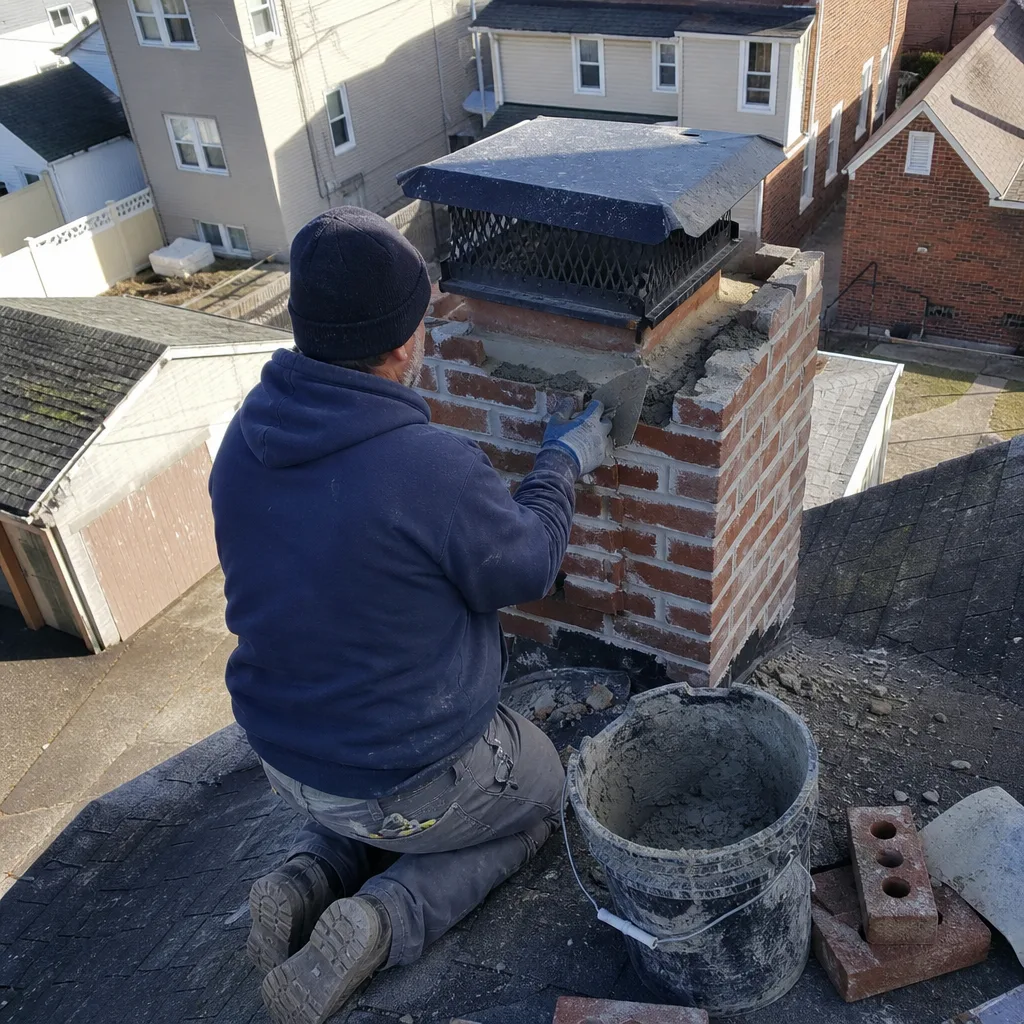
Paterson’s climate dictates the chimney cleaning calendar. Here’s the seasonal logic.
Late Summer to Early Fall (August-October)
This is the window to schedule your annual cleaning. The chimney hasn’t been used in months, the creosote from last season is dry and brushable, and you’re ahead of the fall rush. In Paterson, September is ideal. The weather is still mild, the technician can access the roof without ice concerns, and you’re ready for the first fire when the temperature drops in November.
Late Fall (November-December)
This is the busiest season. Technicians are booked two to three weeks out. If you schedule now, expect a wait. The work itself is the same, but you’re competing with every other Paterson homeowner who just remembered they have a fireplace. If you’re in this window, don’t skip the camera scan because you’re eager to get it done. A rush job is still a job, but it needs documentation.
Winter (January-February)
Chimney cleaning can be done in winter, but it’s slower. Roof access on snowy or icy days is dangerous, and a technician may need to reschedule for safety reasons. Creosote is also harder to remove when it’s cold and glazed. If you’re burning regularly and noticing smoke backing up, that’s not a cleaning scheduling issue. That’s a stop-burning-and-call-now issue.
Spring (March-May)
This is the off-season for sweeps, and it’s actually a smart time to schedule if you had creosote issues during the winter. Creosote sits in the flue over the summer and can absorb moisture, which makes it more hazardous next season. A spring cleaning also gives you an early read on any water damage from winter freeze-thaw cycles. Paterson’s spring freeze-thaw pattern is rough on crowns and masonry.
What to expect at every visit: the technician arrives, walks the property, explains what’s being done, shows you the written scope, and gets your sign-off before starting. The cleaning itself takes 45-90 minutes depending on the level of buildup. The camera scan adds 15-20 minutes. You should receive your photo record and written warranty before the technician leaves. If the weather prevents safe roof access, the technician should tell you that up front and reschedule rather than doing a partial job.
Common Mistakes to Avoid
- Treating a visual sweep as a full inspection. A flashlight look up the flue cannot see liner cracks, smoke chamber buildup, or crown damage. If there’s no camera, there’s no documentation.
- Skipping the smoke chamber. Many sweeps go straight from firebox to flue and ignore the smoke chamber entirely. In Paterson’s older homes with corbeled brick, that’s leaving the most flammable surface untouched.
- Burning unseasoned wood. Wet wood produces more smoke, more creosote, and faster buildup. Seasoned wood should have a moisture content below 20%. In Paterson’s damp climate, that means storing wood properly, not leaving it out in the rain.
- Relying on creosote logs as a substitute for cleaning. Creosote removal logs can loosen some buildup but they don’t remove it. The loosened creosote still has to be swept out. They’re not a cleaning.
- Ignoring water stains on the ceiling near the chimney. That’s not a cleaning issue. That’s a crown or flashing issue that needs a Chimney Repair in Paterson before it becomes a structural problem.
- Assuming a new home purchase means a clean chimney. Home inspections rarely include a camera scan of the flue. The previous owner’s “cleaned and inspected” claim is meaningless without photos.
- Waiting until the first cold snap to schedule. The fall backlog in Paterson is real. When you schedule in October, you’re three weeks behind everyone else who waited.
When to Call a Professional
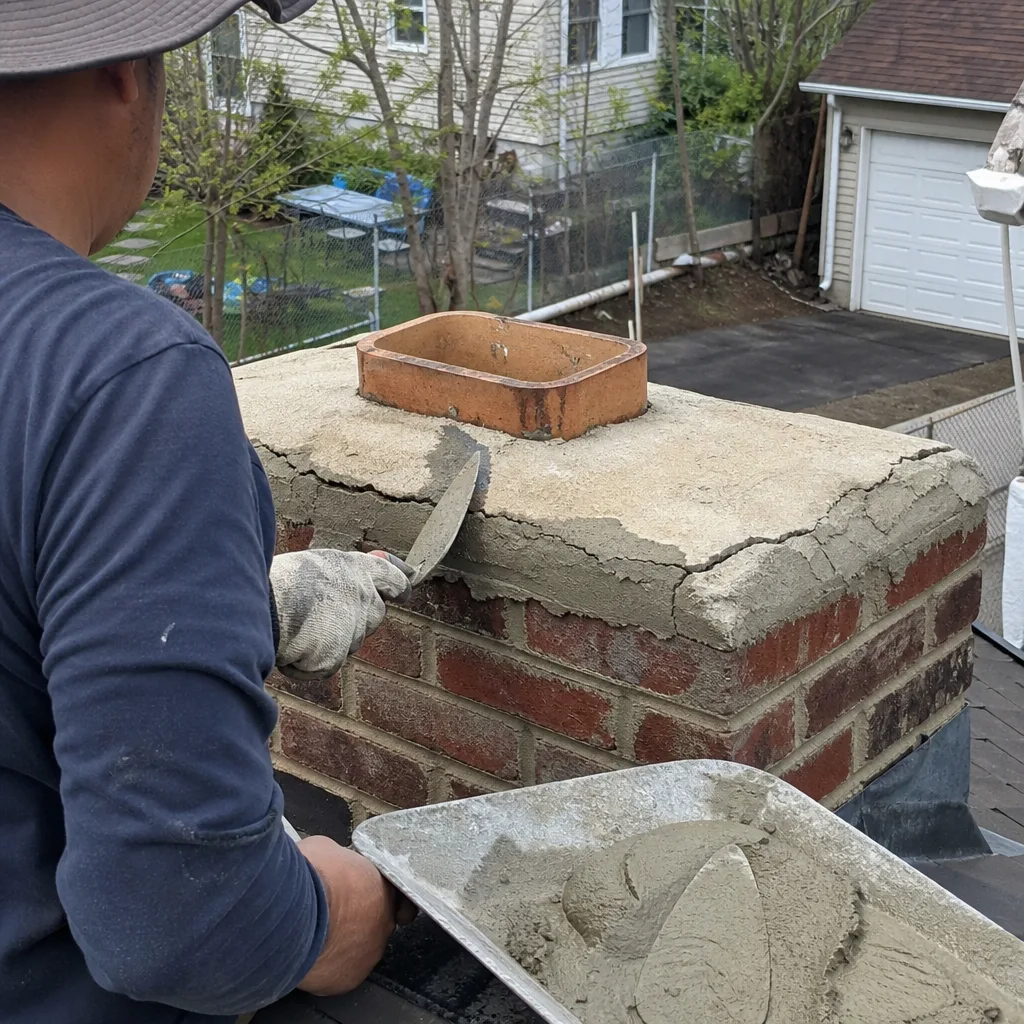
Some situations don’t wait for the next scheduled cleaning. If you smell smoke in the house when the damper is closed, that’s a draft or liner problem. If you see smoke backing up into the room when the fire is lit, stop burning and call. If you hear animals in the chimney, that’s a cap issue. If you see water staining on the walls or ceiling near the chimney, that’s a crown or flashing issue. If you see glazed, shiny creosote on the flue walls during your own inspection, that’s Class III creosote and it’s a fire hazard. None of these are DIY situations. A chimney fire can reach 2,000°F and crack a liner before you know it’s happening. Level Two Chimney Paterson offers free estimates in Paterson, call (862) 356-5229.
Frequently Asked Questions
A standard chimney sweep in Paterson typically costs $189-$289 for a basic cleaning with a Level 1 inspection. A sweep with a Level 2 camera scan, which includes photo documentation, typically runs $289-$389. Homes with heavy creosote buildup, Class III glazing, or animal nest removal may see additional charges. We quote a written price before any work starts, so the number on the page is the number you pay. Call (862) 356-5229 for an exact quote, estimates are free.
The NFPA recommends an annual inspection and cleaning if you burn regularly, meaning more than about a cord of wood per season. In Paterson’s older homes with unlined or clay tile chimneys, annual cleaning is the safer standard because creosote accumulates faster on porous masonry surfaces. If you burn occasionally, meaning fewer than 20 fires per season, a cleaning every two years may be sufficient, but you should still have an annual camera inspection to document liner condition.
Creosote accumulates in the flue liner and smoke chamber. Class I creosote is flaky and brushable. Class II is tar-like and harder to remove. Class III is glazed, shiny, and highly combustible. A chimney fire burns at up to 2,000°F, hot enough to crack clay tile liners, warp metal liners, and spread to the surrounding structure. In Paterson’s pre-war housing stock, where chimneys are often unlined or have deteriorating mortar joints, the risk is higher than in newer construction. Call (862) 356-5229 to schedule a documented cleaning.
Only if the camera scan shows damage. We don’t recommend liner replacement unless we can show you a photo of the crack, separation, or spalling tile. Some companies push liner replacement as a revenue line. We push evidence. If the liner is intact, we tell you it’s intact and you don’t pay for anything beyond the cleaning. If the liner is compromised, we show you the photo and you make the decision with the evidence in front of you.
In most cases, we can get you on the schedule within a few days, depending on the season. Fall is the busiest period, and wait times in Paterson can stretch to two or three weeks. Spring and summer scheduling is typically faster. We never promise same-day service because a documented cleaning with a camera scan takes time, and we don’t cut corners on documentation.
You should receive a written scope of work before the job starts, a written warranty when it’s done, a photo record of the flue interior from the camera scan, and an itemized report covering firebox, smoke chamber, liner, crown, and cap. If you don’t get photos, you didn’t get a documented service. That photo record is what you show to insurance companies, mortgage underwriters, and the next buyer when you sell. For more guides & resources on protecting your Paterson home, visit our blog.
The Bottom Line
Chimney cleaning in Paterson is not about a brush and a flashlight. It’s about five components that each fail differently, a housing stock that makes creosote risk worse, and a documentation standard that proves the work was done. A camera scan with a photo record is the difference between evidence and opinion. A written price before work starts is the difference between a quote and a guess. The Level Two Chimney Paterson home page has the full scope of what we do, from cleaning to liner installation, and every job comes with the same standard: written scope before work, photo record when it’s done, and a 365-day promise to make it right if it’s not.
Written by Corrine Halstead, Owner at Level Two Chimney Paterson, serving Paterson since 2009.