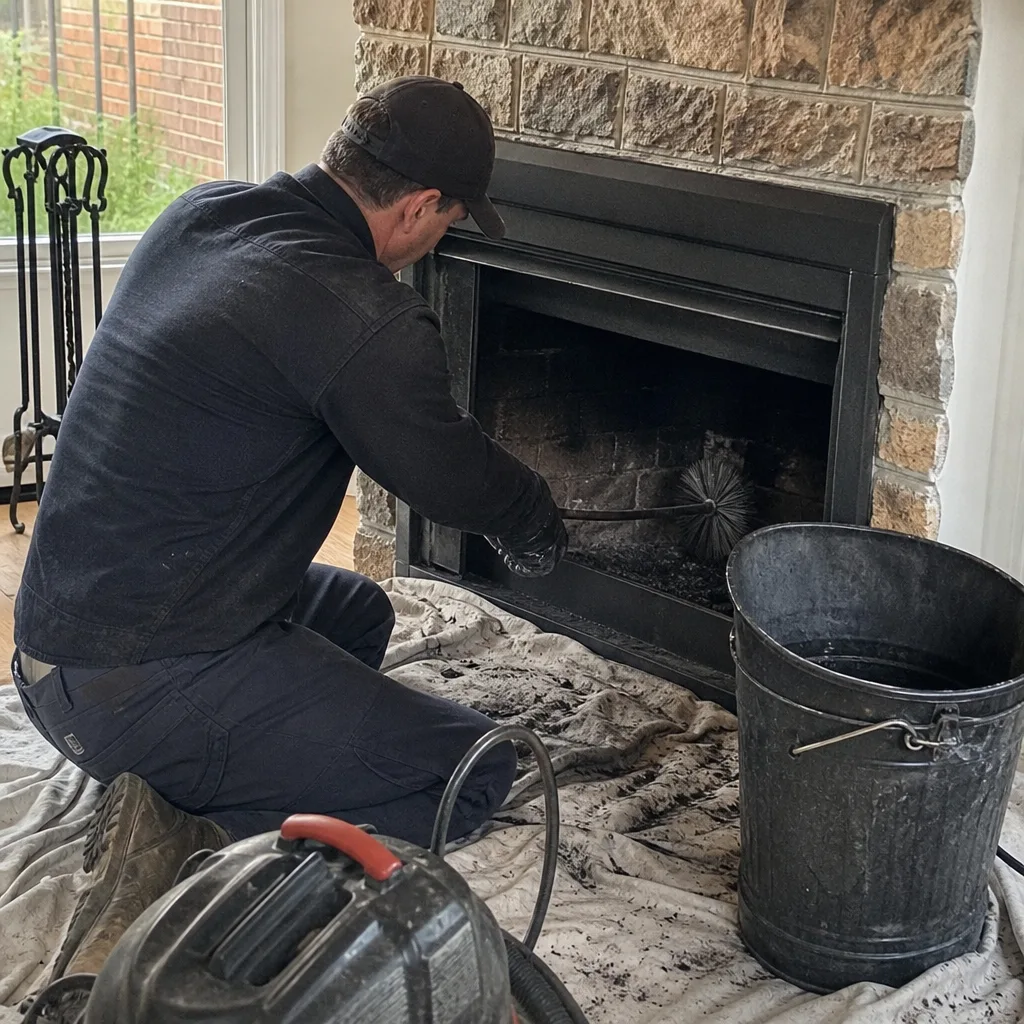
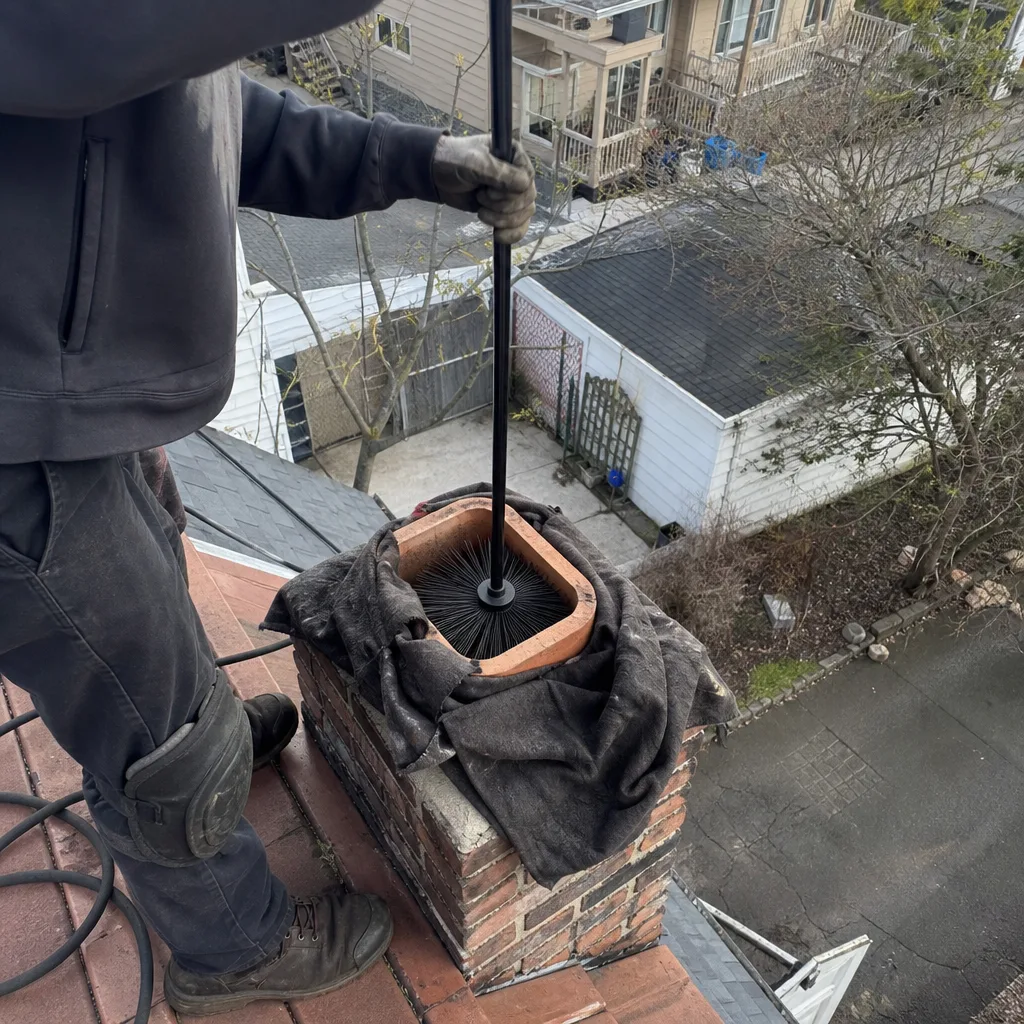
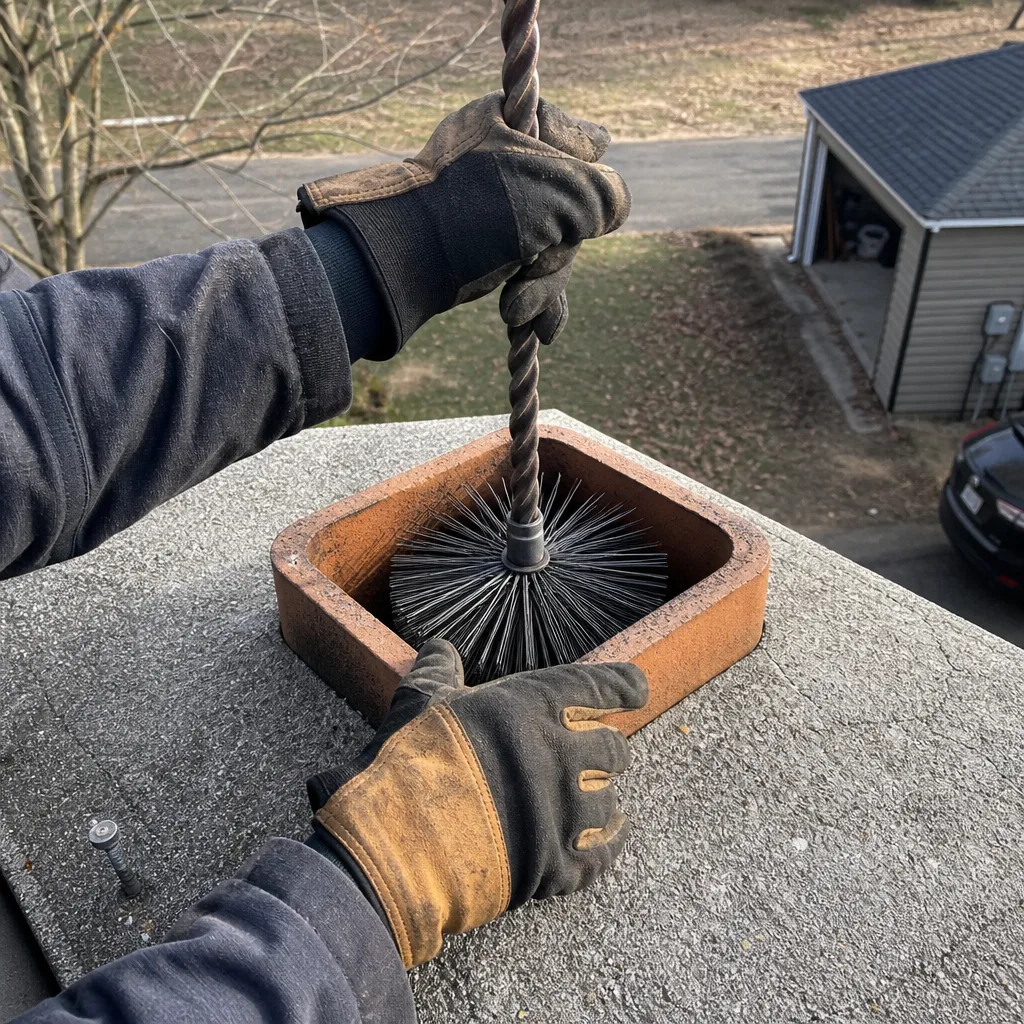
Level 1 sweep and inspection to the NFPA 211 annual standard - flue, crown, cap, and flashing checked and photographed
Chimney sweep logs do not sweep chimneys. They loosen some creosote - which then falls where a brush and vacuum still have to collect it.
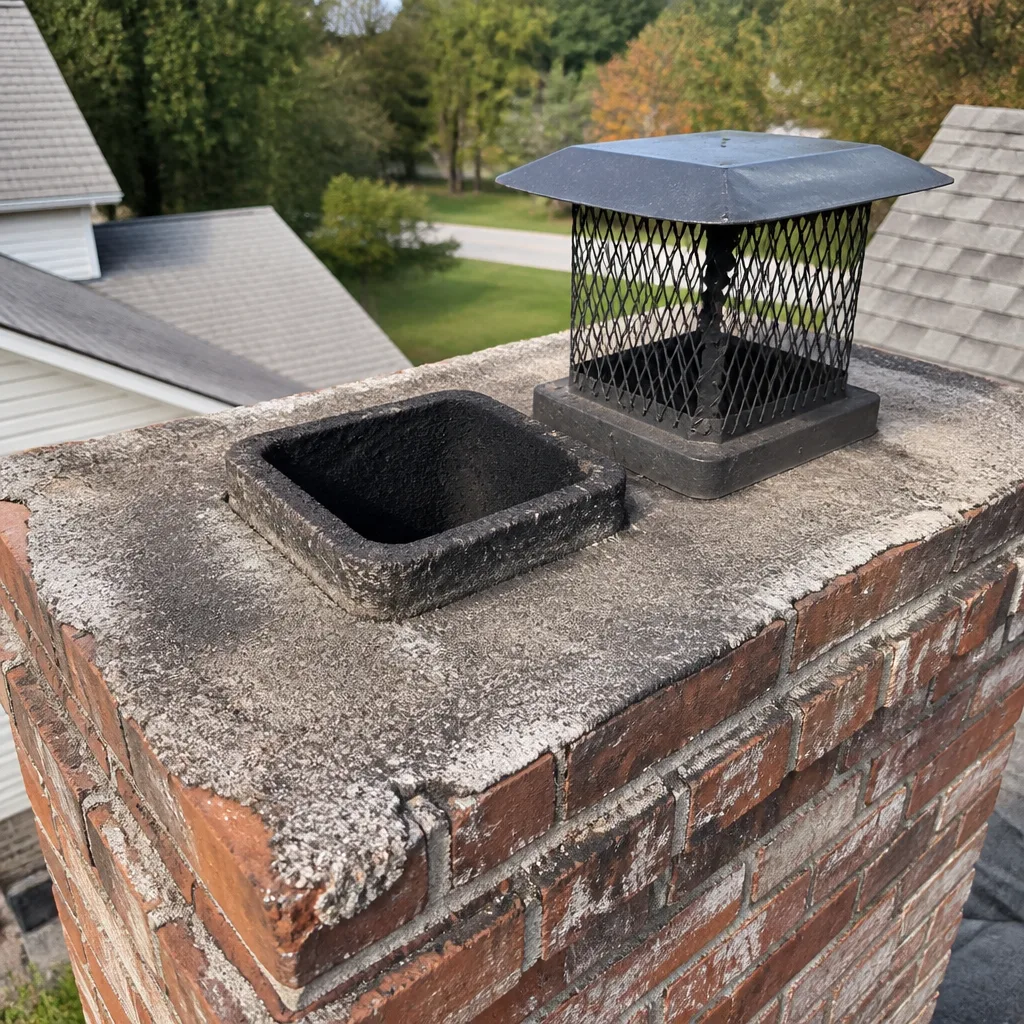
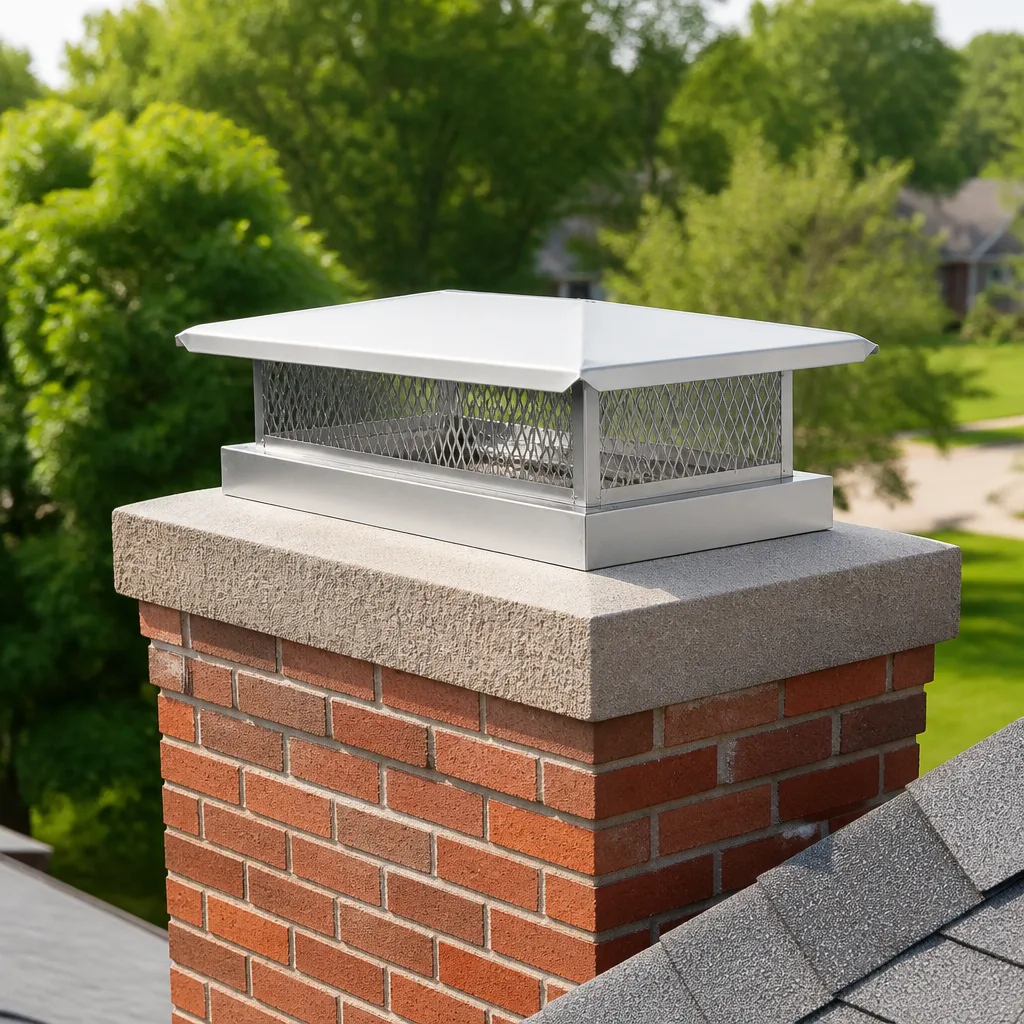
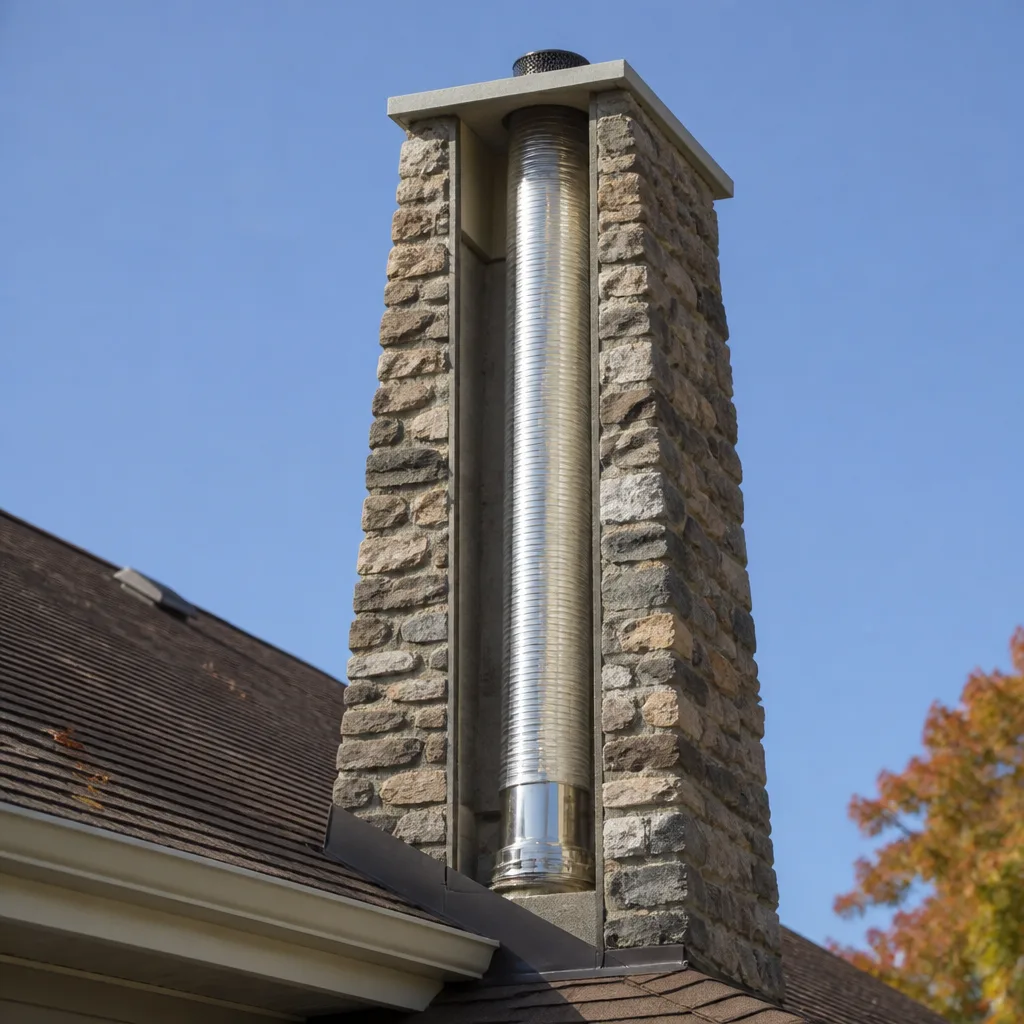
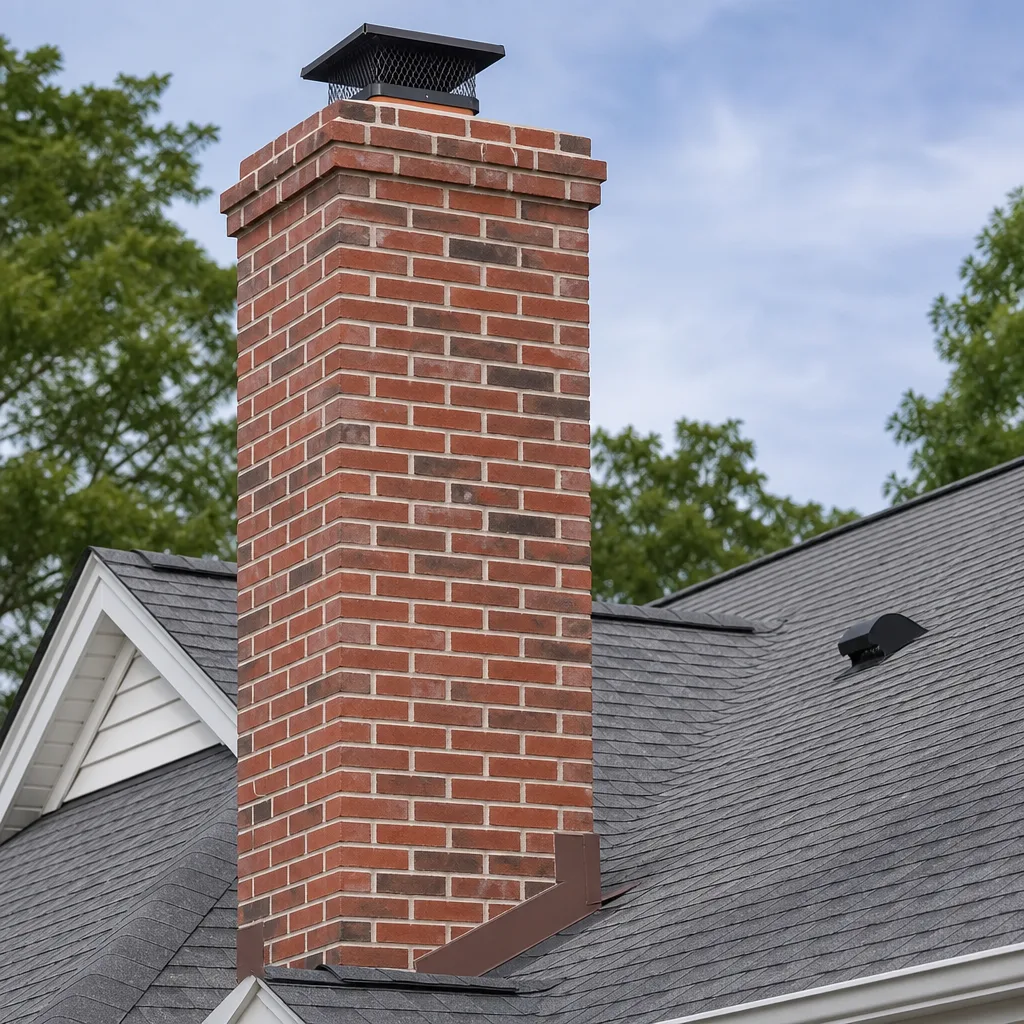
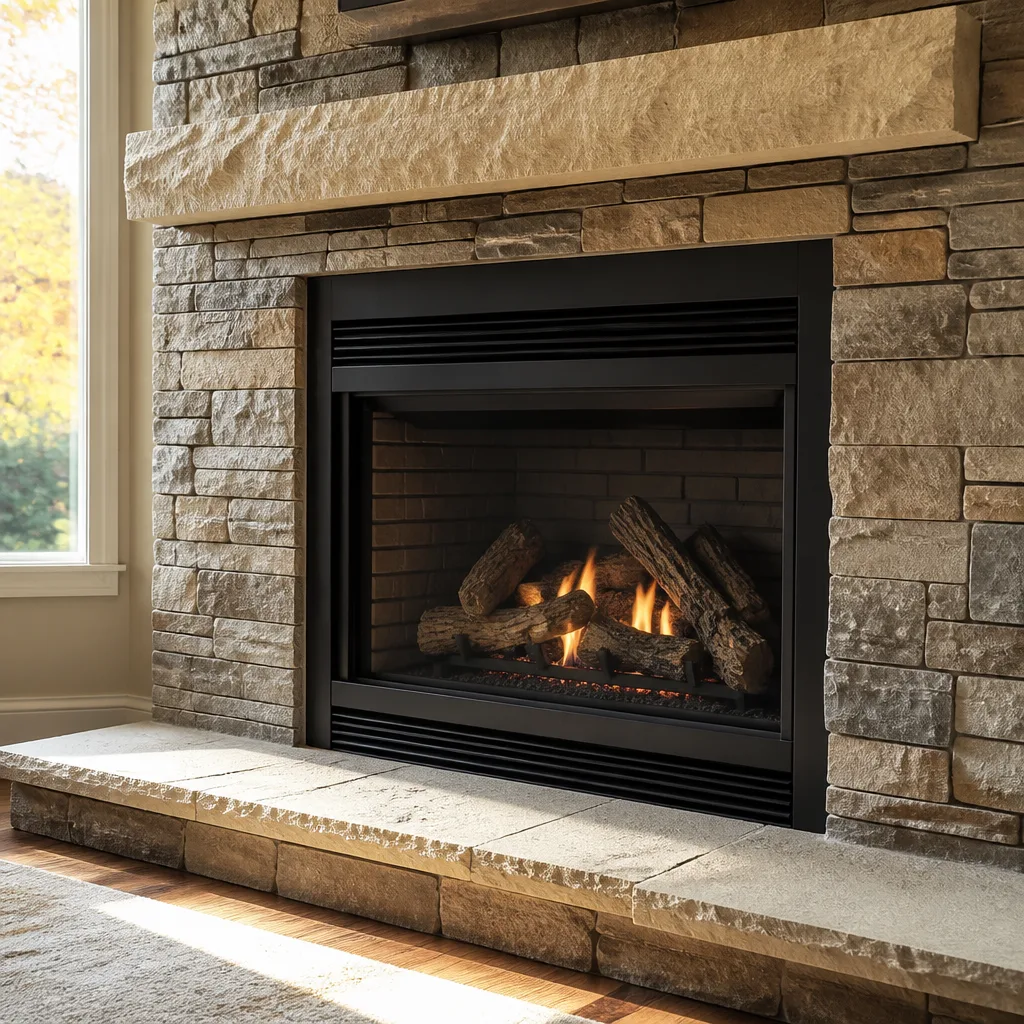
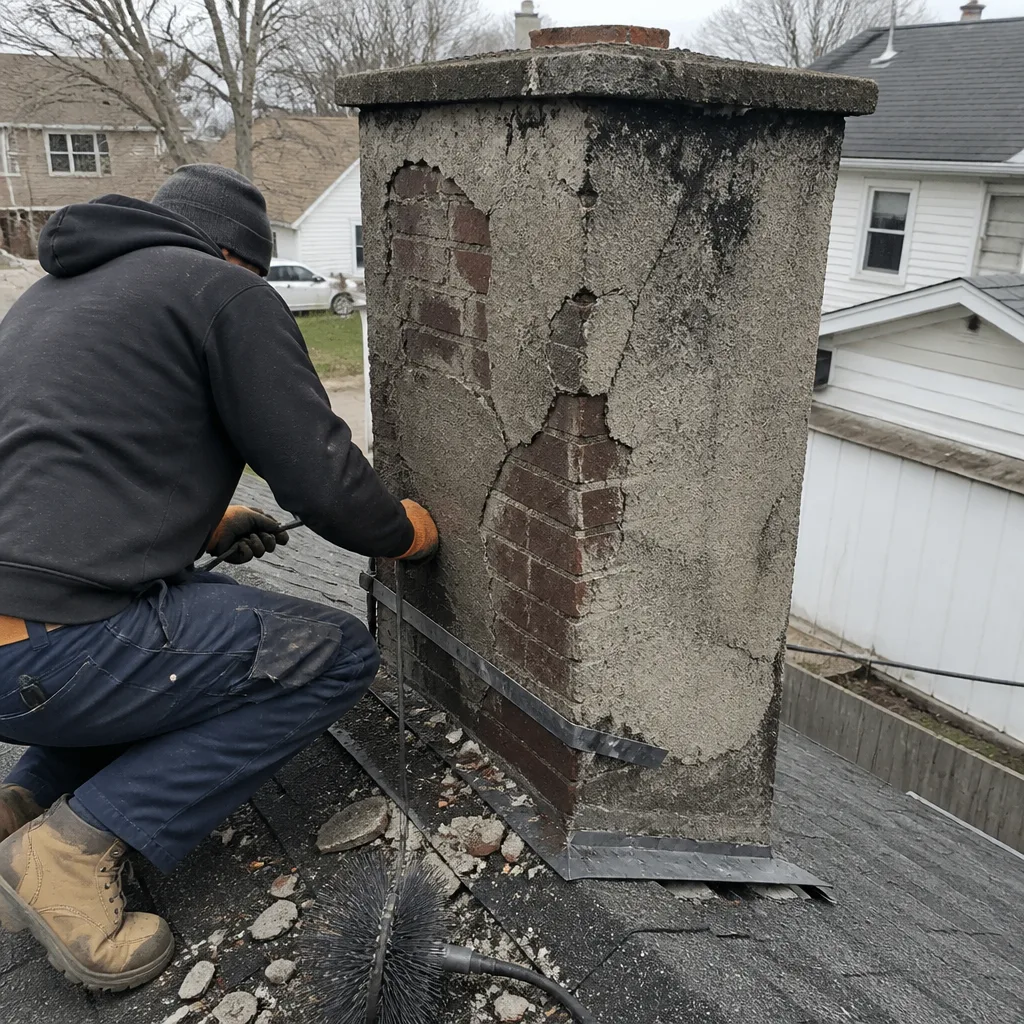 Before
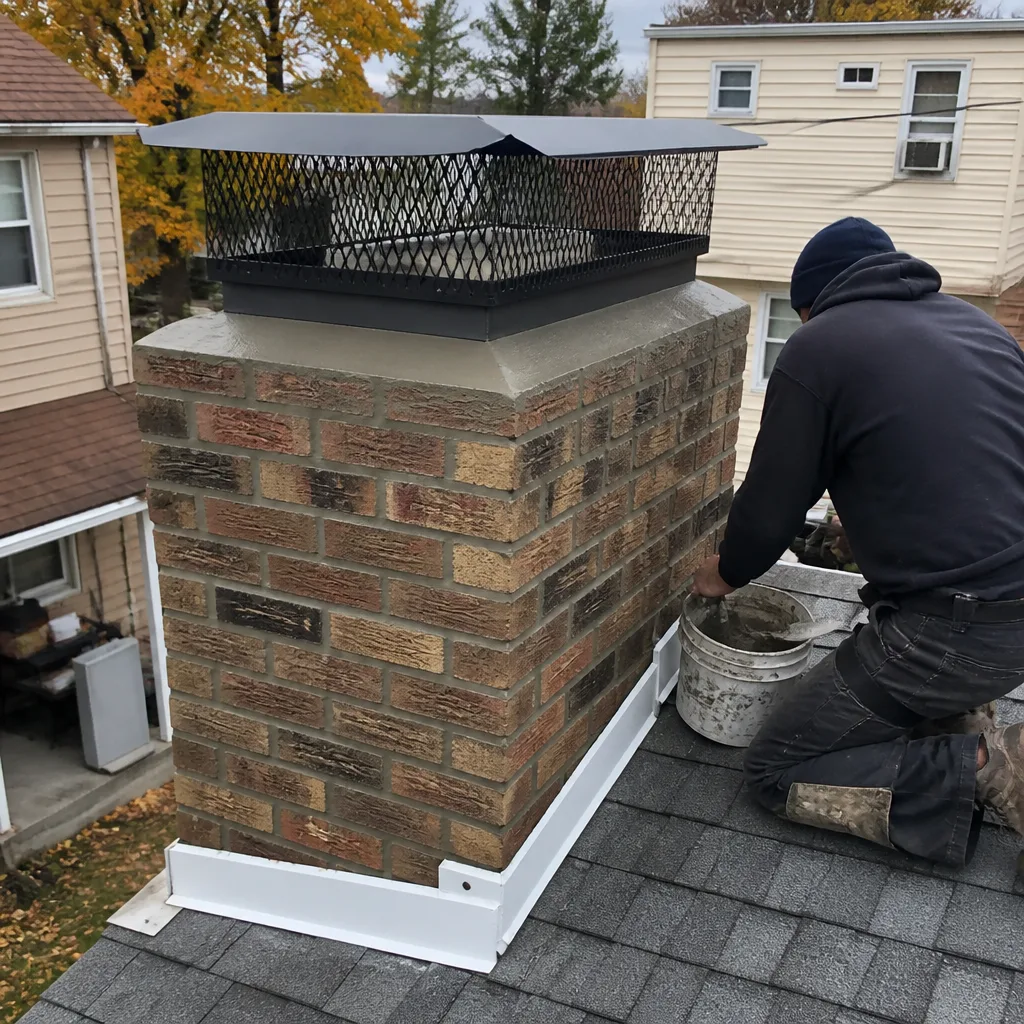 After
After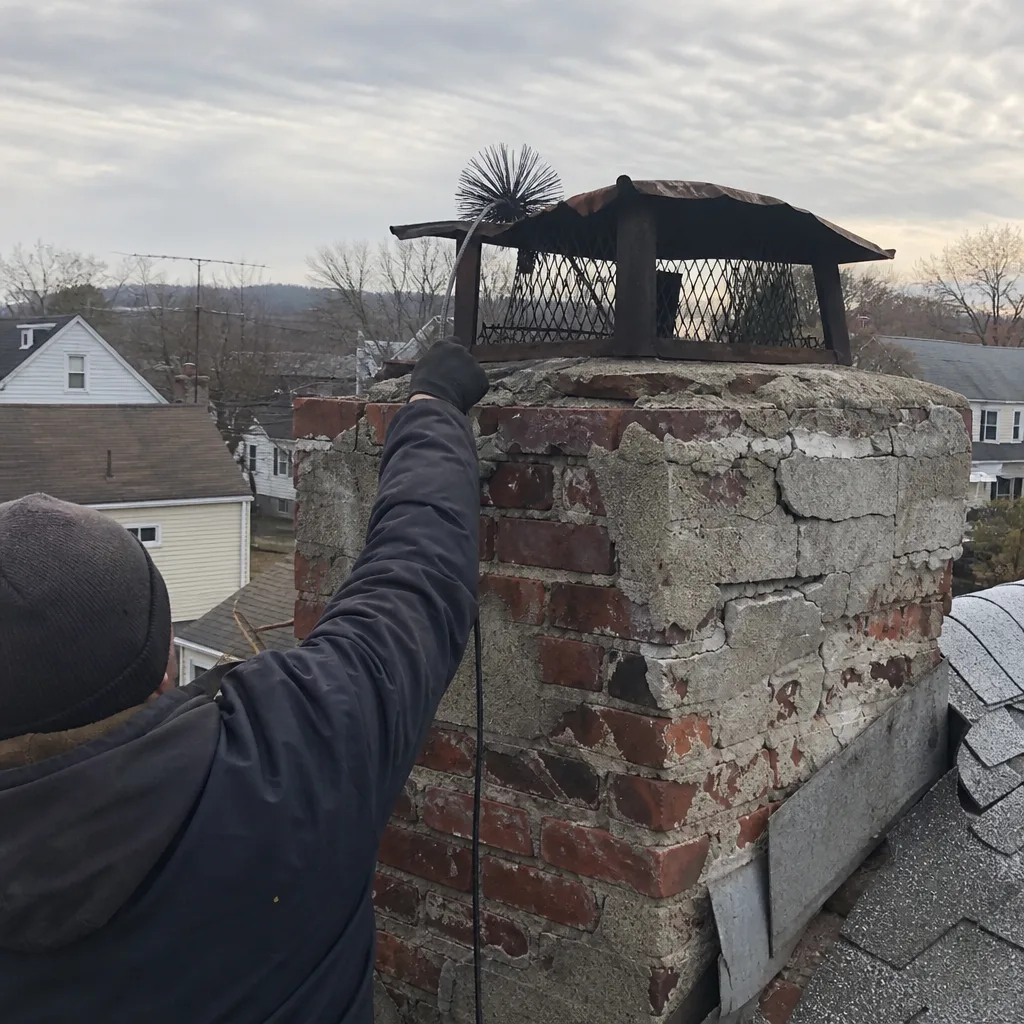 Before
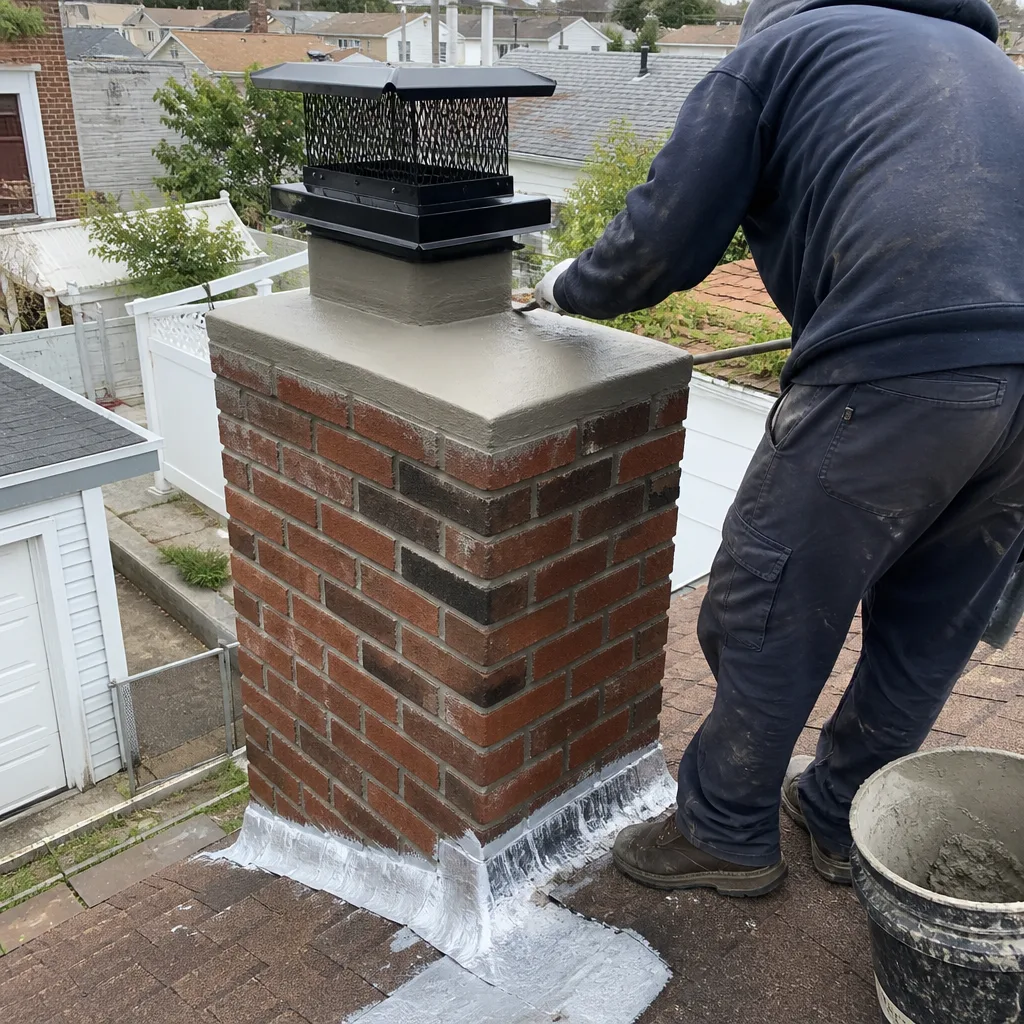 After
After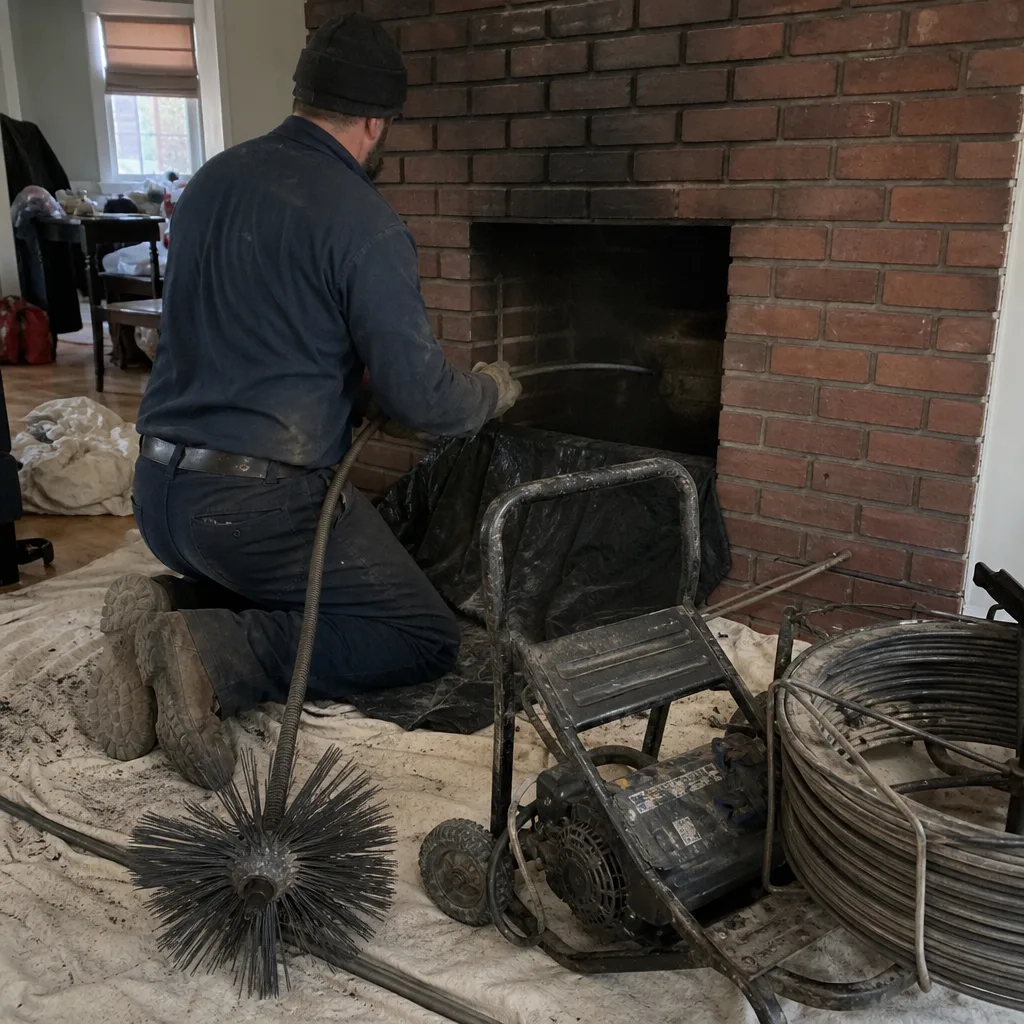 Before
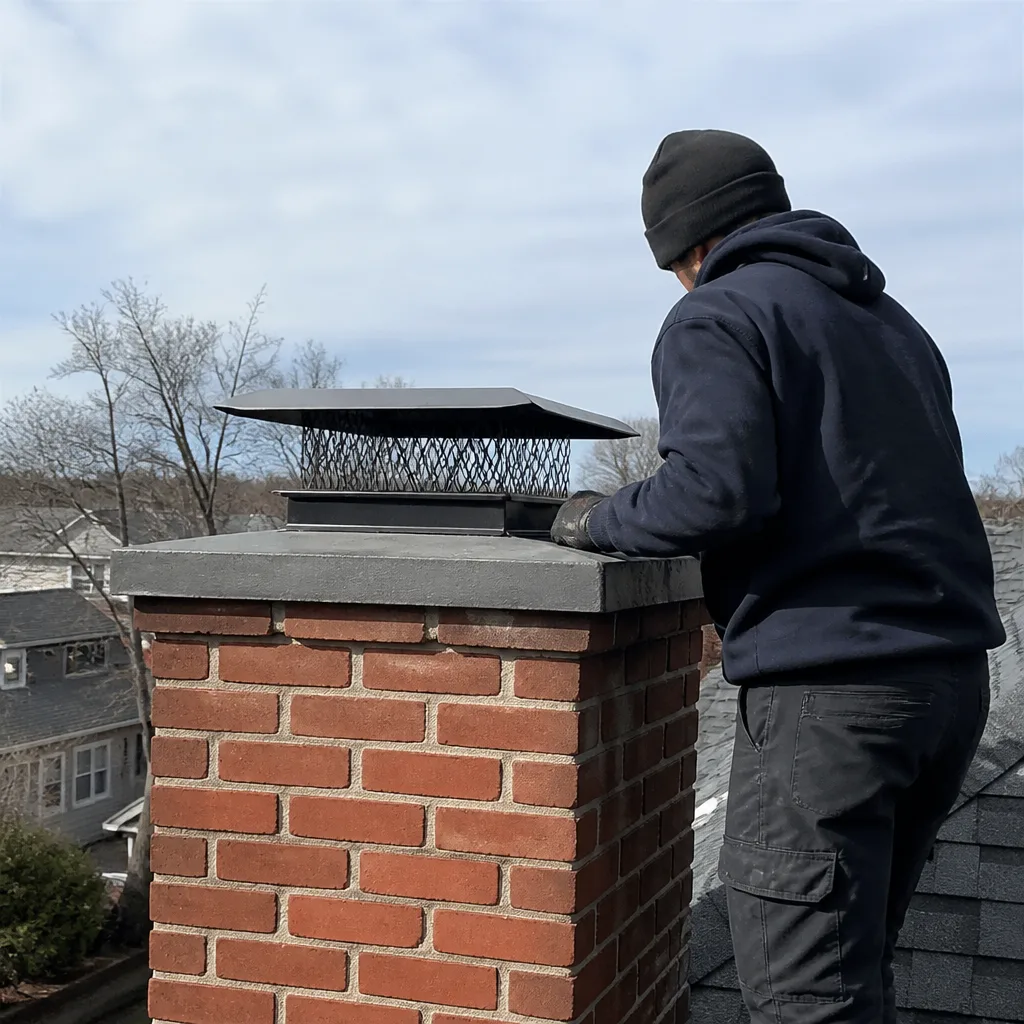 After
AfterFast, Reliable Fireplace Services Across Ridgewood
Fireplace service in Ridgewood almost always comes back to one fact: most of the borough’s fireplaces sit inside 80 to 100-year-old masonry chimneys, and those chimneys were built for coal and wood fires, not the gas appliances and inserts now venting into them. A routine cleaning here rarely ends at cleaning. It ends with a camera pushed down a clay flue that has been quietly cracking for decades. We serve Ridgewood directly with local crews, background-checked and uniformed technicians, and a written price before anyone starts work. Call (862) 356-5229 for a free estimate, and we will walk you through what we actually find, with footage you can see for yourself.
What happens when you call
- 1
A real person answersNo phone trees - you reach a local pro.
- 2
You get an upfront price rangeHonest numbers before anyone is dispatched.
- 3
A background-checked tech heads outLicensed & insured, dispatched right away.
- 4
You approve before work beginsNothing starts until you say go.
Why Level Two Chimney Paterson Is Ridgewood’s Preferred Fireplace Services Company
Ridgewood homeowners call us for the same reason they read the three-star reviews before they book anything: they want evidence, not assurances. Every visit here starts with a camera scan, not a flashlight. That practice has been our default since 2009, and it is written into Clause 4 of the Haven Standard: a documented photo record on every job, included as standard. When our technician tells you your clay liner is spalling or your damper is rusted through, you will be looking at the footage while they explain it. No one on our crews is allowed to recommend a repair without showing you why.
We also answer the phone. Live person, 24/7. Not a voicemail, not a web form. Corrine Halstead leads our team, and she has built the service around one simple rule: a written price, written scope, and written warranty delivered before work begins. That is Haven Standard Clause 1. For a homeowner in Ridgewood who just got told by another company they need a $6,000 reline with no photos to back it up, that rule matters.
Our Fireplace Services in Ridgewood

Our Fireplace Services team handles the full range of fireplace work in Ridgewood, from gas log service to full firebox rebuilds. Below are the calls we get most often from homeowners in the borough.
Gas Fireplace Service
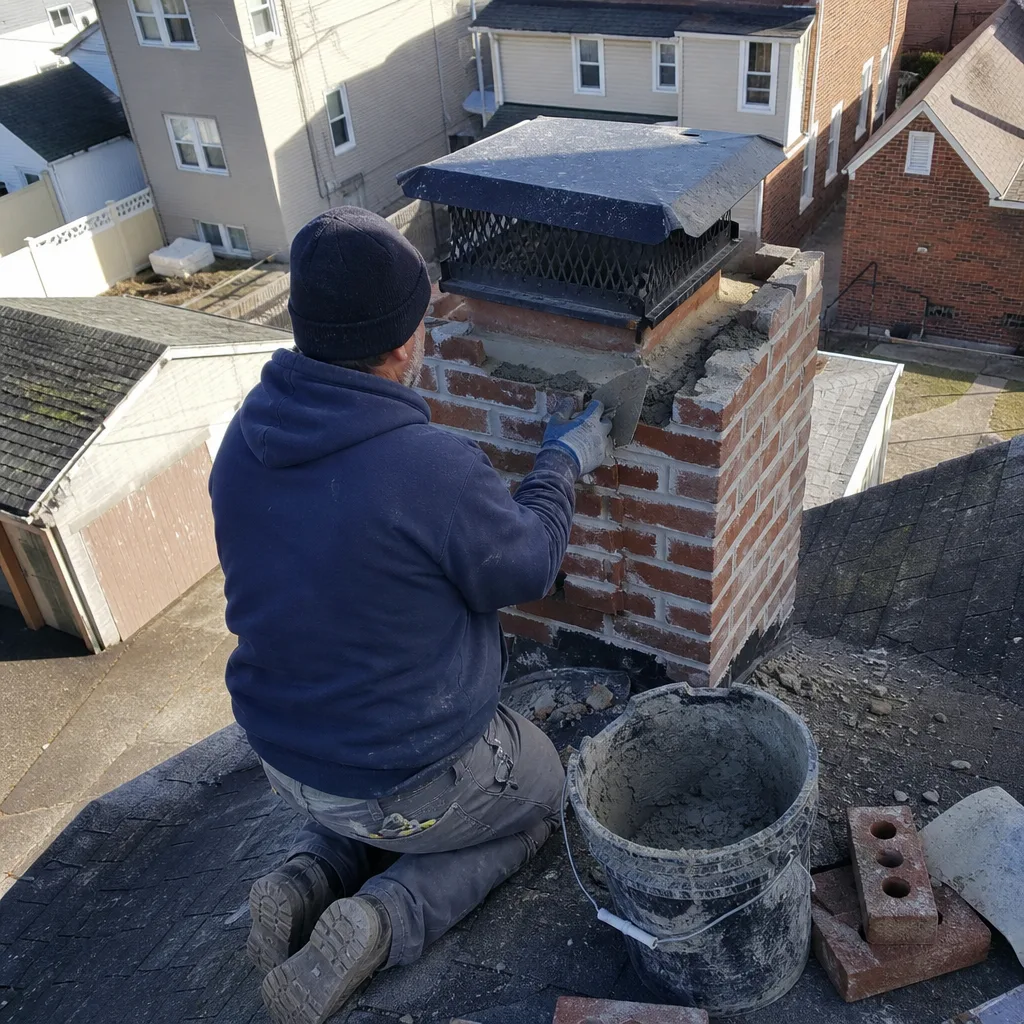
Gas fireplaces in Ridgewood are often original to 1990s and early 2000s renovations inside pre-war homes, meaning the venting runs through a masonry chimney that was never relined for gas. We service the gas logs, pilot assembly, burner, and glass, and we inspect the flue the unit vents into. Corrosion from acidic gas exhaust eats at old clay liners faster than most homeowners realize. We will show you the condition of the vent path before we clean it.
Wood Burning Fireplace
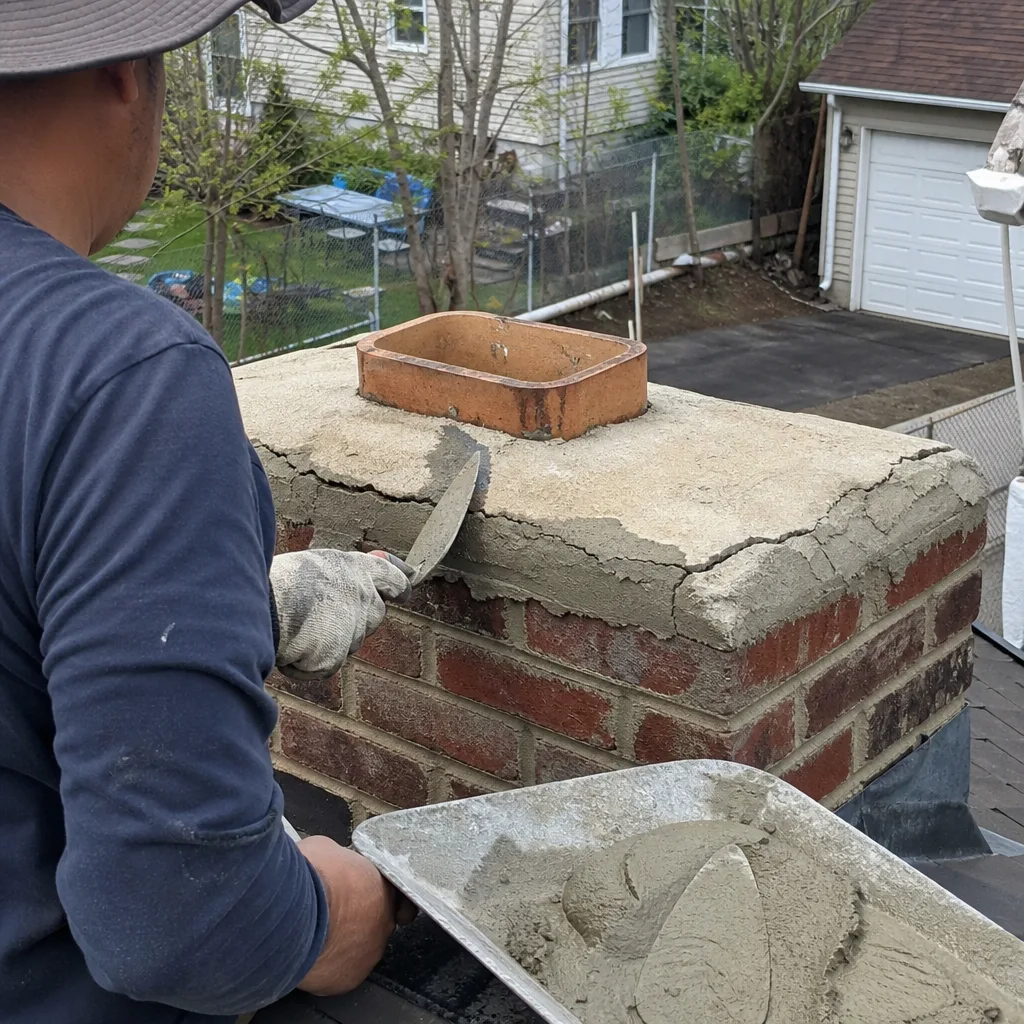
Wood burning fireplaces in Ridgewood sit inside 80 to 100-year-old chimneys with clay terra-cotta liners. Decades of Bergen County freeze-thaw cycles have worked on those liners the way ice works on pavement: hairline cracks become spalled sections, and spalled sections let heat and creosote reach the brick and framing around the flue. A standard cleaning here should always include a camera check. We do that on every visit, and we hand you a photo record when we leave.
Fireplace Insert
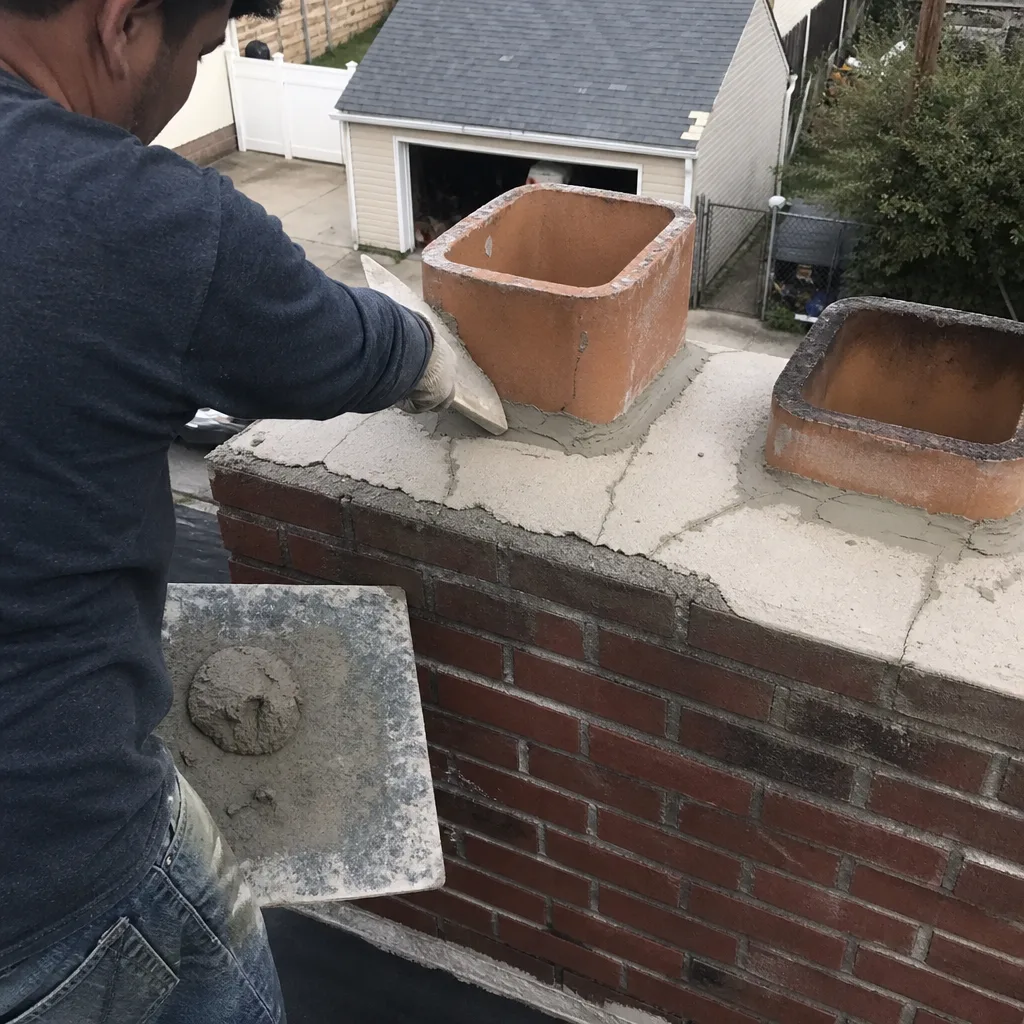
Wood and gas inserts are popular in Ridgewood because they turn a drafty original fireplace into a practical heat source. But an insert in an unlined or cracked clay flue is a fire risk, not an upgrade. Most insert jobs in the borough require a stainless steel liner pulled through the existing chimney, sized to the insert’s exhaust. We use DuraFlex liners and quote the liner as a line item, not a surprise add-on. We will not install an insert into a flue we would not show you on camera.
Damper Repair
Ridgewood’s original dampers are cast iron, and after 80 years many are warped, rusted, or simply no longer seat. A damper that will not close turns your fireplace into a chimney drafting conditioned air out of the house all winter. We repair and replace throat dampers, and we often recommend a top-sealing damper for older chimneys where the original casting is beyond saving. The fix is usually a few hundred dollars, and it stops a slow heat leak you will notice on your gas bill.
BeforeAfterTrusted Brands We Service in Ridgewood
We work across all major fireplace and venting brands, and we keep common replacement parts on the trucks serving Ridgewood so a repair does not turn into a two-week parts wait. Our crews routinely service and install components from Gelco, Olympia Chimney, and Famco, and we source through Haven’s buying network to keep parts pricing honest. If you have a specific brand of insert, gas log set, or damper assembly, tell us when you call and we can usually confirm parts coverage the same day.
Common Fireplace Services Problems We See in Ridgewood Homes

- Cracked and spalling clay flue liners. Ridgewood’s 1920s and 1930s Tudors and Colonials were built with terra-cotta liners, and the borough’s hard freeze-thaw cycles from November through March have opened cracks in most of them by now. A camera check is the only way to see how deep the damage runs.
- Dual-flue chimneys with one flue improperly capped or decommissioned. Many Ridgewood chimneys originally served both a fireplace and a coal or early oil furnace. Decades later, one flue is often capped at the top but still contains old creosote or debris sealed inside, which off-gases into the house.
- Converted-to-gas fireplaces venting into unlined flues. When a fireplace was converted from wood to gas mid-century, the original flue was rarely relined for gas exhaust. Acidic condensation from gas combustion corrodes clay liners and interior brick from the inside out.
- Firebox damage hiding behind a clean exterior. Spalling brick inside the firebox is common in Ridgewood homes because decades of heat cycling have broken down the masonry. A visual check from the living room will not show it. Our camera does.
Pricing for Fireplace Services in Ridgewood, NJ
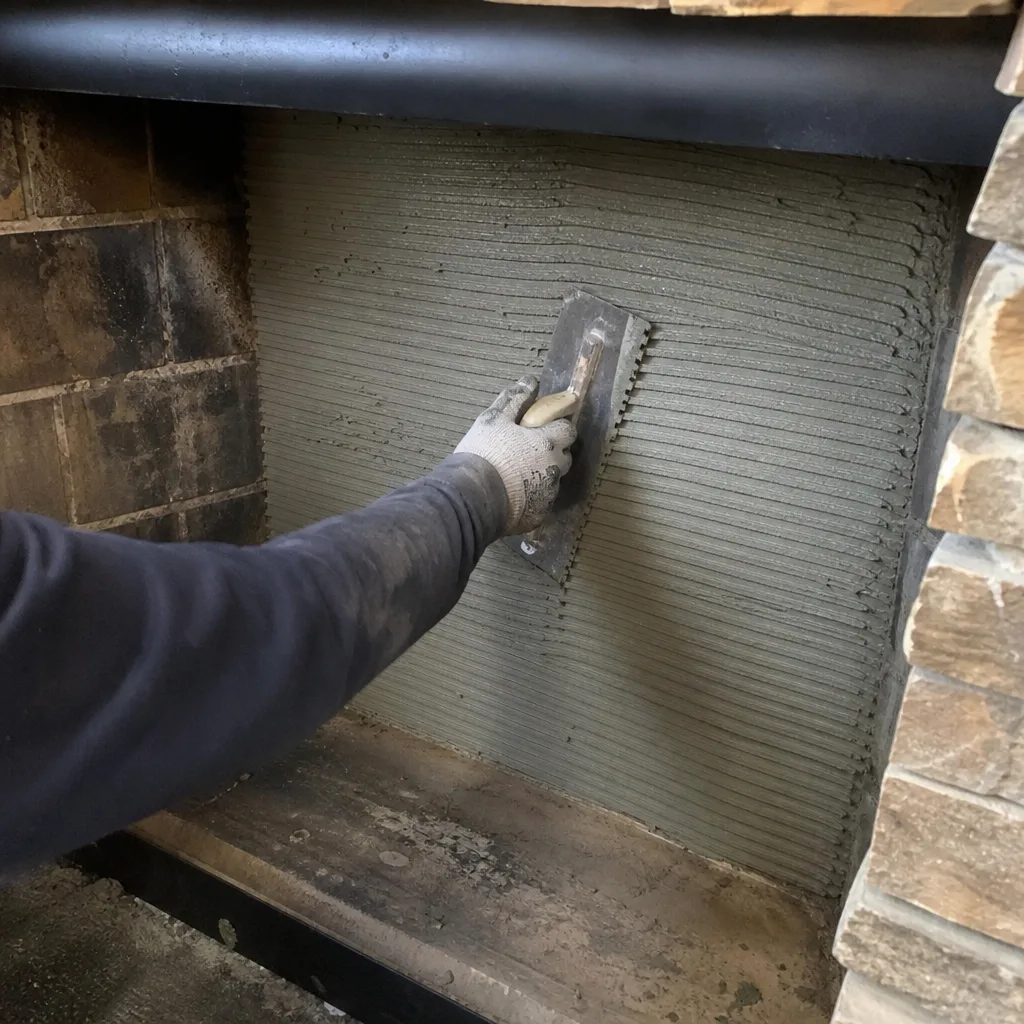
A standard fireplace cleaning and Level 2 camera inspection in Ridgewood runs $225 to $350 for a single flue. Gas fireplace service, including pilot, burner, glass, and log set, typically falls between $180 and $300. Damper repair or replacement runs $190 to $450 depending on whether it is a throat damper or a top-sealing unit. Firebox repair starts around $600 for minor spalling and rises with the size of the rebuild. A stainless steel liner for a wood insert usually lands between $2,800 and $5,500 depending on flue length and diameter. These are the ranges we quote in Ridgewood, and we put every number in writing before anyone touches your fireplace. Call (862) 356-5229 for an exact quote. Estimates are free, and we bring a camera on every visit.
We Also Serve Cities Near Ridgewood
We serve Fireplace Services in Ridgewood and the surrounding Bergen County communities where the same aging chimney stock shows up: Fair Lawn, Paramus, Elmwood Park, and Paterson. If you are just outside Ridgewood and want the same camera-first inspection, the same written price, and the same 365-Day Done Right Promise, call us. We will tell you directly whether we cover your street.
Serving Ridgewood, NJ - Our Local Coverage Area
We’re based in the Ridgewood area and know this community well. Use the map below to see our service coverage - if you’re nearby, we can almost certainly help.
FAQs - Fireplace Services in Ridgewood
Because Ridgewood’s 1920s and 1930s homes were built with terra-cotta clay flue liners, and northern Bergen County averages 45 to 50 inches of precipitation annually with hard freeze cycles from November through March. Water enters the chimney through deteriorated mortar joints, freezes and expands inside the clay liner’s pores, and over 80 to 100 winters that repeated stress cracks and spalls the liner from the inside. Most Ridgewood fireplace chimneys we inspect show at least hairline cracking, and a meaningful share show sections of liner that have broken away entirely. We will show you the footage before we recommend anything.
The capped flue is rarely cleaned before it is capped, which means creosote, ash, and sometimes coal soot remain sealed inside. That sealed-off flue can hold moisture and creosote deposits that slowly off-gas or degrade over time, and the capped flue is often not visible from the roof without close inspection. On a Tudor off Van Emburgh Avenue, our crew found exactly this: a fireplace flue sealed mid-century and a coal-to-oil flue abandoned when the home switched to gas. The homeowner had no idea the second flue was still carrying debris. We showed them the camera feed, then cleaned and documented both flues. Call us if you suspect a second flue was capped. We will check it as part of the standard service.
Almost always no. A wood insert produces higher flue temperatures and more creosote than an open fireplace, and the original clay liner in an 80 to 100-year-old Ridgewood chimney is rarely intact enough to handle that load safely. Most insert installations in the borough require a stainless steel liner, usually DuraFlex, pulled through the existing flue and sized to the insert. If a contractor tells you the insert can go straight into the old clay flue without a camera inspection first, that is the moment to ask to see the footage. We will not install an insert without showing you the camera record of the flue it will vent into.
Because in Ridgewood the damage usually happens together. The same freeze-thaw cycles that crack clay liners inside the chimney also erode the exterior mortar joints and cause spalling brick on the outside. When water gets through the exterior masonry, it reaches the liner and accelerates the interior deterioration. That is why our technicians flag both at the same cleaning appointment rather than sending you back and forth with two different companies. On the east side around Van Emburgh Avenue and the Schedler area, this combination is especially common because so many chimneys date to the 1920s and 1930s and have been exposed to the same weather for nearly a century.
You will know because the damper either will not open fully, will not stay open, or will not close tightly. A damper that is just dirty will usually operate smoothly after cleaning. A damper that is warped, rusted through, or has broken linkage needs repair or replacement. In many Ridgewood homes, the original cast iron damper is still in place after 80 years, and the metal has simply fatigued. We can tell you on-site which category yours falls into, and we will show you the condition of the damper before we quote a repair. Call (862) 356-5229 for a free estimate, and we will bring the camera.