
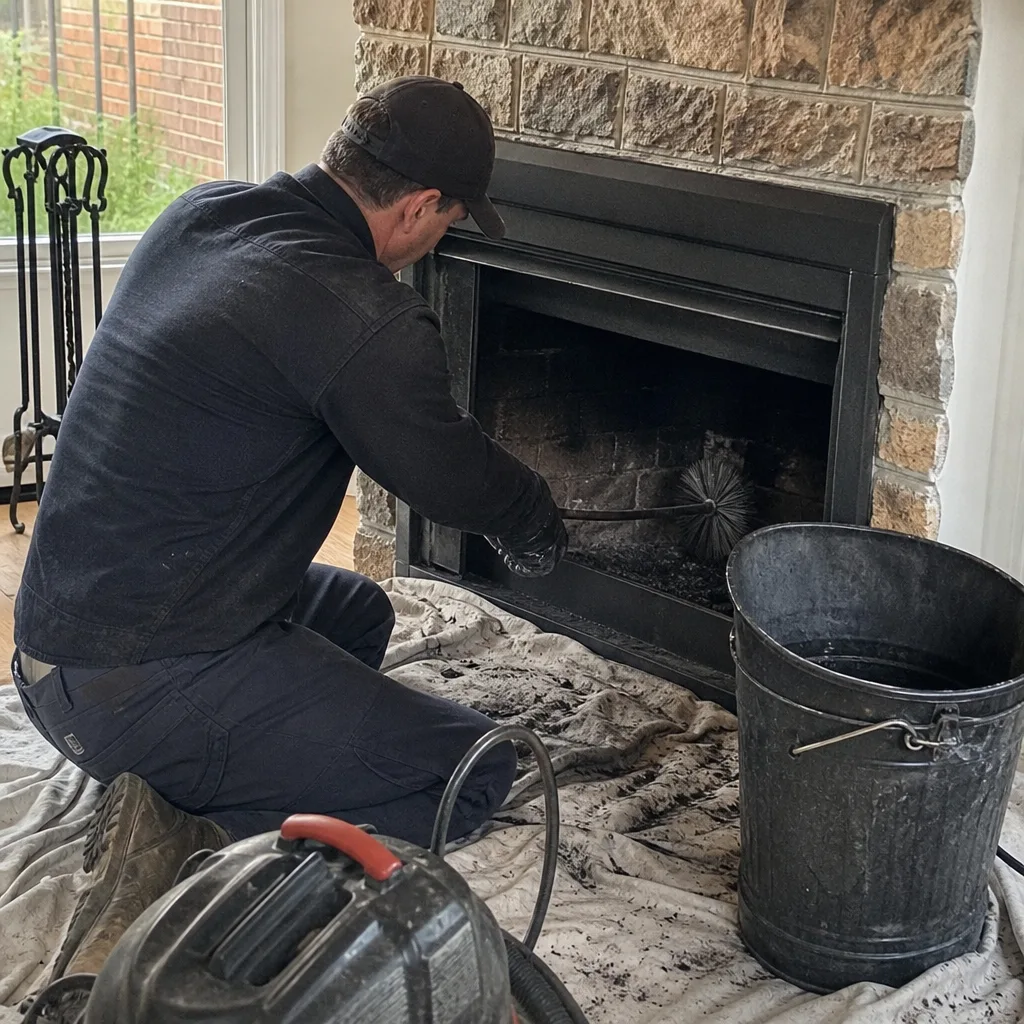
Level 1 sweep and inspection to the NFPA 211 annual standard - flue, crown, cap, and flashing checked and photographed
Chimney sweep logs do not sweep chimneys. They loosen some creosote - which then falls where a brush and vacuum still have to collect it.
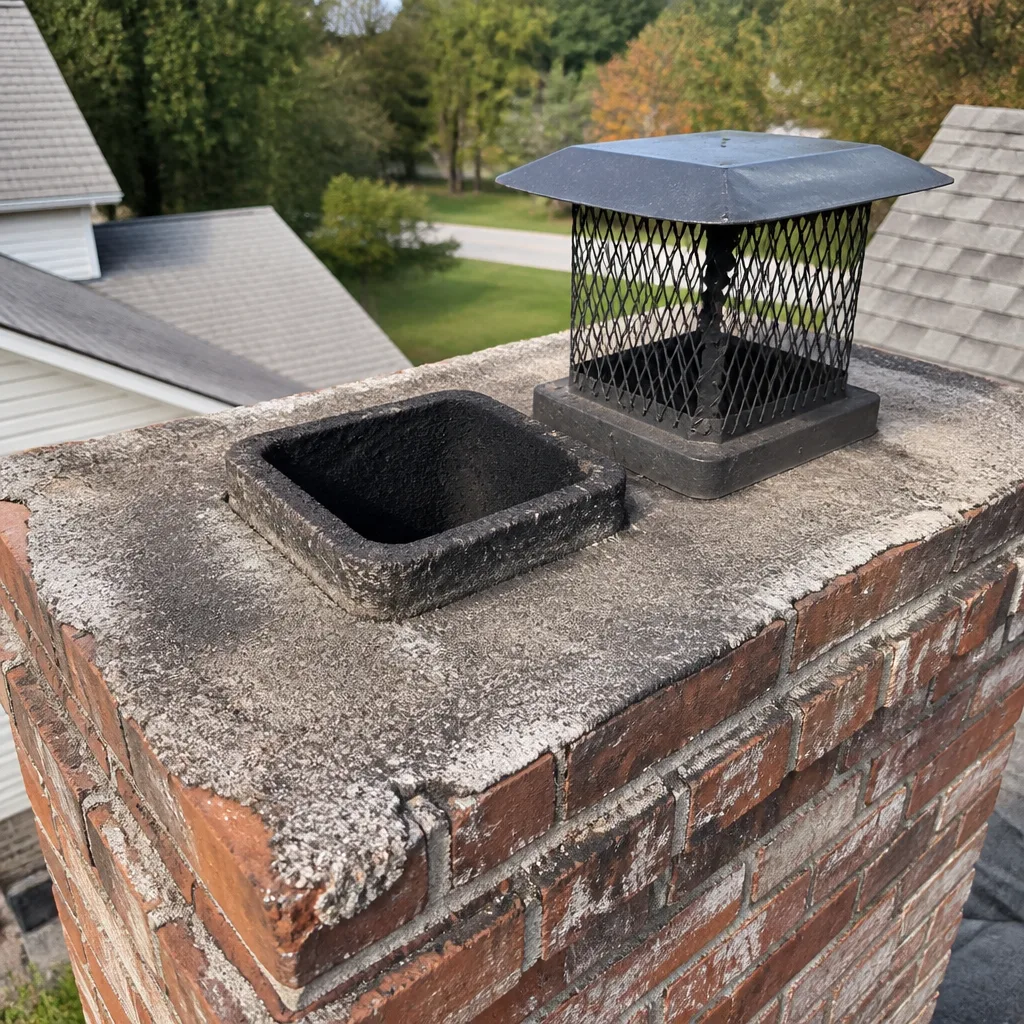
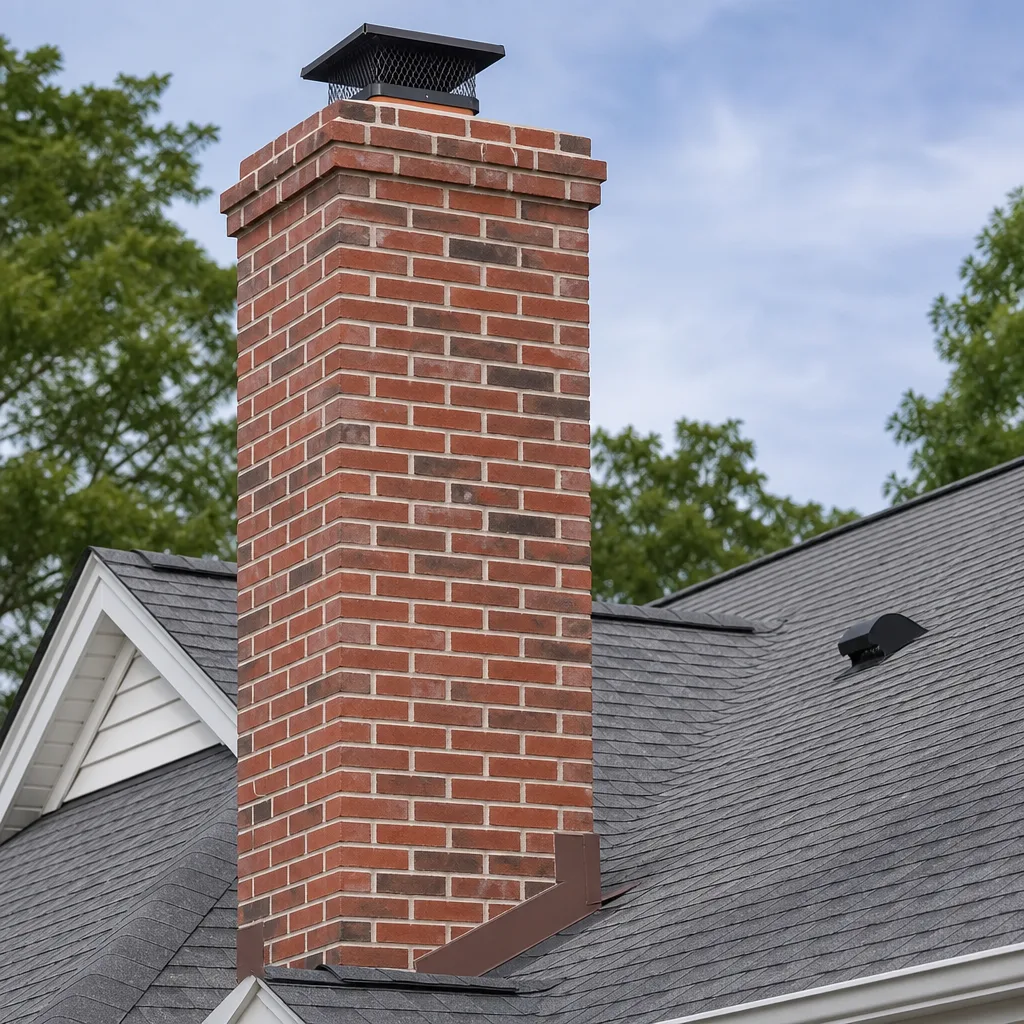
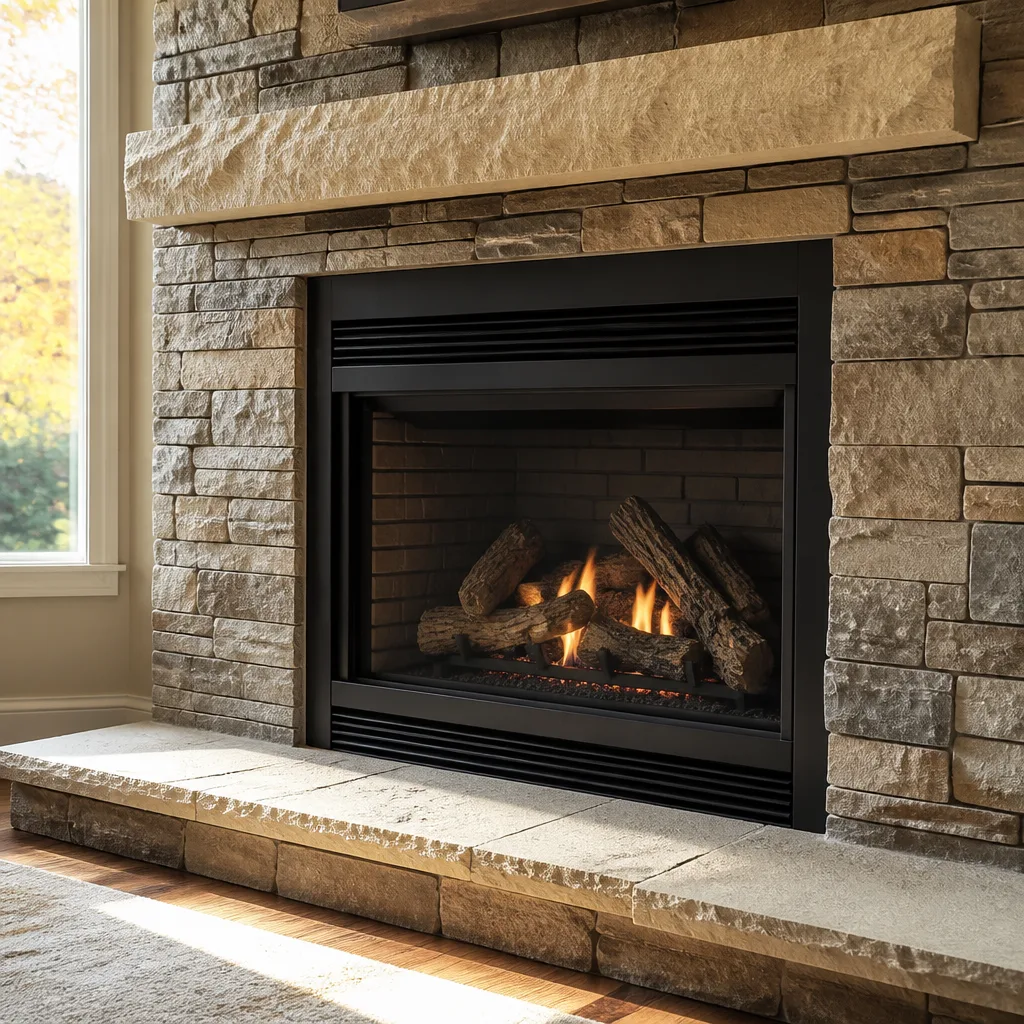
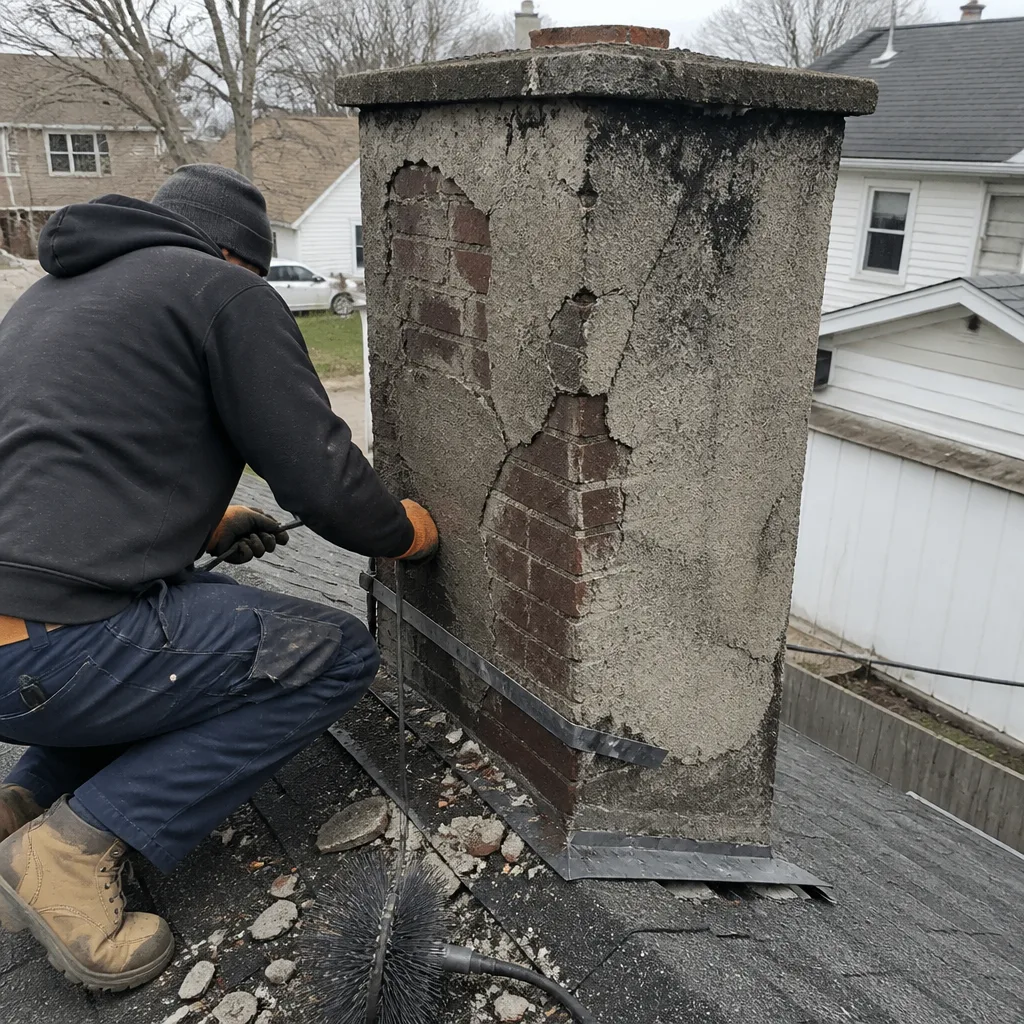 Before
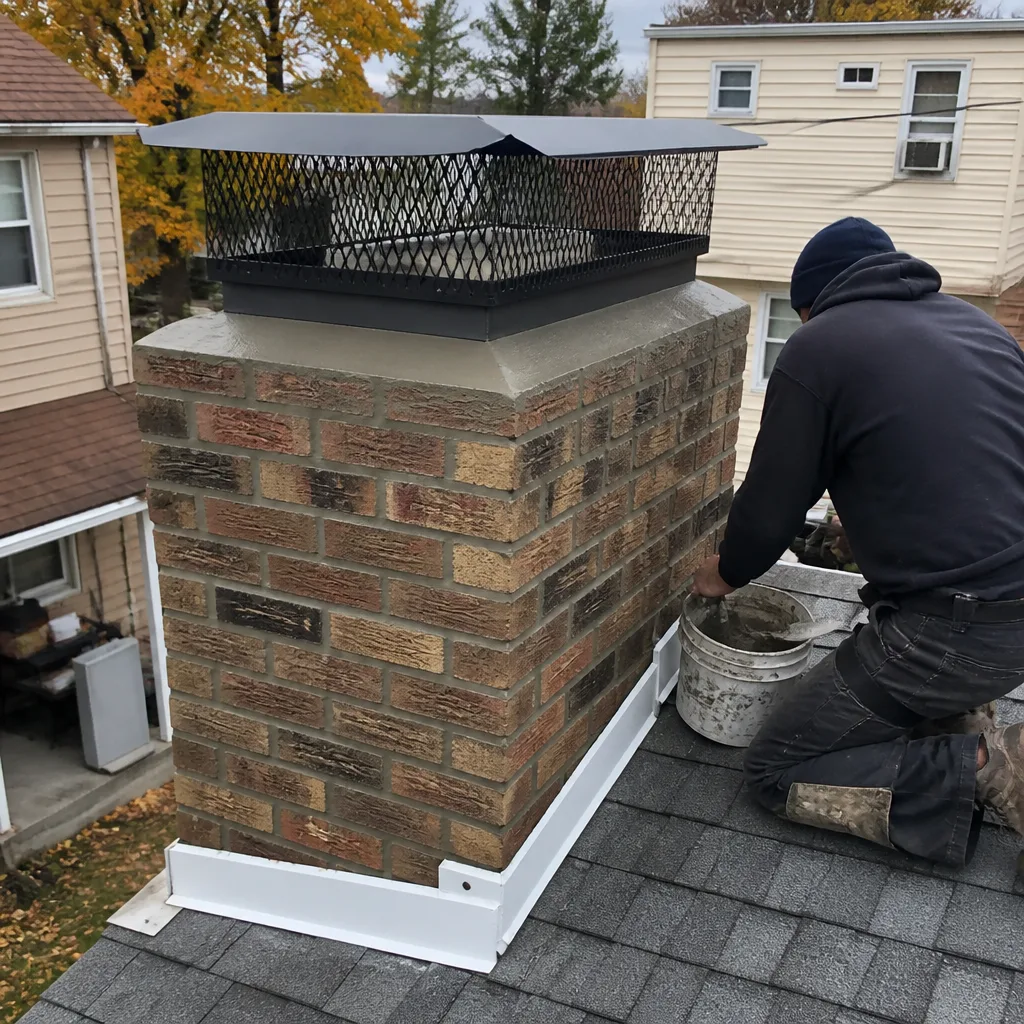 After
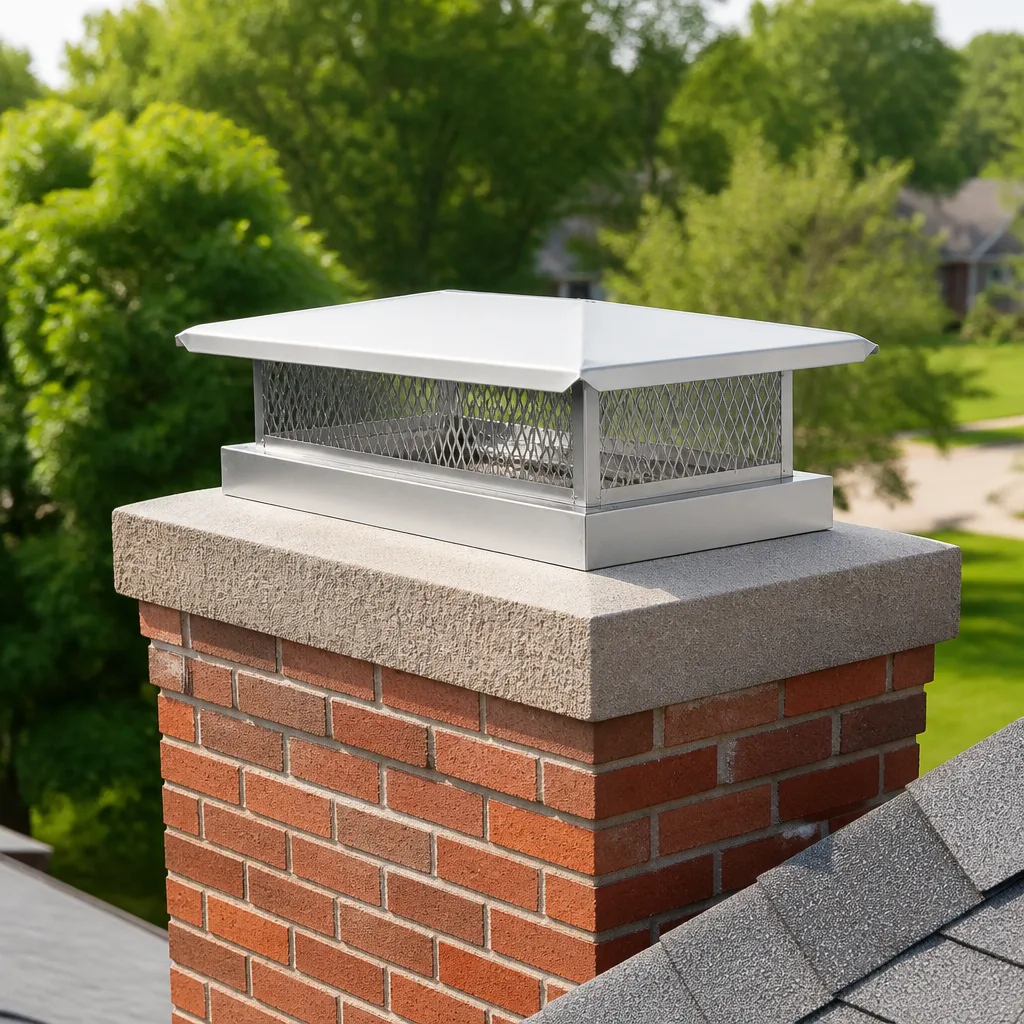
After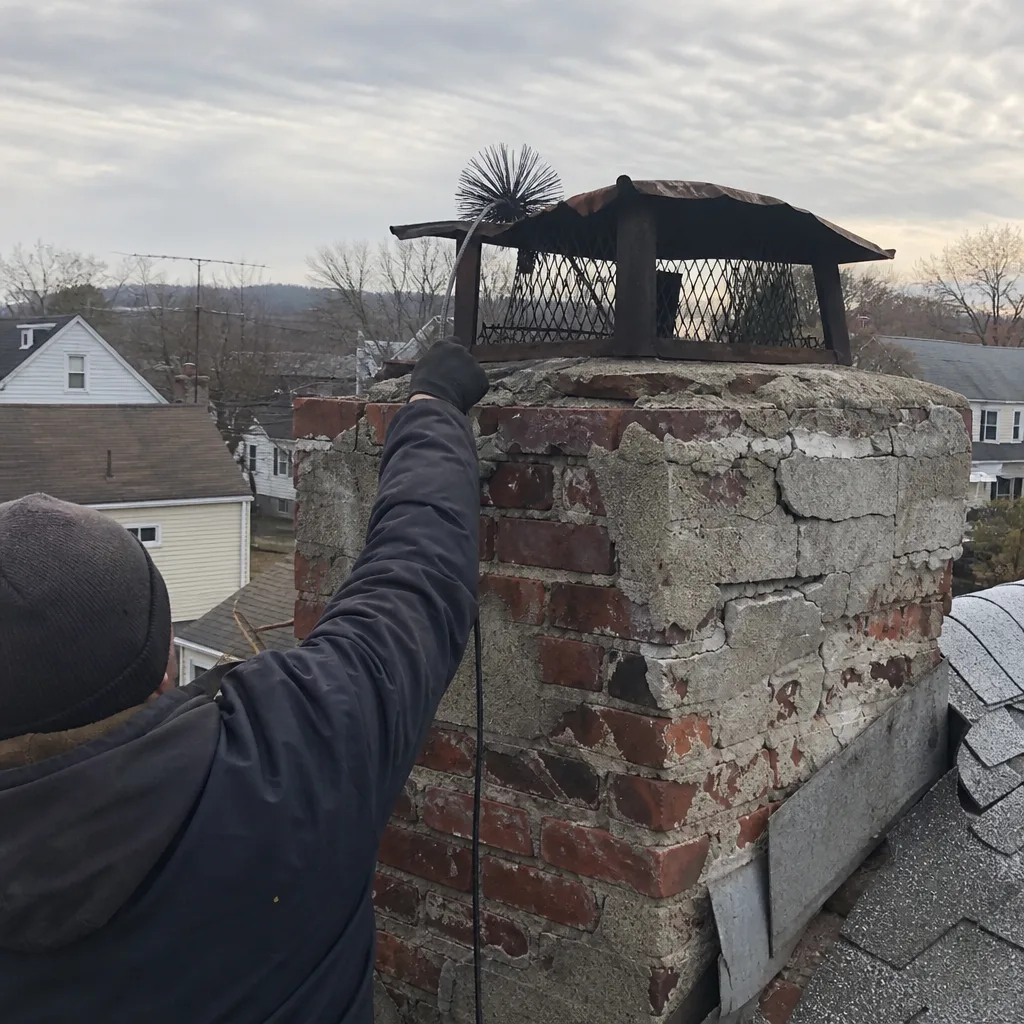 Before
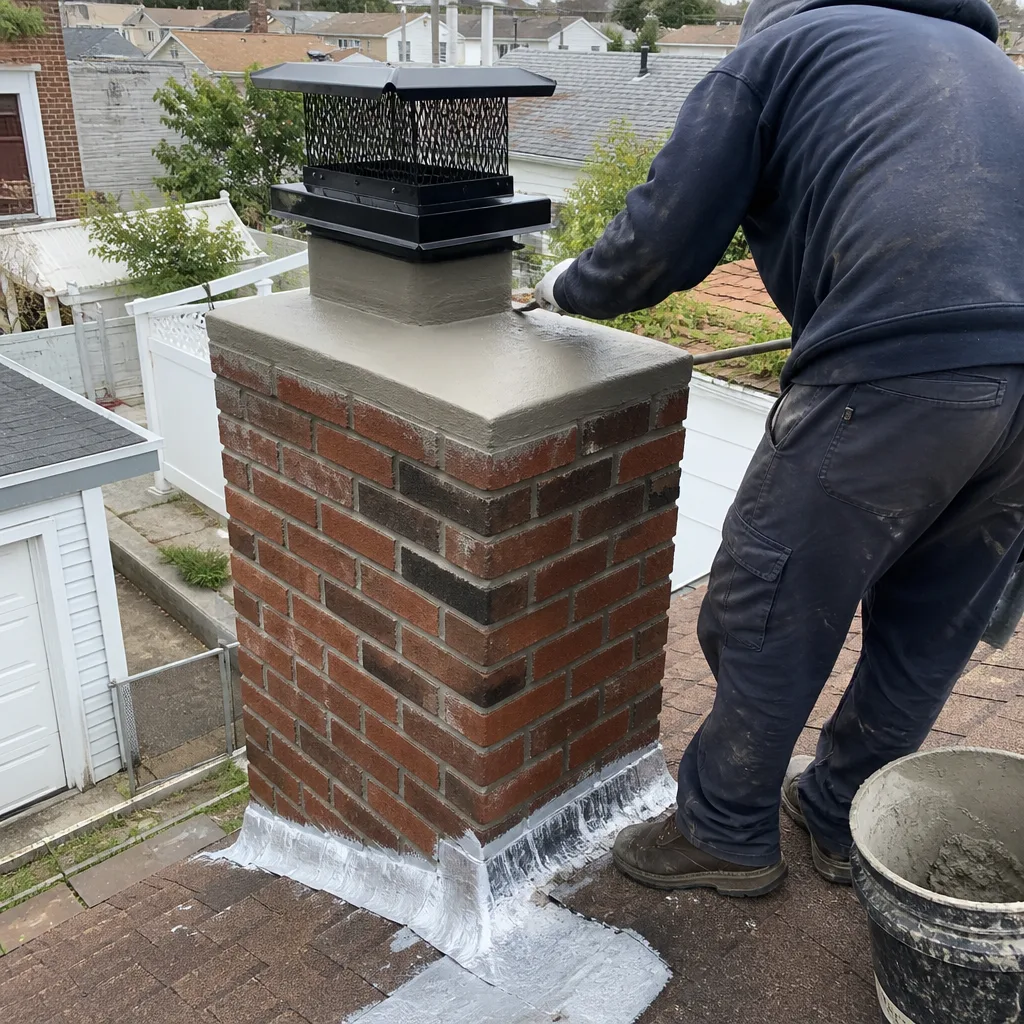 After
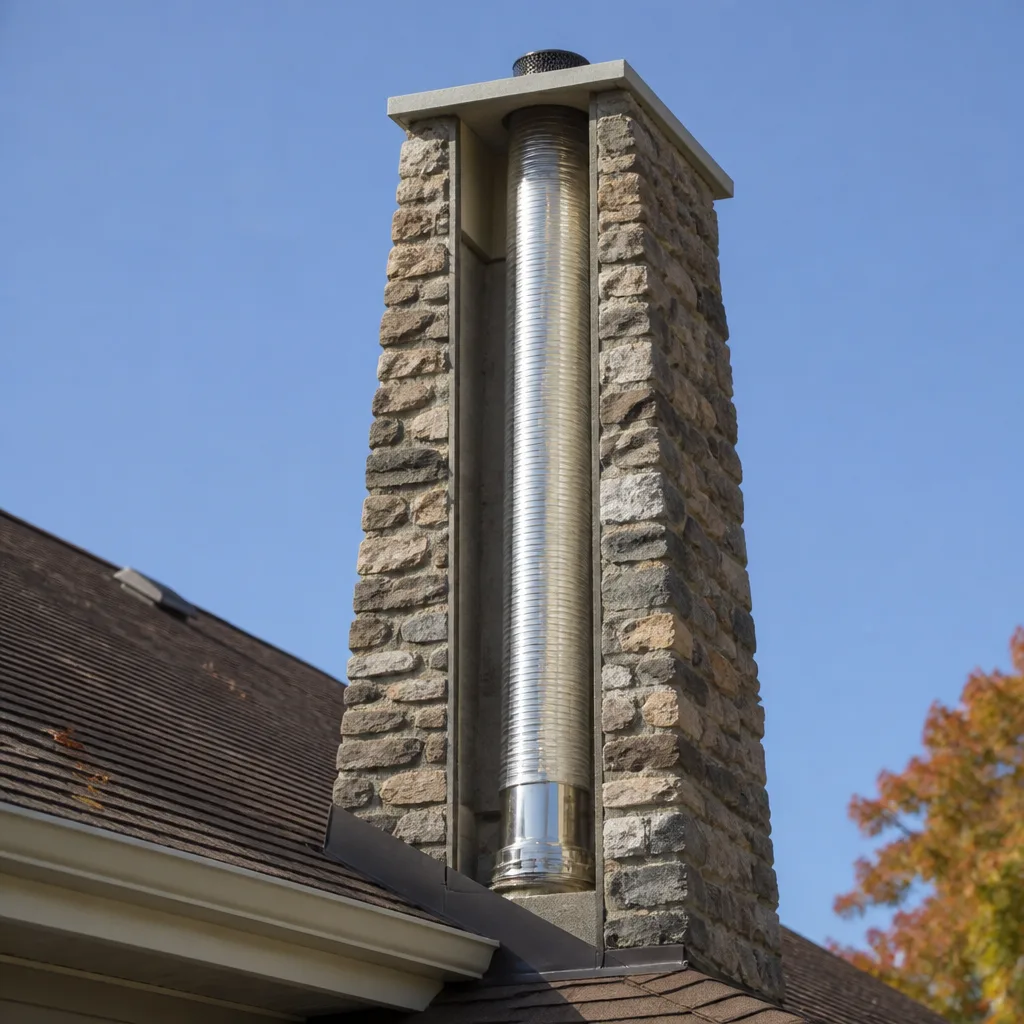
After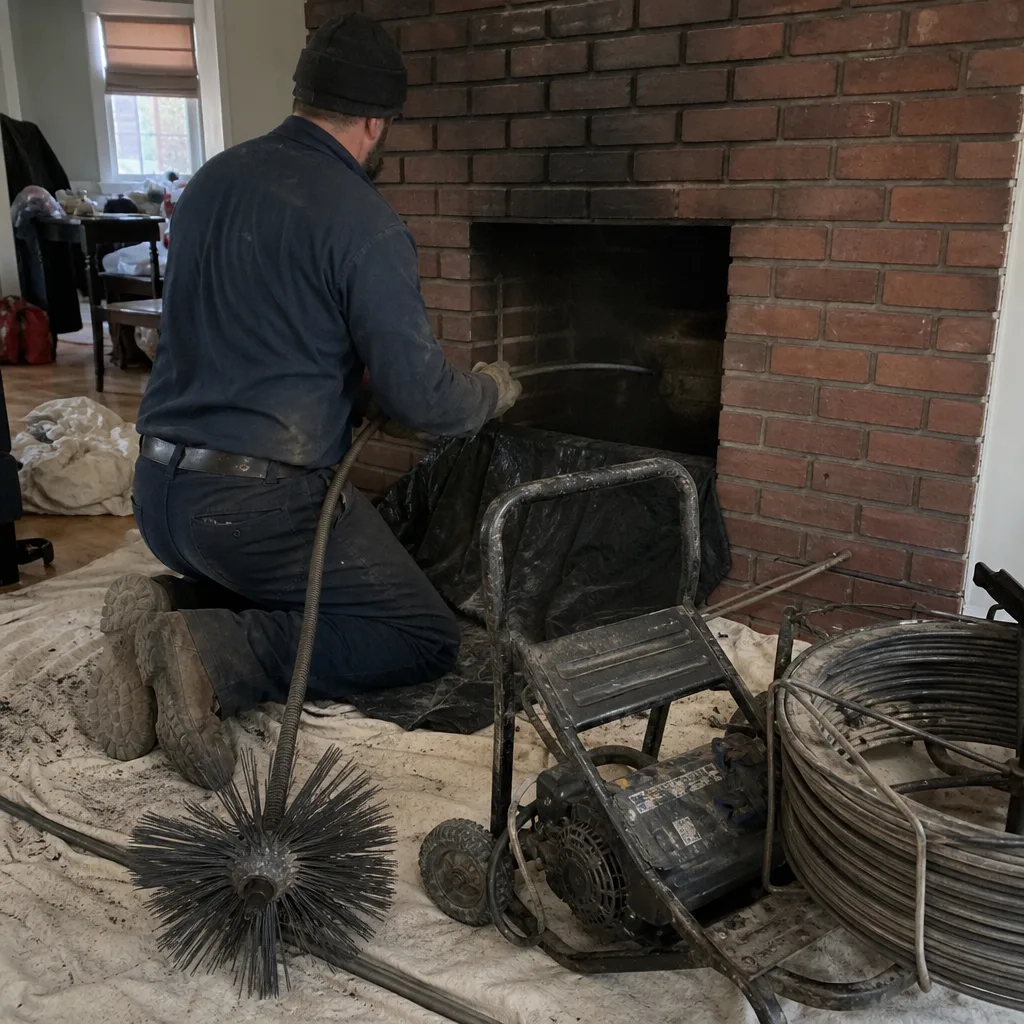 Before
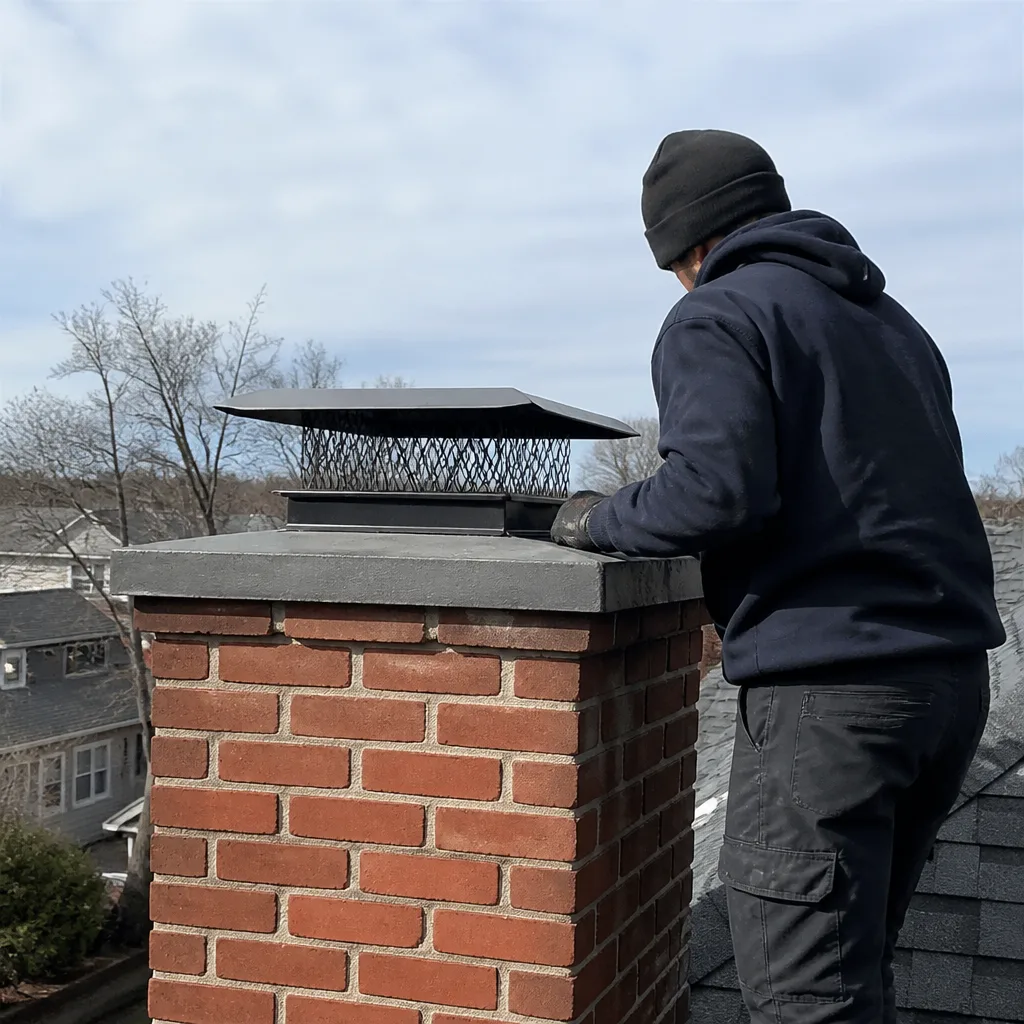 After
AfterCreosote Removal in Paterson, NJ
Creosote removal in Paterson typically runs $149 to $499, depending on how much creosote has built up and which stage it has reached. Most single-flue jobs with Class I or light Class II deposits are finished in one visit. Class III glazed creosote – the hard, shiny layer that bakes onto the flue liner – requires chemical treatment and additional sweeping and adds both time and cost.
Level Two Chimney Paterson has documented creosote in every stage across more than 38,000 Chimney Cleaning & Sweep services and inspections since 2009. Every visit starts with a camera scan down the flue so we can show you exactly what we found before anyone picks up a brush. That camera footage, a written price, and a written scope go to you before work starts – not after the technician is already inside your home. That’s not a policy we adopted recently; it’s been Clause 1 of the Haven Standard since day one.
If you’re ready to schedule or you want a number before you call, (862) 356-5229 reaches a live person right now, any hour of the day. And if this is your first time here, the Chimney Cleaning & Sweep in Paterson page gives you the full picture of what a cleaning visit covers from start to finish.
What Is Creosote and Why Does It Matter in Paterson?
Creosote is the tarry byproduct that condenses inside a flue whenever smoke cools faster than it should. In Paterson’s older housing stock – think the three-story colonials along Madison Avenue or the brick two-families off East 18th Street – you’ll often find flues that were sized for coal or wood stoves from the 1940s and are now running gas inserts or smaller modern wood appliances. That mismatch means slower draft, lower flue temperatures, and faster creosote accumulation than the original masonwork was designed to handle.
NFPA 211 breaks creosote into three classes. Class I is the dusty, flaky deposit that a standard sweep removes in about 30 minutes. Class II is the tar-like layer that hardens as it ages. Class III is the shiny, glazed material that bonds to the liner the way enamel bonds to cast iron – ordinary brushes won’t touch it, and a chimney fire can reach 2,000°F inside a flue that looks clean from the firebox. That’s the stage where serious structure damage, liner failure, and house fires become real possibilities, not statistical abstractions.
We mention this not to alarm you but because a lot of Paterson homeowners are told at an inspection that they have “some buildup” without being shown a photo or given a classification. That’s the part we do differently.
When You Need Creosote Removal
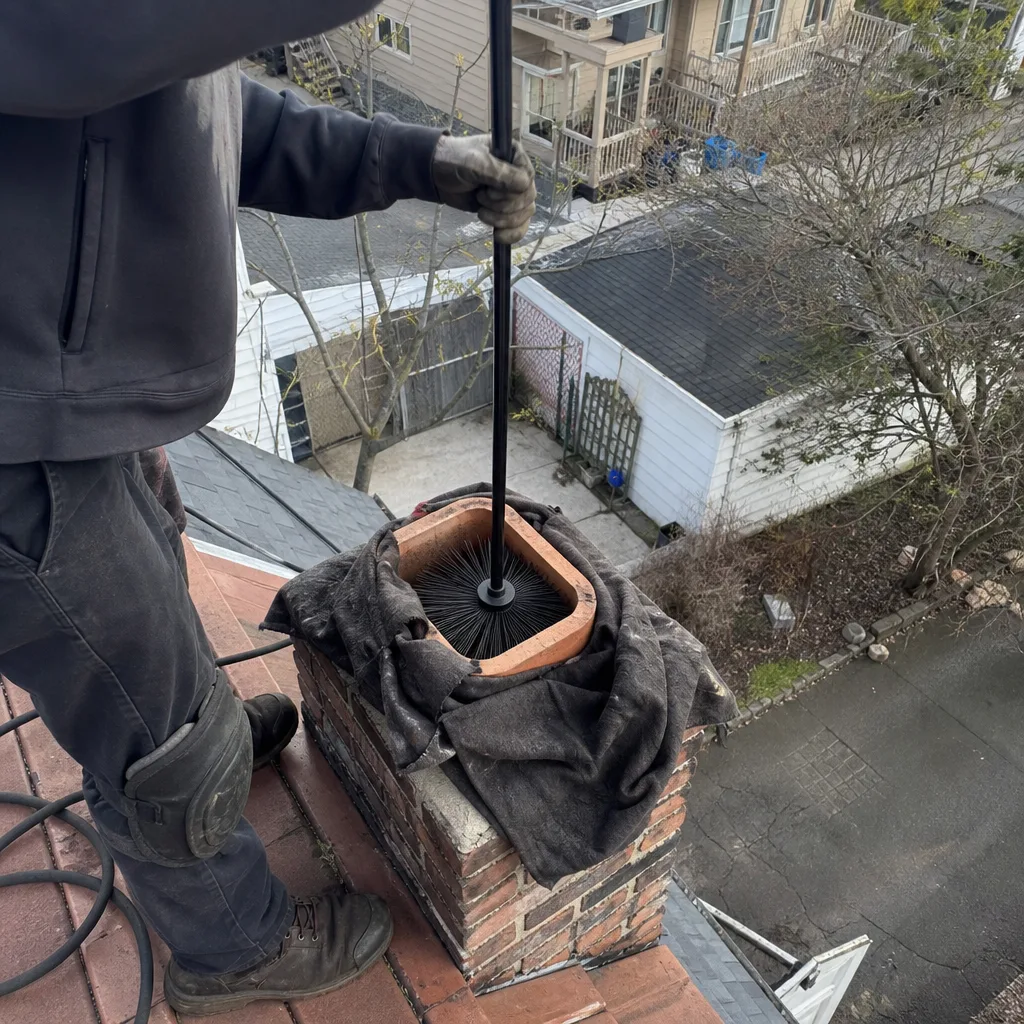
- You notice a smoky or acrid smell in the living area, even when the fireplace isn’t in use. Creosote off-gasses through the liner and into the room during warm, humid months – a pattern we see regularly in the Eastside and Hillcrest neighborhoods of Paterson where older homes have tighter flue-to-room ratios.
- The fireplace has been used three or more times since the last professional cleaning. NFPA 211 calls for inspection and cleaning at least once per year for any solid-fuel appliance, and more frequently with heavy use. One cord of seasoned firewood can deposit enough Class I creosote to warrant attention by mid-season.
- Your last “inspection” didn’t include a camera. A flashlight look from the firebox opening misses the upper smoke chamber and the liner above the smoke shelf – exactly where Class II and III deposits tend to form first. If no one ran a camera, the flue hasn’t really been inspected.
- You see oily black staining around the damper throat or on the smoke shelf. That’s liquefied creosote dripping back down – a reliable sign that Class II material is present higher up in the flue.
- You recently bought the home and have no cleaning records. We inspect a significant number of newly purchased homes in Paterson every year where the prior owner’s “recent sweep” turns out to be a decade old. Without documentation, the only safe assumption is that the flue needs both a camera scan and a cleaning.
- The fireplace produces a lot of smoke before it draws. Poor draft keeps flue gas temperatures low early in the burn, which is exactly when the most creosote condenses. If startup is always smoky, creosote buildup is both a likely cause and a likely consequence.
BeforeAfterOur Creosote Removal Process
- Camera scan and Class determination before we touch anything. A Level 2 inspection camera goes down the flue. You see the same footage we see – on a screen, in real time. We name the creosote class out loud and write it on the scope document. Clause 4 of the Haven Standard requires a documented photo record on every job, and that record starts here.
- Written price and written scope, delivered before work begins. The camera footage tells us what tools and products the job actually needs. For Class I, that’s rotary brushes and a HEPA-filtered vacuum. For Class II, we add specialized scrapers and a commercial-grade brush system. For Class III, we apply a chemical deglaciant – typically a product sourced through our Copperfield or Olympia Chimney supply channels – let it cure, and return for a second sweep. All of that goes on paper, with a price, before anyone picks up a tool.
- Fireplace and floor protection set up. Drop cloths cover the hearth and the surrounding floor. A negative-pressure vacuum seal attaches at the firebox opening. Nothing comes into the room that isn’t supposed to.
- Mechanical removal with rotary equipment. Our technician works top-down for Class I and II jobs, running rotary brushes through the flue and vacuuming as the debris falls. For glazed Class III deposits, the chemical deglaciant has already converted the shiny layer into a friable crust by the time the brush runs – this is the part that makes Class III a multi-stage job rather than a one-visit fix.
- Post-removal camera scan to confirm the result. We run the camera a second time after cleaning. You see before and after footage side by side. If the flue liner shows cracks, spalling, or mortar joint failure that the creosote was hiding, we document it and explain what it means. We don’t pressure you to schedule repairs on the spot; we give you the written record and let you decide.
- Written summary and photo record handed to you on completion. Every Paterson job closes with a written condition report, the before-and-after camera photos, and the signed scope documenting what was done. That file matters for homeowner’s insurance, resale disclosures, and your own records.
Creosote Removal Pricing in Paterson
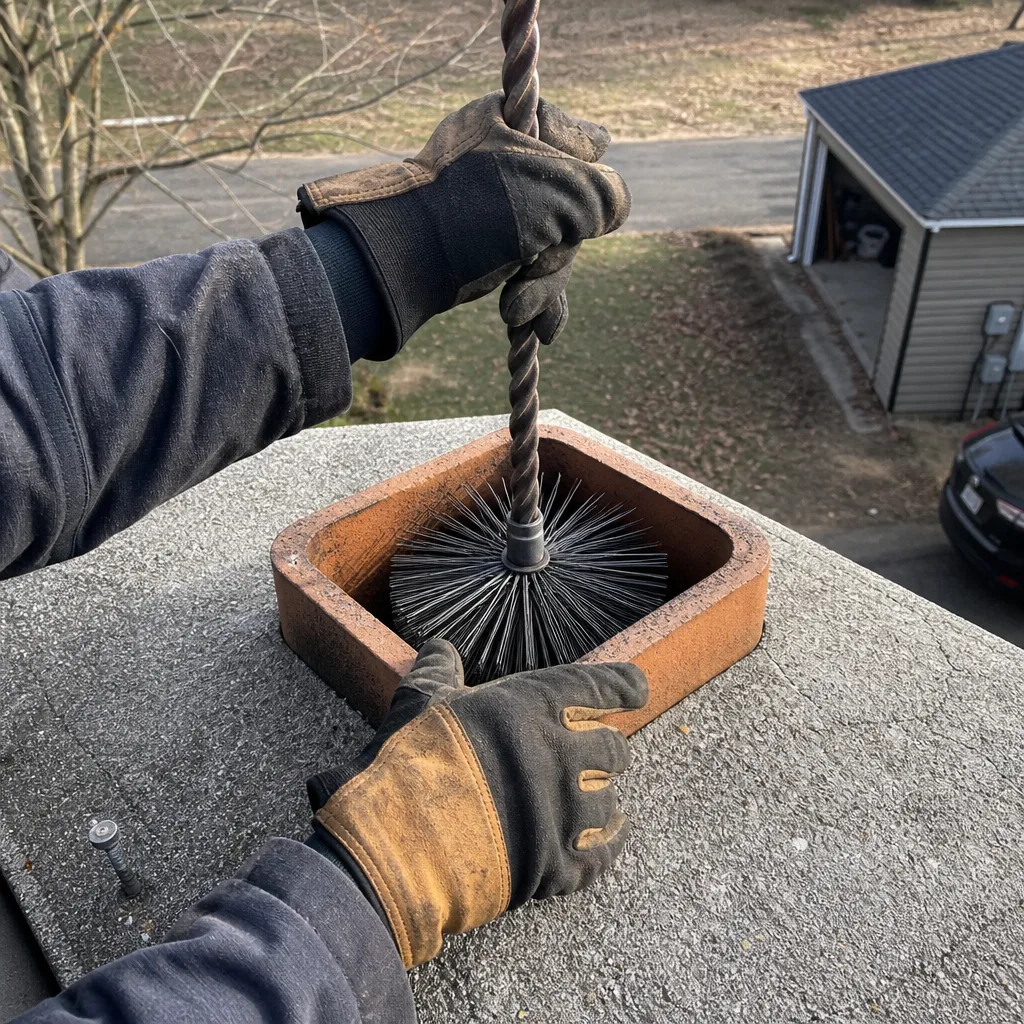
Creosote removal in Paterson costs $149 to $499 for most residential flues. Here’s how the range breaks down:
| Creosote Class | Typical Price Range | Notes |
|---|---|---|
| Class I (light, flaky deposits) | $149 – $229 | Standard sweep; usually one visit; included in most annual cleaning jobs |
| Class II (tar-like, moderate buildup) | $229 – $349 | Heavier mechanical removal; may require a second pass |
| Class III (glazed, bonded to liner) | $349 – $499+ | Chemical deglaciant application plus follow-up sweep; two-visit minimum |
A few things move the price within those ranges. Flue height and diameter matter – a four-story row house in Paterson’s Fourth Ward has a considerably longer flue run than a 1,200-square-foot ranch. Access to the top of the chimney affects labor time. And if the camera scan turns up a damaged liner or deteriorated smoke chamber that needs attention before the flue is safe to use, we’ll document it separately on the scope with its own price line.
What does not change regardless of job size: the written price comes before work starts. Always. If you have a written estimate from another company, bring it. We’ll give you a free second opinion and match it line for line against our scope.
To get your number, call (862) 356-5229. There’s no voicemail – a live person answers, 24 hours a day, 7 days a week. Estimates are free and the price we quote is the price on the invoice.
The Safety Piece – Class III Creosote Specifically
We’d be doing a disservice if we didn’t say this plainly: Class III creosote removal is not a DIY project. The glazed material is highly flammable, it bonds to the liner at a molecular level, and the chemical deglaciants that convert it to a removable crust are corrosive compounds that require handling knowledge and proper ventilation. A chimney fire in a flue with heavy glazed creosote can reach temperatures that crack terra cotta liners, buckle metal inserts, and ignite adjacent wood framing – all while looking unremarkable from outside the house.
If you’re seeing the signs described above – oily staining around the damper, acrid odors in the living area, or a flue that hasn’t been properly inspected in years – please don’t run a fire until a camera has confirmed what’s in that liner. That’s not urgency theatre. It’s the honest advice any trained sweep would give you.
Why Paterson Homeowners Work With Level Two
Paterson’s housing stock skews older than most of Passaic County. The city’s building permits trace a lot of the residential construction to the 1920s through 1960s, which means many flues are running appliances they weren’t originally sized for. A chimney built for a coal-burning furnace has different draft dynamics than one servicing a gas-log insert or a modern wood stove. Those mismatches produce faster creosote accumulation and, in some cases, condensation problems in the upper flue that accelerate Class II progression.
Since 2009, we’ve inspected and cleaned more than 38,000 chimneys across northern New Jersey. Paterson has been part of that territory from the beginning. We know which neighborhoods have taller flue runs, which building types tend to have undersized liners, and where the older oil-to-gas conversions left abandoned flue tiles that now create bypass airflow problems.
That local pattern recognition changes how we read a camera scan. A sweep who’s worked Paterson regularly is going to notice things that a generalist technician driving in from two counties away might not flag. And because Clause 4 of the Haven Standard requires a documented photo record on every visit, that knowledge is in writing when we leave – not just in someone’s memory.
Background-checked, uniformed technicians. A named tech assigned to your job. A text when they’re on the way. That’s what every Level Two visit looks like in Paterson, and it’s been that way since we opened. You can read more about the full scope of what a cleaning visit covers on the home page.
FAQs – Creosote Removal in Paterson
How much does creosote removal cost in Paterson, NJ?
Creosote removal in Paterson costs between $149 and $499 for most residential jobs. Class I removal – the standard dusty buildup – typically falls in the $149-$229 range and is usually handled in a single visit. Class III glazed creosote, which requires a chemical deglaciant and a return sweep, runs $349-$499 and up. Your written price is delivered before work starts, based on what the camera scan shows. Call (862) 356-5229 for a free estimate – a live person answers every call.
Can creosote removal be done in one visit?
Class I and most Class II jobs are completed in a single visit, typically 60 to 90 minutes for a standard residential flue in Paterson. Class III glazed creosote is a two-visit process: the deglaciant is applied on the first visit, allowed to cure and convert the hardened layer, and then the loosened material is swept out on the second visit. We’ll tell you exactly which class you’re dealing with after the camera scan, before you commit to anything.
Is creosote removal the same thing as a chimney sweep?
A standard chimney sweep addresses Class I creosote – the loose, flaky deposits that accumulate with normal use. Creosote removal, as a distinct service, refers to the more involved work required when Class II or Class III deposits are present. Class III removal specifically requires chemical treatment that isn’t part of a routine sweep. The Level 2 Inspection at the start of every visit determines which service your flue actually needs, and the scope document names it in plain terms.
How often should I have creosote removed if I use my fireplace regularly in Paterson?
NFPA 211 recommends inspection and cleaning at least once per year for any solid-fuel burning appliance. For Paterson homeowners who burn wood regularly – more than two or three fires per week through the heating season – a mid-season inspection is worth considering. Older flues in Paterson’s pre-war housing stock tend to run cooler than modern designed flues, which means creosote accumulates faster. A Level 1 Inspection with camera scan once a year gives you a documented baseline and catches Class II progression before it becomes Class III.
Written by Corrine Halstead, Owner at Level Two Chimney Paterson, serving Paterson.